What Causes Condensation on Your Windows?
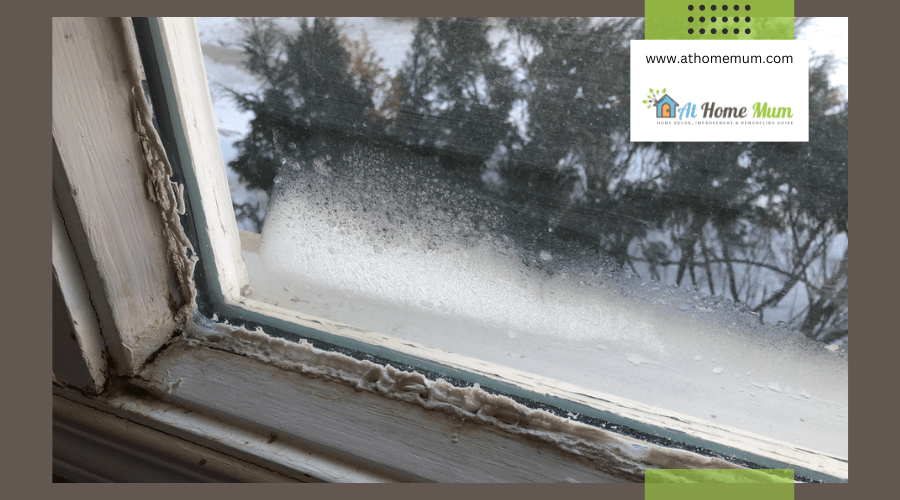
While many homeowners are familiar with the sight of foggy windows, understanding the science behind window condensation is essential for addressing this common issue. The primary cause of window condensation is the interaction between warm, moist indoor air and the colder surface of your windows. As humid air comes into contact with the cold glass, it cools and releases moisture, forming water droplets on the window's surface.
Your daily activities, such as cooking, showering, and even breathing, contribute to increased indoor humidity levels. This excess moisture can lead to more frequent and severe condensation on your windows. Additionally, vapor pressure can force moisture through building materials like plaster and wood, further exacerbating the problem. Proper ventilation to reduce moisture and odors can help mitigate this issue.
Modern energy-efficient construction techniques, while beneficial for reducing heat loss, can inadvertently increase indoor humidity levels. This is because tighter building envelopes reduce air leakage, trapping moisture inside your home. Improved insulation to prevent air leaks can also contribute to this problem. Seasonal temperature changes also play a role, as they can cause dew to form on the outside of windows, adding to the condensation issue. Understanding these factors is necessary for effectively managing window condensation in your home.
View this post on Instagram
Four main sources contribute to indoor humidity levels in your home. First, everyday activities like cooking, showering, and even breathing release water vapor into the air. Without proper ventilation, this moisture accumulates inside, leading to higher humidity levels and potential condensation on windows. Second, appliances such as clothes dryers and humidifiers can dramatically increase indoor moisture. Be sure to vent these properly to prevent excess humidity. Third, your home's structure plays a role. Older homes with poor insulation and air sealing are more susceptible to humidity buildup, as they allow more moisture to enter from outside. Lastly, seasonal temperature changes affect indoor humidity. As the difference between indoor and outdoor temperatures increases, so does the likelihood of condensation forming on your window surface. To combat excess moisture and reduce condensation on windows, improve air circulation throughout your home. Use kitchen and bathroom fans to expel humid air, and consider investing in a dehumidifier for problem areas. Properly maintaining your home's insulation and sealing can also help control indoor humidity levels, keeping your windows clear and your living space comfortable. Understanding the relationship between temperature differences and dew point is essential in explaining window condensation. When warm, humid indoor air comes into contact with cold surfaces like window glass, condensation occurs. This happens because the window surface is cooler than the dew point of the indoor air. The dew point is the temperature at which air becomes saturated with water vapor, causing it to condense. As the difference between your indoor air temperature and the window surface temperature increases, you're more likely to see condensation forming. This is especially true during colder months when it's cold outside, creating a larger temperature gap. Wooden floors do not qualify as waterproof, which can impact the overall insulation properties of a building and contribute to window condensation. Your window type plays a pivotal role in this process. Single-pane or older windows tend to have lower surface temperatures, making them more susceptible to condensation compared to new windows with double-glazing. The efficiency of your windows affects how well they insulate against outdoor temperatures, impacting their surface temperature and likelihood of condensation. To reduce condensation, you can control indoor humidity levels, improve ventilation, and consider upgrading to more energy-efficient windows. By understanding these factors, you can better manage and prevent window condensation in your home. Proper ventilation and air circulation play an essential role in preventing condensation on your windows. When your home lacks adequate airflow, warm, humid air can build up and settle on cold window surfaces, leading to condensation. This issue is particularly common in areas prone to moisture, like bathrooms and kitchens. To combat this problem, you'll need to improve your home's ventilation. Start by using exhaust fans in high-humidity areas to expel moist air. Opening windows periodically can also help refresh the air inside your home. Additionally, use fans to circulate air throughout your living spaces, preventing stagnant pockets of humid air from forming. Using ceiling fans in a counter-clockwise direction at a high speed can help draw up cool air. Don't forget about insulation and air sealing. Properly insulated walls and sealed air leaks around windows can prevent warm, moist air from reaching cold window surfaces. This step not only reduces condensation but also improves your home's energy efficiency. Insulation and energy efficiency are essential factors in preventing window condensation. When your home lacks proper insulation, heat escapes through windows, causing their surfaces to become cold. As humid air comes into contact with these cold surfaces, it condenses, leading to moisture build-up. To reduce condensation, you'll want to focus on improving your home's insulation and energy efficiency. Start by upgrading to new, energy-efficient windows with double or triple glazing. These windows help maintain warmer surface temperatures, preventing them from becoming colder than the dew point of the surrounding air. Don't forget about your walls, ceilings, and floors. Proper insulation in these areas prevents heat from escaping, keeping your windows warmer and less prone to condensation, especially during the colder months. While airtight construction techniques can improve energy efficiency, they may trap moisture inside your home. To combat this, guarantee you have adequate ventilation to allow humid air to depart. By combining proper insulation, energy-efficient windows, and effective ventilation, you'll substantially reduce the likelihood of window condensation and improve your home's overall thermal performance. Seasonal weather patterns play a significant role in window condensation. Throughout the year, you'll notice changes in how moisture collects on your windows. In winter, when it's colder outside, condensation often occurs when warm, moist air inside your home comes into contact with the chilly glass surface. During summer, you might see condensation on the exterior of your windows as humid air meets the cooler glass. Dramatic temperature swings between seasons can exacerbate condensation problems, as your windows struggle to maintain an ideal temperature balance. Additionally, increased rainfall or snowfall can contribute to fluctuating humidity levels both inside and outside your home. By understanding how seasonal weather patterns affect condensation, you can take proactive measures to keep your windows clear and your home comfortable year-round. To effectively prevent and manage window condensation, you'll need to implement a combination of strategies. It's important to understand that condensation occurs when warm, moist air meets a cooler surface, causing water vapor to turn into water droplets. In new construction or older homes, you can reduce air moisture by maintaining indoor humidity levels between 30-50%. Ensure proper ventilation by using exhaust fans in bathrooms and kitchens, and open windows when outdoor conditions permit. This helps remove excess moisture from the air, even from activities like cooking and breathing. Seal any air leaks around windows and consider upgrading to energy-efficient windows to improve insulation and reduce temperature differences. Not all windows are affected by condensation in the same way. Single-pane windows are more prone to moisture buildup because they provide little insulation between the indoor and outdoor temperatures. Double-pane and triple-pane windows contain insulating gas layers that help maintain a more stable interior surface temperature, reducing the likelihood of condensation. Older or poorly sealed windows can also contribute to condensation problems. If the seal on a double-pane window fails, moisture can get trapped between the panes, creating a permanent foggy appearance. This usually indicates a broken seal that needs professional repair or window replacement. Keeping moisture under control prevents long-term damage to windows, walls, and furniture. By understanding what causes condensation and taking simple steps to reduce it, homeowners can maintain a comfortable indoor environment while protecting their property. With the right balance of ventilation, insulation, and humidity control, condensation can be managed effectively, keeping windows clear and homes in top condition.Indoor Humidity Sources
Temperature Differences and Dew Point
Ventilation and Air Circulation
Insulation and Energy Efficiency
Seasonal Weather Patterns
Prevention and Management Strategies
The Type of Windows Matters
Wrapping Up