Should You Repair or Replace Your Doors and Door Frames?
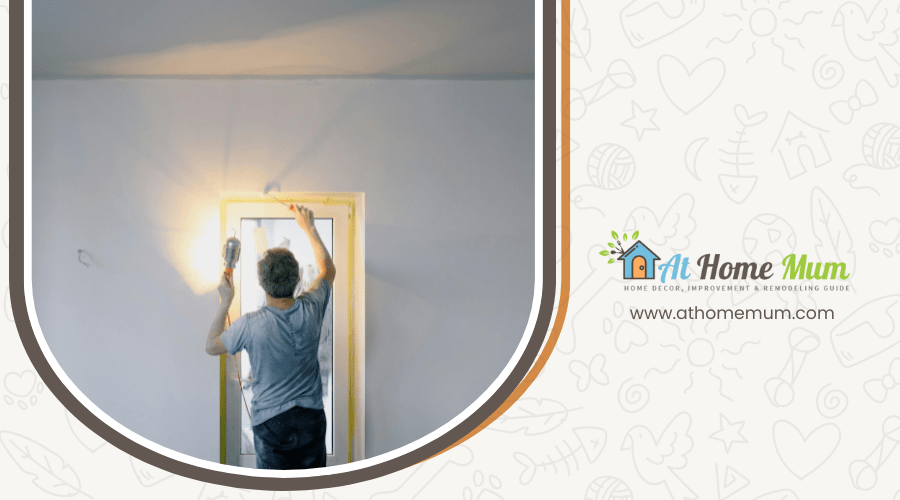
Doors and door frames are essential parts of any home or building. Over time, they can wear out, become damaged, or start to show signs of age. Deciding if you should repair or replace them depends on factors like the condition, cost, and purpose of the door. Read on as discuss these factors and solutions for repairing damaged doors and door frames.
Signs of Door and Frame Damage
Damage to doors and frames is often easy to spot if you know what to look for. Identifying the signs early can help you decide on the best course of action. Here are some common signs to watch for:
- Visible Cracks or Splits: These can weaken the structure and affect the door’s functionality.
- Difficulty Opening or Closing: This may indicate warping, swelling, or misalignment of the frame.
- Gaps Around the Edges: Gaps can allow drafts or pests to enter and suggest the door no longer fits properly.
- Peeling Paint or Finish: This might point to water damage or general wear over time.
- Loose or Squeaky Hinges: Worn hinges can cause misalignment and lead to further issues.
- Rot or Decay: Wooden doors and frames are especially prone to this, particularly in damp environments.
- Dents or Scratches: These are often cosmetic but can sometimes weaken the structure if severe.
Noticing these signs early allows you to address the issue before it worsens.
Considerations for Repairing or Replacing Doors and Frames
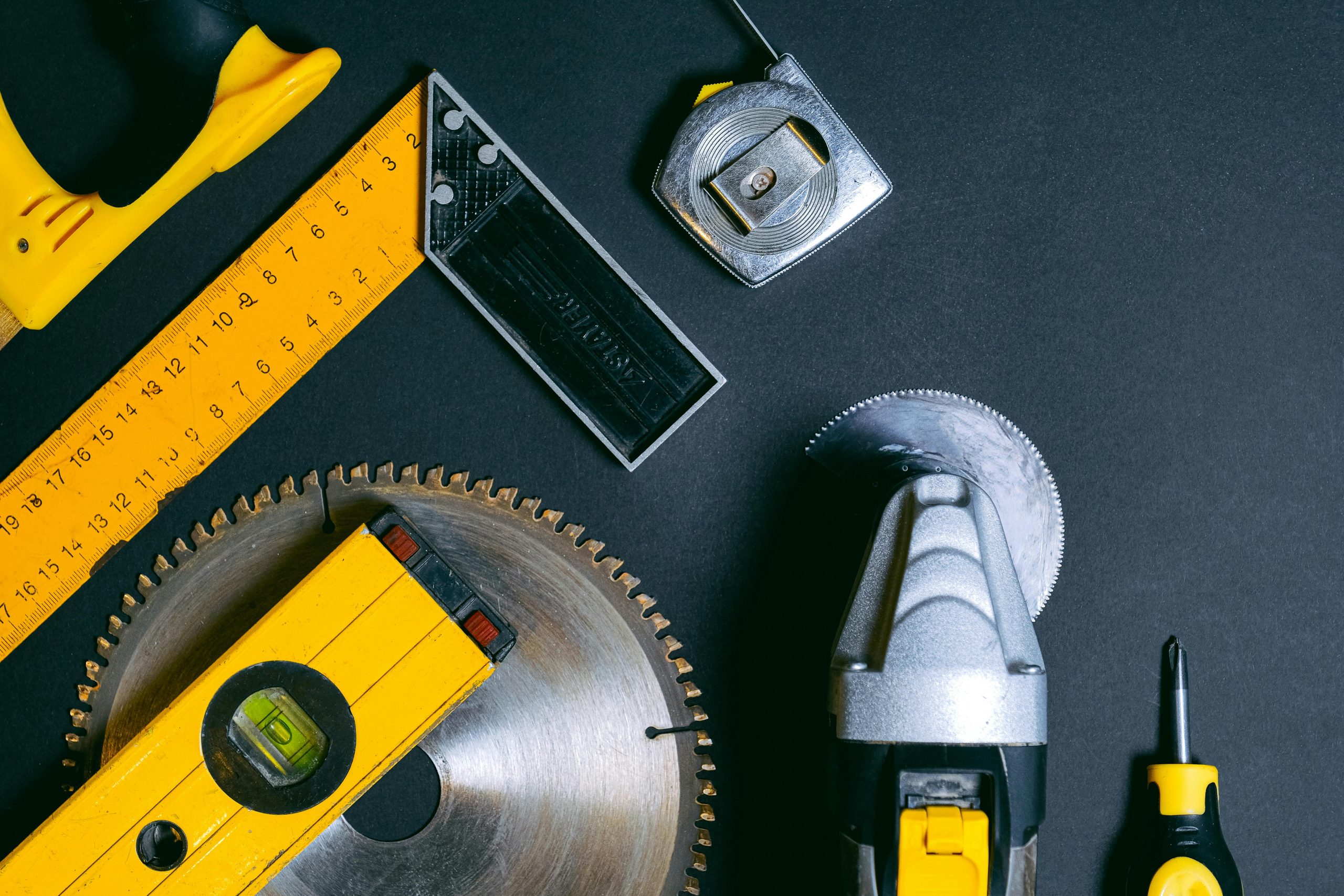
When deciding whether to repair or replace a door or frame, it’s important to weigh various factors. Each situation is unique, and the right choice depends on several considerations.
Condition of the Door and Frame - Assess the overall state of the door and frame. Minor issues like scratches or loose hinges are often repairable, but extensive damage such as rot or severe warping may require replacement.
Cost of Repair Versus Replacement - Compare the costs of repair and replacement. Repairs might be cheaper for minor problems, but if the expenses add up, replacing the door or frame could be more economical in the long run.
Purpose and Usage - Think about how the door is used. High-traffic areas might benefit from replacement with a more durable option, while less frequently used doors might only need minor repairs.
Energy Efficiency - Consider how well the door insulates your home. If drafts or gaps are affecting energy bills, replacing the door with an energy-efficient model may be worth the investment.
Aesthetic and Style - Evaluate whether the door still matches the style of your home. Repairs can restore function, but if the design is outdated or doesn’t fit, replacing the door might be the better option.
Longevity - Think about how long the repair will last. A temporary fix may not be worthwhile if the door or frame will need further attention soon after. Replacement might provide a longer-lasting solution.
Benefits of Professional Door Replacement
Replacing a door professionally offers several advantages that go beyond appearance. It improves the functionality, durability, and comfort of your home. Here are the key benefits:
- Proper Installation: Professionals have the skills and tools to install doors correctly, preventing issues like drafts or misalignment.
- Increased Energy Efficiency: New doors often provide better insulation, which helps regulate indoor temperatures and reduces energy bills.
- Enhanced Security: A professionally installed door adds a layer of safety with strong materials and secure fittings.
- Improved Durability: High-quality materials and proper installation increase the door’s lifespan, reducing the need for frequent repairs or replacements.
- Boosted Curb Appeal: A new door can refresh the appearance of your home, adding value and creating a welcoming entrance.
These benefits make professional door replacement a practical choice for many homeowners.
Common Door Repair Solutions
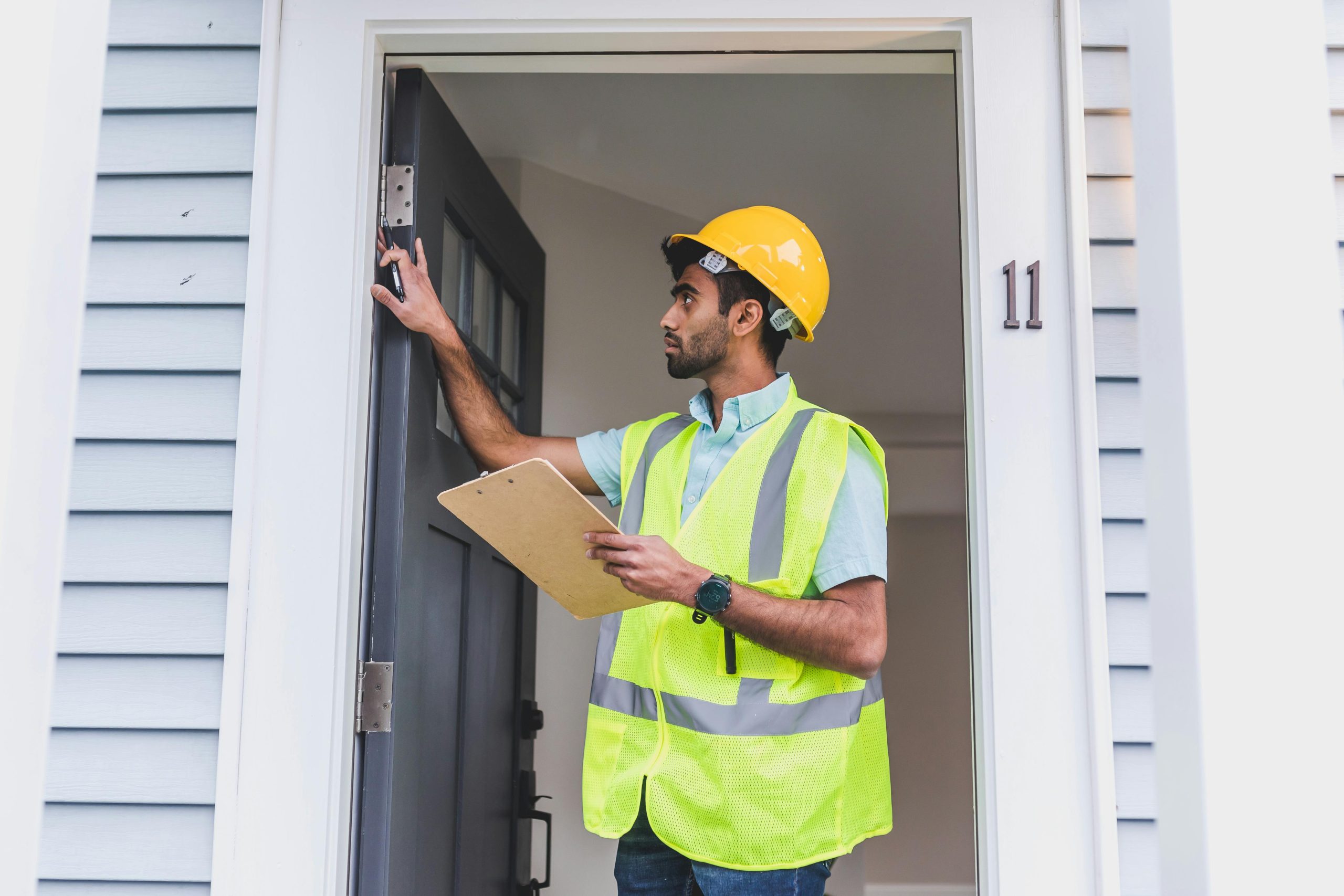
Repairing common door issues can often restore the function and appearance of doors without needing a full replacement. Here are practical solutions for some of the most frequent problems.
Fixing Sticking Doors
Sticking doors are usually caused by changes in humidity or slight shifts in the frame. To fix this, check for areas where the door rubs against the frame. Use sandpaper or a plane to gently shave off the excess wood where the contact occurs.
Another solution is to tighten the hinges. Loose hinges can cause misalignment, which leads to sticking. Replace worn screws or adjust the hinges to realign the door properly with the frame.
Repairing Loose Hinges
Loose hinges can make doors sag and become difficult to open or close. Start by checking the screws on the hinges. Tighten them securely, and if they don’t hold, consider using longer screws to reach deeper into the door frame.
If the screw holes are stripped, fill them with wood filler or small pieces of wood like toothpicks dipped in wood glue. Once dried, drill new pilot holes and reinstall the screws for a stronger hold.
Fixing Squeaky Doors
Squeaky doors are often caused by friction between the hinge parts. To fix this, apply a lubricant like WD-40, petroleum jelly, or even cooking oil to the hinge pins. Open and close the door several times to spread the lubricant evenly.
If the squeak persists, remove the hinge pins, clean them thoroughly, and apply a fresh coat of lubricant before reinserting them. This helps reduce wear and prevents further noise.
Patching Holes or Cracks
Small holes or cracks in wooden doors can be repaired with wood filler. Clean the damaged area and fill it with the filler using a putty knife. Once it dries, sand it smooth and paint or stain to match the rest of the door.
For larger damage, consider using a wood patch or epoxy resin. These materials provide a more durable repair and can be shaped to blend seamlessly with the rest of the door once sanded and finished.
Replacing Worn Weatherstripping
Worn or damaged weatherstripping can let in drafts and increase energy bills. To replace it, remove the old weatherstripping and clean the area thoroughly. Measure the length needed and cut the new weatherstripping to size.
Install the new piece by pressing it firmly into place or using adhesive, depending on the type. This simple repair improves insulation and makes the door more energy-efficient.
Conclusion
Deciding to repair or replace your doors and frames depends on the condition, cost, and your specific needs. Repairs are often a practical choice for minor issues, while replacement is better for severe damage or outdated designs.
Taking the time to evaluate the situation carefully will help you choose the option that works best for your home. Whatever you decide, addressing the problem promptly will help maintain functionality and keep your space comfortable and secure.