How to Keep Heat Inside Your Home During the Winter Months
Keeping your home warm during the winter is essential for comfort and energy savings. As temperatures drop, many households face rising heating bills due to heat escaping through walls, windows, and doors.
Staying cozy doesn’t have to mean cranking up the thermostat. With a few simple adjustments, you can keep the warmth inside and reduce energy costs throughout the colder months. Here’s how to prepare your home for winter and keep it comfortable all season long.
Assessing Your Home’s Heat Retention
Understanding where heat escapes from your home is the first step toward keeping it warm during the winter. Identifying problem areas helps you target improvements that will save energy and lower heating costs. Here are key areas to inspect:
- Windows and Doors: Check for drafts around frames and gaps where air might seep through.
- Walls and Ceilings: Look for signs of poor insulation, such as cold spots or uneven heating.
- Floors and Basements: Cold floors could indicate a lack of insulation underneath or around the foundation.
- Attic and Roof: Heat rises, so an under-insulated attic or roof can cause substantial heat loss.
- Vents and Ducts: Inspect vents for leaks or blockages that reduce heating efficiency.
- Chimneys and Fireplaces: Check for open dampers or cracks that allow warm air to escape.
Regular inspections can help you spot problems early and keep your home warm throughout the winter.
Sealing Air Leaks
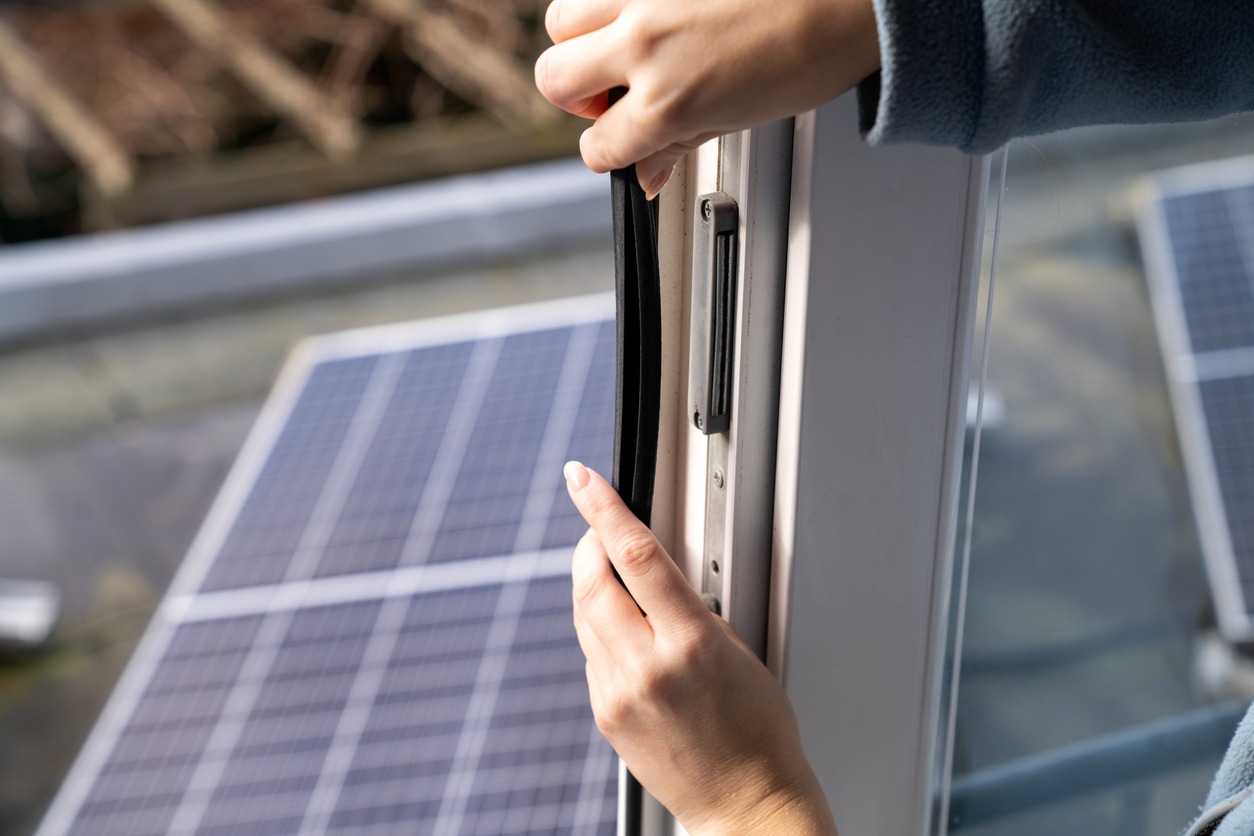
Sealing air leaks is one of the most effective ways to keep heat inside your home during winter. Even small gaps around windows, doors, and vents can let warm air escape and allow cold drafts inside. Finding and fixing these leaks helps maintain a consistent indoor temperature and reduces energy costs.
Start by inspecting areas where different materials meet, such as window frames, door frames, and baseboards. Use weatherstripping to seal gaps around doors and windows. Apply caulk to cracks in walls, ceilings, and around pipes entering the home. Door sweeps are useful for blocking drafts under exterior doors.
Enhancing Insulation
Proper insulation is essential for keeping your home warm during winter. Without enough insulation, heat escapes through walls, ceilings, and floors, forcing your heating system to work harder. Adding or upgrading insulation reduces energy loss and keeps indoor temperatures steady, helping you stay comfortable while lowering utility bills.
Regularly check the insulation in your attic, as heat rises and escapes through the roof if it’s not well-insulated. Use materials like fiberglass batts, foam boards, or blown-in cellulose for effective coverage.
Walls, basements, and crawl spaces should also be insulated to prevent heat from leaking through exterior surfaces. Consider insulating floors above unheated areas, such as garages, to keep rooms warmer during the coldest months.
Improving Windows and Doors
Windows and doors are common sources of heat loss during winter. Simple upgrades and adjustments help keep warm air inside while blocking cold drafts. Here are some tips to improve your windows and doors for better heat retention:
- Use Weatherstripping: Apply weatherstripping around door frames and window edges to block drafts.
- Seal Gaps with Caulk: Use caulk to fill cracks around windows and door frames where air might escape.
- Install Thermal Curtains or Blinds: Heavy curtains and insulated blinds help keep the cold out and the heat in.
- Add Door Sweeps: Attach door sweeps to the bottom of exterior doors to seal the gap between the door and floor.
- Use Window Film or Plastic Coverings: Apply window film or plastic sheets to windows for an extra layer of insulation.
- Upgrade to Energy-Efficient Models: Consider replacing old windows and doors with energy-efficient versions that provide better insulation.
These upgrades help maintain a warmer home while reducing heating costs throughout the winter months.
Maximizing Heating System Efficiency
Maximizing the efficiency of your heating system keeps your home warm while reducing energy costs. Regular maintenance is essential to keep the system running smoothly.
Schedule annual inspections to have a professional check for any issues and perform necessary tune-ups. Replacing air filters every one to three months helps maintain proper airflow and prevents the system from overworking.
Consider installing a programmable thermostat to adjust the temperature based on your schedule. Lowering the heat when you’re asleep or away saves energy without sacrificing comfort.
Make sure vents and radiators are not blocked by furniture or curtains to allow heat to circulate freely. By keeping your heating system well-maintained and using smart controls, you can stay warm throughout the winter while keeping utility bills under control.
Using Passive Heating Strategies
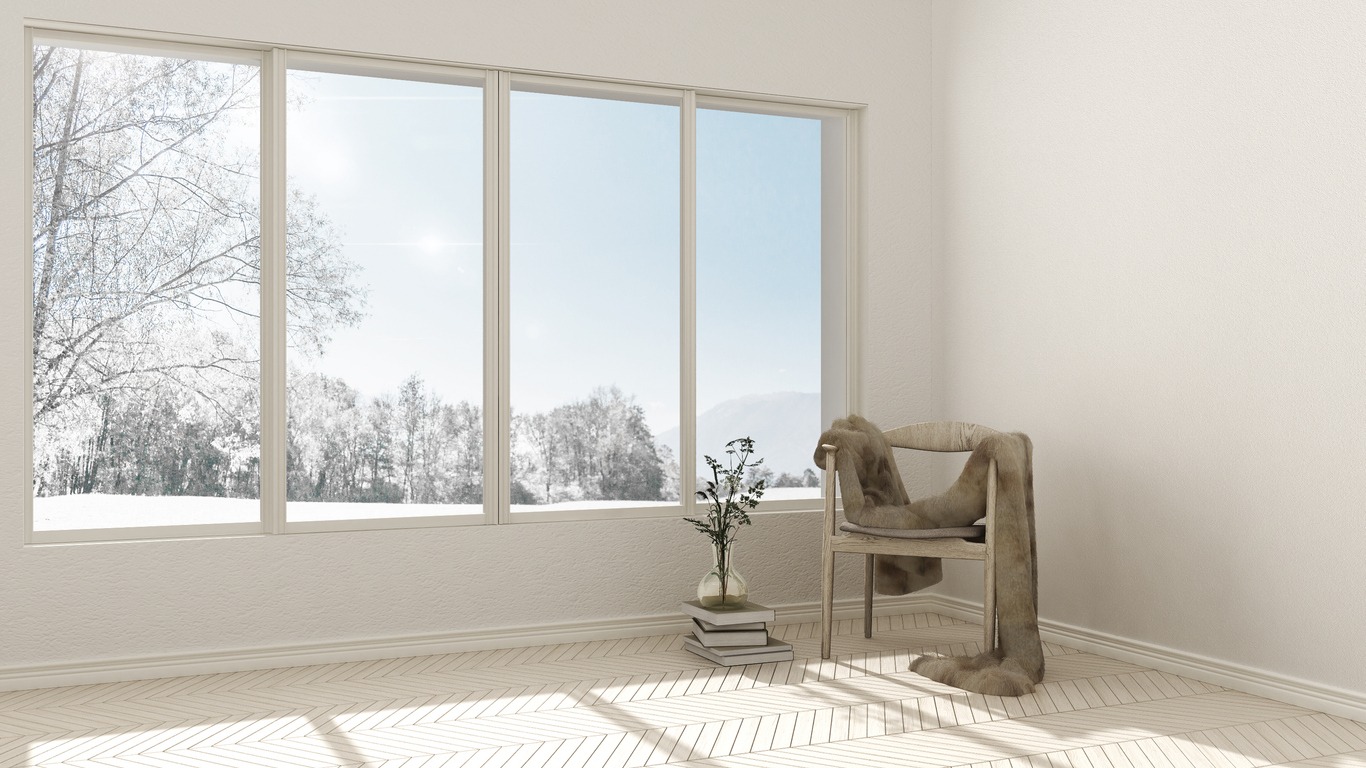
Passive heating strategies use natural methods to keep your home warm without relying solely on your heating system. These simple adjustments help trap and circulate heat, reducing energy costs during the winter. Below are some effective strategies:
- Let Sunlight In: Open curtains or blinds on south-facing windows during the day to allow sunlight to naturally warm your home.
- Close Curtains at Night: Shut curtains and blinds after sunset to keep warmth inside and block out the cold.
- Use Insulated Window Coverings: Install thermal curtains or insulated blinds for added warmth.
- Seal Unused Rooms: Close doors to rooms you don’t use often to concentrate heat where it’s needed most.
- Place Rugs on Floors: Use area rugs to insulate floors and add warmth underfoot.
- Use Reflective Surfaces: Place reflective panels behind radiators to direct heat back into the room instead of letting it escape through walls.
These small changes help your home retain heat and reduce the strain on your heating system throughout the winter season.
Additional Tips for Heat Retention
Keeping heat inside your home during winter doesn’t have to be complicated. Small adjustments can go a long way toward maintaining a warm and comfortable living space. Check out these extra tips to help retain heat indoors:
- Use Draft Stoppers: Place draft stoppers or rolled towels at the base of exterior doors to block cold air.
- Close Fireplace Dampers: When not in use, close the damper on your fireplace to prevent warm air from escaping up the chimney.
- Cover Walls with Tapestries or Fabric Panels: Adding fabric wall hangings helps insulate rooms by reducing heat loss through walls.
- Keep Interior Doors Open: Allow warm air to circulate freely by keeping interior doors open unless sealing off unused rooms.
- Use Ceiling Fans Wisely: Set ceiling fans to spin clockwise on a low setting to push warm air down into the living space.
- Maintain Proper Humidity Levels: Use a humidifier to keep the air moist, which makes the home feel warmer and more comfortable.
Conclusion
By sealing air leaks, upgrading insulation, improving windows and doors, and using passive heating strategies, you can create a more comfortable living space while lowering energy bills. Taking and following the tips we offered keeps your home cozy, reduces energy waste, and makes winter weather more manageable.