Why Staying In Became the New Going Out for Busy Families
Friday nights used to mean dinner reservations, crowded restaurants, and packed movie theaters. Today, many households are just as happy gathering around the dining table, settling into the couch for a favorite streaming series, or inviting friends over for a relaxed evening at home. What once felt like a backup plan has gradually become something people genuinely look forward to.
This shift isn't simply about saving money. It's tied to changing technology, evolving work habits, and a growing appreciation for slower, more intentional ways of spending time together. Social media, streaming services, and modern wellness culture have all helped transform staying in from a practical decision into a recognizable part of today's pop culture.
Why Busy Families Are Choosing to Stay In
More families are choosing evenings at home because modern life leaves little room for complicated social plans. Between work schedules, school activities, sports practices, and household responsibilities, coordinating an evening out often requires as much planning as the event itself. Staying home offers a simpler alternative that still allows everyone to relax and spend meaningful time together.
Financial considerations also play a major role. Dinner, entertainment, transportation, parking, and childcare can quickly turn an ordinary night out into a costly experience. Surveys consistently show that many adults now prefer hosting friends or enjoying quiet evenings at home because they provide better value while reducing stress.
The cultural perception of staying in has changed as well. Years ago, declining invitations sometimes felt like missing out. Today, cozy evenings have become something people proudly share online through movie-night photos, homemade dinners, reading corners, and family game nights. Spending quality time at home has become less about avoiding social activities and more about intentionally choosing experiences that feel meaningful.
The Real Cost of a Night Out for Families
One of the biggest reasons households spend more time at home comes down to simple budgeting. A single evening out can easily exceed one hundred dollars once restaurant meals, drinks, movie tickets, parking fees, transportation, and babysitting are included. For larger families, those expenses multiply quickly, making frequent outings difficult to justify.
Staying home allows families to enjoy many of the same experiences for a fraction of the cost. Cooking together, preparing homemade pizza, setting up a movie marathon, or organizing a board game tournament creates memorable evenings without placing additional pressure on the monthly budget. Instead of paying premium prices for entertainment, families invest in activities they can repeat whenever they choose.
The savings also extend beyond money alone. Avoiding traffic, reservations, long wait times, and crowded venues means less frustration and more opportunities to actually enjoy each other's company. For busy households, reducing logistical stress often becomes just as valuable as reducing financial costs.
What Staying In Saves Beyond the Grocery Bill
The benefits of staying home extend far beyond reduced spending. Families also save time that would otherwise disappear into commuting, finding parking, waiting for tables, or traveling between different activities. Those recovered hours can instead be spent talking together, cooking, helping children with hobbies, or simply relaxing after demanding workdays.
Emotional energy matters just as much. Planning an outing often involves coordinating schedules, organizing transportation, choosing destinations everyone enjoys, and managing unexpected delays. By removing those responsibilities, evenings become calmer and far less rushed. Instead of focusing on logistics, people can concentrate on being fully present with one another.
Many parents also appreciate the flexibility that staying home provides. Young children can follow familiar bedtime routines, teenagers have space to invite friends over, and adults can adjust plans spontaneously without worrying about reservations or closing times. That freedom helps create evenings that feel more relaxed and adaptable to everyone's needs.
Deeper Connections Happen Around Your Own Table
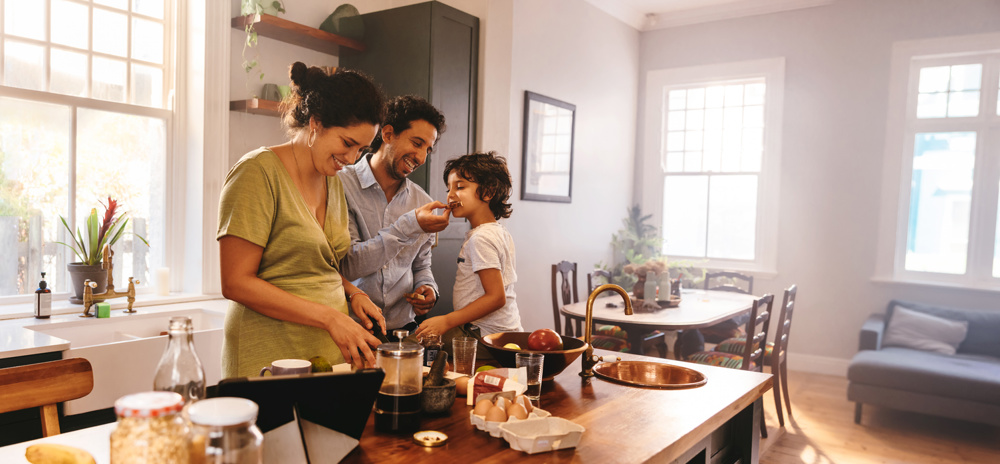
When distractions fade into the background, conversations naturally become more meaningful. Meals shared around the dining table often last longer than restaurant dinners because nobody is waiting for the next reservation or trying to clear tables quickly. Families can laugh, tell stories, and revisit favorite memories without feeling hurried.
Simple traditions strengthen those connections even further. Some households begin dinner by asking everyone to share the best part of their day. Others keep memory jars filled with handwritten notes from special evenings or set aside phones during meals to encourage uninterrupted conversation. These small rituals help transform ordinary dinners into meaningful family traditions.
Those moments often become the memories children carry into adulthood. Long after favorite restaurants are forgotten, many people vividly remember homemade meals, birthday dinners, holiday gatherings, and casual conversations around their own kitchen tables. Those shared experiences create lasting emotional connections that expensive outings cannot always replicate.
How Social Media Made Cozy Nights In Trendy
Social media has played an unexpected role in making evenings at home feel fashionable rather than ordinary. Platforms like TikTok, Instagram, Pinterest, and BookTok are filled with creators sharing candlelit reading corners, homemade desserts, puzzle nights, home cafés, knitting projects, and beautifully prepared comfort food. These posts celebrate everyday moments instead of glamorous nights out, encouraging millions of viewers to embrace slower routines.
Popular hashtags centered around cozy living, self-care, reading, baking, journaling, and movie nights have helped redefine what an enjoyable evening looks like. Rather than measuring success through busy social calendars, many creators emphasize comfort, intentional routines, and spending quality time with loved ones. The visual appeal of soft lighting, warm blankets, and thoughtfully designed spaces has become its own recognizable online aesthetic.
This cultural shift has made staying home feel aspirational instead of ordinary. Instead of worrying about missing out, many people now find inspiration in creating memorable evenings within their own living rooms. Social media hasn't simply documented this lifestyle—it has helped turn cozy nights at home into one of the defining lifestyle trends of the past several years.
How Remote Work Made Home the Center of Family Life
Remote and hybrid work have permanently changed the way many households use their living spaces. Hours once spent commuting are now available for family dinners, afternoon walks, helping with homework, or simply enjoying a quieter pace of life. Home has evolved into a place where work, learning, relaxation, and entertainment comfortably coexist.
This shift has also encouraged more flexible family routines. Parents are often available for lunch breaks, children become accustomed to seeing work and family life blend together, and evenings no longer begin with everyone arriving home exhausted from long commutes. Instead, many households naturally transition from work mode into family time without the stress of additional travel.
Although balancing work and personal life still requires clear boundaries, many people have discovered that spending more time at home creates opportunities for spontaneous moments that would have been impossible before. Those everyday interactions contribute to stronger relationships and reinforce why evenings at home continue feeling rewarding.
The Pandemic Habits That Permanently Stuck Around
Many of today's home-centered traditions gained momentum during the pandemic but continued long after restrictions ended. Families learned how enjoyable it could be to cook together, host virtual celebrations, organize game nights, and turn ordinary evenings into meaningful occasions. What initially began as necessity gradually became preference.
Several cultural trends also emerged during this period. Homemade bread, home cafés, virtual trivia nights, backyard movie screenings, and online fitness classes all became familiar parts of everyday life. Streaming subscriptions increased, board games returned to popularity, and people invested more in comfortable living spaces designed for spending time together.
Rather than disappearing, many of these habits became permanent fixtures of modern family life. People discovered that meaningful experiences didn't always require reservations or expensive outings. Instead, they found satisfaction in slower routines that emphasized comfort, connection, and intentional use of their own space.
Simple Ways to Make a Night In Feel Like an Event
Creating a memorable evening at home doesn't require expensive equipment or elaborate planning. Small details often make the biggest difference. Setting the table, preparing favorite foods, choosing themed decorations, or planning a special activity can transform an ordinary evening into something everyone remembers.
Families might organize trivia competitions, board game tournaments, cooking challenges, or themed movie nights based on favorite films or television series. Others enjoy building blanket forts, reading together, solving puzzles, or hosting neighborhood potluck dinners where everyone contributes a favorite recipe. The goal isn't perfection—it's creating opportunities to spend meaningful time together.
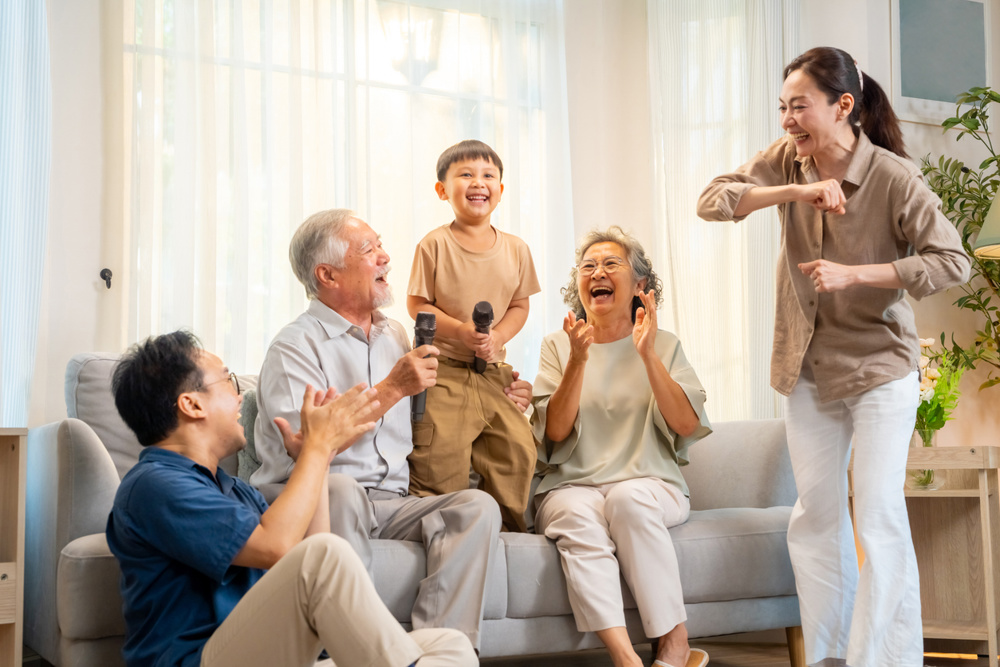
Technology also offers creative ways to personalize these experiences. Smart speakers provide customized playlists, digital projectors create backyard cinemas, and gaming systems like the Nintendo Switch or Jackbox Games encourage friendly competition across generations. Combined with thoughtful planning, these activities help make evenings at home feel just as exciting as many traditional outings.
Why Home Entertainment Keeps Getting Better
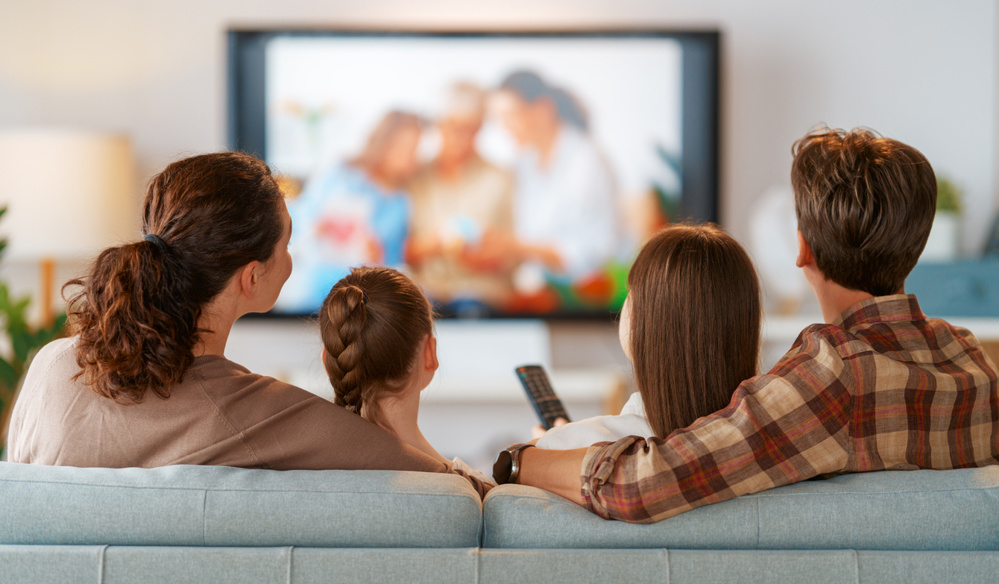
Modern technology has made staying home more appealing than ever before. Large smart televisions, affordable sound systems, high-speed internet, wireless speakers, and comfortable furniture have transformed ordinary living rooms into entertainment spaces that rival many public venues. Families can enjoy cinema-quality experiences without paying admission or waiting in long lines.
Gaming has become another important part of this evolution. Cooperative Nintendo Switch games, Jackbox party collections, and multiplayer family favorites encourage people of all ages to participate together rather than simply watching entertainment passively. Combined with food delivery services and meal-kit subscriptions, these technologies remove many of the inconveniences that once encouraged people to leave home.
As technology continues improving, the difference between staying home and going out continues narrowing. Families now enjoy greater flexibility, personalization, and convenience than ever before, making evenings at home feel less like compromises and more like carefully designed experiences.
How Staying In Became Part of Modern Lifestyle Culture
The popularity of staying home also reflects broader cultural movements centered on wellness and intentional living. Scandinavian hygge introduced many people to the idea that comfort, warmth, and simple pleasures contribute to happiness. Slow living encourages people to value meaningful experiences over constantly filling their schedules with activity.
Social media accelerated these ideas by celebrating cozy interiors, homemade meals, reading routines, gardening, baking, and creative hobbies. Rather than promoting nonstop productivity, many creators began highlighting balance, self-care, and quality time with loved ones. Together, these trends helped establish staying in as a pop culture shift, transforming quiet evenings at home into symbols of modern lifestyle and well-being.
This cultural shift has reshaped how people define a successful weekend. Hosting friends for dinner, preparing a favorite recipe, reading by candlelight, or simply enjoying uninterrupted family conversation now carries just as much social value as attending crowded events. Staying in has become part of a broader lifestyle that prioritizes connection, comfort, and personal well-being.
Conclusion
Staying in is no longer simply the affordable alternative to going out. It has become part of modern pop culture, shaped by streaming platforms, social media, wellness movements, and changing ideas about how people spend their free time. Cozy movie nights, family dinners, game evenings, and quiet conversations have become experiences worth celebrating rather than settling for.
For busy families, the greatest luxury isn't necessarily another reservation or expensive outing—it's having the time and space to enjoy one another's company. As modern life continues evolving, the simple pleasure of gathering around the living room or dining table remains one of the most meaningful ways to create lasting memories together.