What Are Casegoods and How to Use Them in Your Home

The term "casegoods" comes from traditional furniture-making, where craftsmen built solid, box-like structures to store and display household essentials. These pieces range from dining room buffets to bedroom nightstands, blending form and function seamlessly. High-quality casegoods are built to last, often passed down through generations as both functional and decorative heirlooms.
Definition of Casegoods
In the world of home furnishings, casegoods play an essential role in both functionality and aesthetics. You'll find that casegoods refer to non-upholstered furniture pieces typically made from materials like wood and metal. These versatile items provide interior storage and functionality to your space, helping you organize and complement your room's design.
When you're looking to furnish your home, you'll encounter a wide range of casegoods, including shelving units, bookcases, bed frames, sideboards, cabinets, and desks. These pieces are designed to enhance your interior while offering practical storage solutions. High-quality casegoods often feature expert craftsmanship, such as mortise and tenon or dovetail joinery, ensuring durability and long-lasting use. Types of wood for doors can also be used to create stylish and durable casegoods for your home.
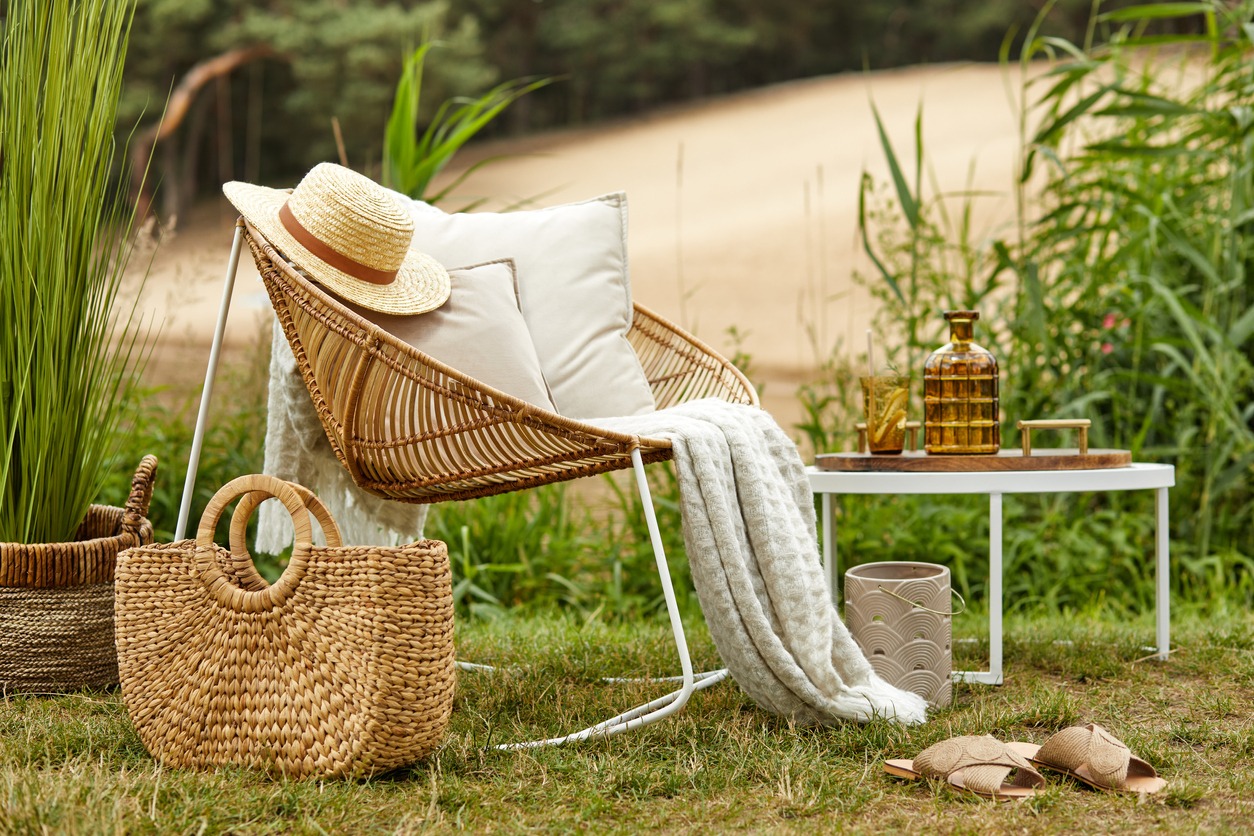
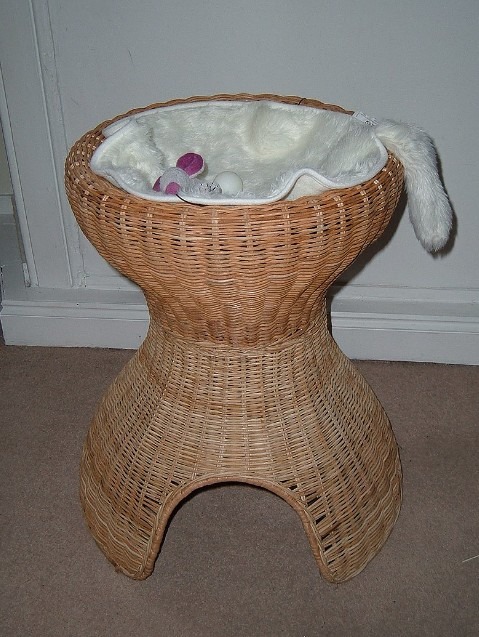
As you inspect casegoods options, you'll uncover they come in various materials beyond wood, including wicker, metal, plastic, mosaic, and glass. Each material offers unique aesthetic and functional properties to suit different design preferences. When selecting casegoods for your home, consider the size, color, and style that best complement your existing furnishings and architectural elements.
View this post on Instagram
Casegoods come in a wide variety of types, each designed to serve specific functions in your home. The most common types of case goods furniture include dressers, chests of drawers, nightstands, and armoires for bedrooms. In living areas, you'll find bookcases, entertainment centers, and sideboards. For dining rooms, buffets and china cabinets are popular choices. Office spaces often feature desks, filing cabinets, and credenzas, while entryways benefit from console tables and shoe storage units. Each of these types of case goods serves a dual purpose: providing ample storage space while contributing to your home's overall design aesthetic. You'll find various styles of casegoods to suit your taste, from traditional to contemporary and everything in between. Some pieces may have multiple drawers, while others feature a combination of shelves and cabinets. When choosing casegoods for your home, consider both functionality and style. Look for pieces that complement your existing decor while meeting your storage needs. Remember, well-chosen casegoods can alter a room, adding both practicality and visual appeal to your living spaces. Quality and durability are paramount when it comes to the materials used in casegoods. You'll find that most casegoods are crafted from a combination of solid wood, wood veneers, metal, and glass. Each material brings its own unique characteristics to the furniture. Solid wood is a popular choice for casegoods due to its strength and timeless appeal. If you're looking for furniture that'll last for generations, consider pieces made from oak, maple, or cherry. These woods offer exceptional durability and develop a beautiful patina over time. For a more budget-friendly option that doesn't compromise on style, wood veneers are an excellent alternative. They provide the look of solid wood at a fraction of the cost, making high-end aesthetics more accessible. If you're aiming for a modern or industrial look, metal casegoods might be your best bet. Steel and aluminum are commonly used, offering sleek lines and sturdy construction. Glass elements are often incorporated to add visual interest and a sense of lightness to metal pieces. Now that you're familiar with the materials used in casegoods, let's focus on how to select high-quality pieces for your home. When shopping for case goods, look for furniture pieces that showcase superior craftsmanship and durable materials. Opt for wood or metal items with strong joinery methods like mortise and tenon or dovetail construction. These techniques guarantee your casegoods will stand the test of time. To prepare the surface, it's important to clean the surface with a degreaser such as trisodium phosphate and thoroughly rinse and dry the wood. Additionally, filling any cuts, scratches, or irregularities using a wood filler and sanding the entire piece with 150 grit or finer sandpaper can help create a smooth base for the primer and paint. Pay attention to drawer quality by checking for smooth gliding on heavy-duty rails and well-sanded interiors. Assess the overall weight and stability of the piece, as these factors often indicate durability. Interior designers recommend purchasing from reputable, established sources to guarantee you're getting high-quality casegoods. For a unique touch, consider customizable pieces designed and hand-painted by American artisans. These one-of-a-kind furnishings can augment personality to your space while maintaining quality standards. Remember, investing in well-made casegoods means you'll enjoy beautiful, functional furniture for years to come. By prioritizing craftsmanship and materials, you'll create a home filled with sturdy, attractive case goods that enhance your interior design and withstand daily use. When it comes to bedroom design, casegoods play a crucial role in both form and function. Classic pieces like dressers, nightstands, and armoires provide essential storage solutions while contributing to the room's overall aesthetic. To create a cohesive look, evaluate coordinating these casegoods in matching wood tones or complementary finishes. For smaller bedrooms, multifunctional pieces are key. A chest with both drawers and shelves can maximize limited space by offering storage and display options. If you're working with an open-concept layout, strategically placing a bookcase or cabinet against a wall can help define distinct zones within the room. When selecting casegoods for your bedroom, prioritize functionality and user experience. Look for features like soft-close drawers and adjustable shelving to enhance the practicality of your space. Don't forget to assess the visual impact of your chosen pieces – they should complement your existing decor and contribute to the overall ambiance of your bedroom. Living rooms serve as the heart of the home, and carefully chosen casegoods can alter, convert, or reconfigure these spaces into both functional and stylish environments. When selecting case goods for your living room, consider vital pieces that offer storage, display, and functionality. Bookcases and shelving units are versatile storage solutions that allow you to showcase your favorite books, decor items, and personal mementos. They're perfect for creating a focal point or filling an empty wall. A coffee table acts as the centerpiece of your seating arrangement, providing a surface for drinks, magazines, and decorative objects. Complement it with side tables to guarantee guests always have a place to set down their beverages. For entertainment needs, a media console is indispensable. It houses your TV, audio equipment, and gaming consoles while keeping cords organized and out of sight. Sideboards and buffets offer additional storage and surface area, serving as stylish accent pieces. Don't forget about multifunctional options like ottomans and trunks, which can double as seating and hidden storage. By carefully selecting these living room casegood essentials, you'll create a space that's both practical and visually appealing. Selecting the right casegoods for your dining room can convert it into a functional and fashionable space for entertaining and everyday use. The most common dining room casegoods include sideboards, buffets, and china cabinets, each offering unique storage and display solutions. Sideboards are versatile pieces featuring drawers and cabinets beneath an open top surface. They're perfect for storing serving pieces and entertaining essentials while providing a convenient surface for setting out dishes during meals. Buffets, slightly taller than sideboards, offer more space for larger items like platters and pitchers. If you're looking to showcase your fine dishware or collectibles, a china cabinet is an excellent choice. When choosing dining room casegoods, consider your space carefully. Measure the available area and select pieces that fit comfortably without overwhelming the room. Coordinate the style and finish of your casegoods with your existing decor to maintain a cohesive overall aesthetic. By thoughtfully selecting and arranging these pieces, you'll create a dining room that's both stylish and practical, enhancing your entertaining capabilities and daily dining experiences. In light of the growing trend of remote work, home office casegood solutions have become essential for creating an efficient and comfortable workspace. When setting up your home office, it's vital to choose casegoods that provide ample storage and organization options. A well-designed desk is the cornerstone of any productive home office. Look for desks with integrated power outlets, USB ports, and cable management features to seamlessly incorporate your technology. To maximize your space, consider modular bookcases and shelving units. These versatile pieces allow you to customize your storage solutions for books, decor, and personal items while making the most of limited floor space. Don't forget about vertical filing cabinets, which offer excellent storage capacity for important documents and office supplies, keeping your workspace clutter-free. Proper maintenance of your casegoods is essential for preserving their beauty and extending their lifespan. To keep your pieces looking their best, start by dusting them regularly with a soft, lint-free cloth. This simple act prevents dust buildup and maintains their pristine appearance. For wooden casegoods, apply a mild furniture polish to protect the finish and prevent drying or cracking. Be sure to choose a non-abrasive product that won't damage the surface. It's also imperative to shield your casegoods from direct sunlight, as prolonged exposure can lead to fading and discoloration over time. If you encounter spills or stains, act quickly to clean them up. Prompt attention can prevent permanent damage to the surface of your casegoods. Additionally, don't forget to periodically inspect the joints and hardware of your pieces. Ensure they're secure and functioning properly to maintain the integrity of your furniture. Skillfully blending casegoods with upholstered pieces can alter your living space into a harmonious and functional oasis. When combining these elements, consider the contrasting textures, colors, and styles to create a visually balanced room. While upholstered furniture offers comfort, case goods provide storage and structure, making them perfect partners in design. To achieve a cohesive look, use neutral-toned casegoods as a foundation, allowing your upholstered furniture to shine with bold patterns or lively hues. This approach follows current design trends that emphasize personalization and eclectic styling. You can create a timeless aesthetic by mixing modern case goods with traditional upholstered pieces, reflecting your unique taste. Casegoods are the foundation of practical, stylish interiors. They provide storage, define spaces, and bring character to any room. Investing in well-crafted pieces ensures that a home remains organized, visually appealing, and timeless in style.Types of Casegood Furniture
Materials Used in Casegoods
Choosing Quality Casegoods
Incorporating Casegoods Into Bedroom Design
Living Room Casegood Essentials
Dining Room Casegood Options
Home Office Casegood Solutions
Caring for Your Casegoods
Mixing Casegoods With Upholstered Pieces
Wrapping Up