Using Decorative Mirrors to Enhance Interior Design
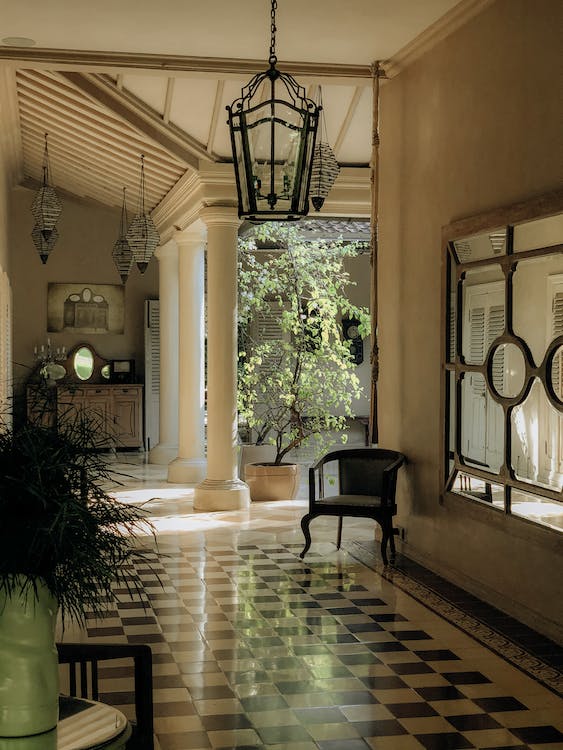
Savvy mirror placement can alter a room's ambiance and perceived size. When strategically positioning mirrors in your interior design, consider the wall space and light sources available. Placing a large mirror opposite a window will reflect natural light, brightening the room and creating an illusion of space. You'll want to avoid positioning mirrors where they'll reflect clutter or unattractive views.
To create a focal point, hang a statement mirror above a fireplace or console table. In narrow hallways, use a series of smaller mirrors to expand the perceived width. For dining rooms, consider placing a mirror to reflect your chandelier, doubling its impact. In bedrooms, full-length mirrors are practical and can make the space feel larger.
Don't forget about unconventional placements. Leaning a large mirror against a wall can add depth and casual elegance to a room. In small bathrooms, extend mirrors from wall to wall above the vanity to maximize the sense of space. By thoughtfully incorporating mirrors into your design scheme, you'll enhance both the aesthetics and functionality of your interior spaces.
View this post on Instagram
When it comes to creating illusions of space, mirrors are your secret weapon. By strategically placing mirrors throughout your home, you can make even the smallest rooms appear larger and more open. Floor-to-ceiling mirrors or mirrored walls are particularly effective in converting a dramatic sense of expanded space. To maximize the impact, position mirrors opposite windows to capture and reflect natural light, amplifying brightness and depth. This technique works wonders in rooms with limited square footage, instantly reconfiguring cramped areas into seemingly spacious environments. You'll be amazed at how mirrors can create the illusion of additional square footage without any structural changes. Placing mirrors on entryways or at the end of hallways can further open up the space and introduce drama into the room. Natural light is a precious commodity in interior design, and mirrors are your key to maximizing its impact. To enhance natural light in your space, strategically place mirrors to reflect natural light and brighten dark corners. Position a wall mirror opposite windows to capture and distribute daylight throughout the room, instantly making it feel more open and airy. Mirrors create the illusion of depth and amplify available light, especially when used as mirrored surfaces like backsplashes or furniture. Choose mirrors with lighter frames or finishes to reflect more light compared to darker options. In small spaces, such as alcoves or behind sconces, mirrors adds brightness and perceived spaciousness. Don't overlook the power of mirrors to reflect Artificial Light as well. By placing mirrors near light sources, you can double their impact and create a warm, inviting atmosphere. Remember, mirrors can be used in various ways to make a room feel brighter and more spacious. Experiment with different sizes, shapes, and placements to find the perfect balance of light and reflection in your interior design. Decorative mirror frames come in a vast array of styles to suit any interior design aesthetic. You'll find ornate baroque frames that exude opulence, sleek modern metal designs for a contemporary look, and rustic wood options for a more natural feel. If you're aiming for timeless elegance, consider antique or vintage-inspired mirror frames. These often feature gilded finishes, distressed textures, or intricate carvings that add character to your space. Mirrors can be used like art, with sculptural frames and gallery-inspired layouts, creating a visually interesting display. For a more avant-garde approach, geometric mirror frames offer angular, rounded, or asymmetrical shapes that create an art-deco inspired ambiance. If you prefer to let the mirror's reflective properties take center stage, opt for minimalist mirror frames. These simple designs allow the mirror itself to become the focal point. To make a dramatic statement, choose bold mirror frames in contrasting colors or metallic finishes. These eye-catching options can serve as a design centerpiece in any room. Whether you're drawn to ornate mirror frames or prefer sleek, modern designs, there's a decorative mirror frame style that will enhance your interior design and reflect your personal taste. Gone are the days when mirrors were merely functional objects for checking your appearance. Today, mirrors have evolved into artistic focal points that can transform your space. By incorporating a statement mirror with unconventional shapes or intricate design details, you'll create a captivating centerpiece that draws the eye and sparks conversation. Consider creating a gallery wall of mirrors, combining different mirror styles, sizes, and textures for a visually striking display. A sunburst mirror can add a dramatic touch to any room, while frameless mirrors with unique finishes like antiqued or tinted glass bring depth and dimension to your decor. Don't shy away from experimenting with mirrored furniture or a mirrored wall to amplify the artistic impact. For a truly innovative approach, integrate mirrors with other art forms. Pair a curved ceiling with reflective panelling to create an illusion of space and light. You can also combine mirrors with paintings or sculptures to enhance the overall visual effect. By thinking beyond traditional mirror placement, you'll unveil endless possibilities for using these versatile design elements as stunning works of art in their own right. A mirror's style-matching prowess can enhance your room's aesthetic to new heights. When selecting decorative mirrors, consider how their frame materials, shapes, and finishes complement your space's existing style and color palette. For traditional or formal rooms, opt for mirrors with ornate frames, while contemporary spaces benefit from minimalist or geometric designs. To create visual harmony, strategically position mirrors to reflect key design elements like artwork or lighting fixtures. This technique amplifies your room's aesthetic appeal and establishes a cohesive look. Remember to maintain visual balance by choosing mirror sizes and scales that are proportional to your space and surrounding furniture. Incorporating mirrors with unique finishes, such as antiqued or distressed surfaces, can add depth and interest to your decor. By carefully considering these factors, you'll guarantee your decorative mirrors not only serve a functional purpose but also elevate your room's overall aesthetic. While aesthetics play a significant role in mirror selection, functionality shouldn't be overlooked. When using mirrors in interior design, you can maximize their potential by strategically placing them to serve both form and function. In your home, mirrors can be used to create the illusion of larger, brighter spaces by reflecting natural light. This technique is particularly effective in smaller rooms, such as dining rooms or compact living rooms. Consider incorporating mirrored furniture like wardrobes and cabinets to maximize storage while visually expanding the space. In kitchens and bathrooms, mirrored backsplashes and walls can make these areas appear more open and airy. To amplify natural light and make a space feel more inviting, place mirrors opposite windows. When it comes to incorporating mirrors into your interior design, mirrored furniture offers a versatile and stylish option. You'll find a wide range of mirrored pieces that can enhance your living spaces, from dressers and armoires to side tables and vanities. These reflective surfaces create the illusion of expanded space and light, making them perfect for smaller rooms or areas that need a visual uplift. In your bathroom or bedroom, consider adding mirrored cabinets or vanities for a touch of glamour and practicality. For living areas, mirrored coffee tables and end tables can reflect surrounding decor, serving as a versatile choice that complements various styles. A well-placed mirror can make a small room feel more open, amplify natural light, and add a layer of sophistication to any space. Oversized mirrors add a modern touch to entryways, while vintage gilded frames bring old-world charm to a bedroom or living room.Creating Illusions of Space
Amplifying Natural Light
Decorative Frame Styles
Mirrors as Artistic Focal Points
Complementing Room Aesthetics
Functional Mirror Designs
Mirrored Furniture Options
Wrapping Up