
Top Tips for Organizing Your Home Closets
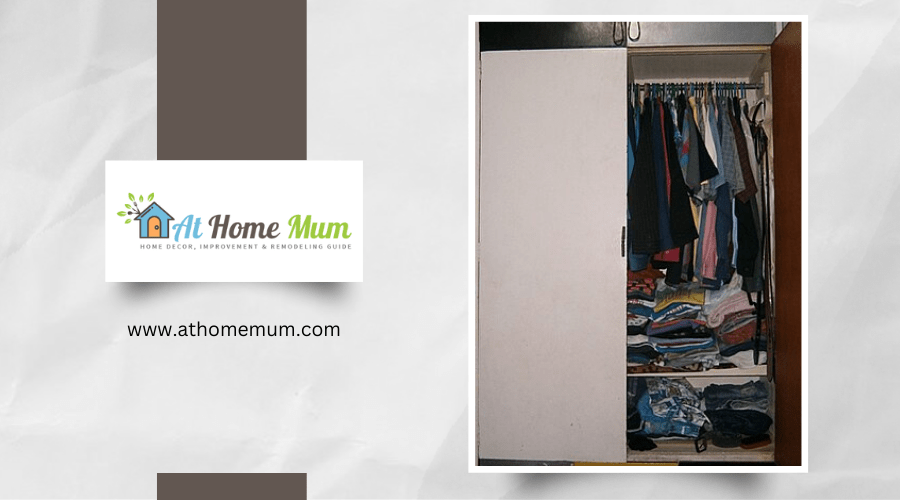
Bagoto, Space-saving closet, CC BY-SA 4.0
A cluttered closet can turn getting dressed into an everyday frustration. When clothes are crammed together, shoes pile up in a heap, and accessories disappear into the abyss, it’s time for a change. A well-organized closet doesn’t just look better—it saves time, reduces stress, and makes daily routines easier. With a few simple strategies, any closet can go from chaotic to functional, no matter the size or layout.
Declutter and Purge
Your closet's conversion begins with decluttering and purging. To effectively organize clothes and create a clutter-free closet, you'll need to take stock of everything you own. Start by pulling everything out of your closet and sorting items into piles: keep, donate, and discard. This process allows you to assess what you truly need and use.
As you sort, be honest with yourself about letting go of items. A good rule of thumb is to consider whether you've worn or used an item in the last year. If not, it's probably time to part ways. Remember, the goal is to create space for the things you actually use and love.
Once you've decluttered, you'll have a better idea of what storage solutions you need. Examine closet organization ideas that maximize your space, such as hanging organizers, shelf dividers, or drawer units. By ruthlessly decluttering and purging, you're setting the foundation for a well-organized closet that's easy to maintain.
Assess Your Storage Needs
After decluttering, it's time to take a critical look at your storage requirements. Start by measuring your closet's dimensions and identifying any underused areas. This assessment will help you develop an efficient organizing plan that maximizes space.
Categorize your clothes and accessories based on how often you use them, their seasonality, and item types. This classification will guide you in determining the right storage solutions for each category. Evaluate your needs for hanging space, shelving for folded items, and designated areas for accessories.
To optimize your closet's storage capacity, consider incorporating vertical storage solutions. Install additional shelves and rods to make use of every inch of available space. Don't forget to look beyond your current closet; identify areas in your home that could be repurposed or converted to expand your overall storage space. Employ the space under the slope for storage solutions, as suggested in the provided knowledge.
View this post on Instagram
Now that you've assessed your storage needs, it's time to bring order to your closet by categorizing and grouping items. Start by dividing your clothing and accessories into distinct categories, such as tops, bottoms, dresses, and shoes. This organization method creates designated zones within your closet space, making it easier to locate specific pieces. Within each category, arrange items by color to establish an efficient filing system. This approach enhances your closet's visual appeal and streamlines the process of finding what you need. Avoid organizing based on priority or preference, as grouping by type proves more functional for your home organization efforts. Consider incorporating various storage solutions like cabinets, drawers, and shelves to make the most of your closet space. Make the most of your closet systems by reserving prime shelf space and hanging areas for frequently worn garments. For rarely used items, use wire baskets that keep them visible and accessible without taking up significant closet real estate. Incorporate a shelving system or storage bins to designate specific areas for accessories like scarves, bags, and jewelry. This strategy maintains an organized layout and maximizes your storage options. Efficiency is the key to maximizing vertical space in your closet. By employing every inch, you'll create a more organized and spacious storage area. Start by installing adjustable shelving units to create flexible vertical storage options. These units allow you to customize the space according to your needs and easily adapt as your storage requirements change. Don't overlook the area above your closet rod. Add wall-mounted shelves or racks to make use of this often-forgotten space. It's perfect for storing items you don't use frequently or for displaying decorative pieces. To further optimize your closet's vertical potential, hang items on the back of the closet door. Over-the-door organizers are excellent for storing smaller items like accessories, shoes, or toiletries. When arranging items on shelves, stack them vertically to maximize your closet's height. Use shelf dividers to keep stacks neat and prevent them from toppling over. Add rack tags to quickly identify contents without unstacking. By implementing these strategies, you'll reshape your closet into a well-organized space that employs every available inch, making it easier to find what you need and keep your belongings tidy. Five key strategies can convert your closet doors and walls into precious storage assets. Start by hanging over-the-door organizers to maximize vertical space. These are best for storing shoes, bags, and accessories, keeping them off the floor and easily accessible. Next, put hooks or rods on the back of your closet door. This is an excellent way to organize your closet, providing a designated spot for hanging scarves, belts, and other accessories. To make use of wall space, install wall-mounted shelves and racks. These are perfect for displaying purses, photo frames, and decorative items, adding both function and style to your closet. For a customizable storage solution, hang a pegboard on the closet wall. This versatile option allows you to arrange hooks and small storage boxes to suit your specific needs. Finally, attach command hooks to walls or doors for hanging garment bags, robes, or frequently used items. These removable hooks are ideal for renters or those who prefer non-permanent solutions Transitioning your closet into a well-organized space starts with investing in proper storage solutions. Begin by installing adjustable shelving units to maximize vertical space and customize storage based on your specific clothing and accessory needs. This flexibility allows you to adapt your closet as your wardrobe changes over time. To neatly organize folded items, shoes, and small accessories, employ wire or fabric bins and baskets on your shelves. This approach keeps everything tidy and easily accessible. Dedicate specific shelves or zones for shoes, bags, and accessories to maintain order and simplify your daily routines. Incorporate pull-out drawers and trays to efficiently store smaller items like socks, underwear, and jewelry. These compact storage solutions help you make the most of limited space while keeping everything within reach. A well-organized closet isn't complete without a seasonal rotation system. To maximize your closet's potential, store off-season clothing, shoes, and accessories in labeled bins or boxes. This simple strategy frees up pertinent space and keeps your wardrobe functional year-round. Implement a twice-yearly swap of seasonal items to maintain a clutter-free closet. Use clear plastic bins or garment bags to easily identify and access stored seasonal pieces. When rotating your wardrobe, consider the current climate and upcoming weather patterns to guarantee you're prepared for the season ahead. Create designated zones or shelves within your closet specifically for storing seasonal items. This organization method allows for swift transitions between seasons and keeps your closet efficiently arranged. By establishing a clear system, you'll always know where to find your winter coats or summer sandals when the time comes. Consistently implementing effective labeling techniques is essential for maintaining an organized closet. You'll want to use clear, concise labels on your storage containers, shelves, and drawers to quickly identify their contents. Implement a color-coding system for easy visual identification of item categories, making it simpler to locate what you need at a glance. Consider incorporating versatile labeling techniques like chalkboard paint or removable labels. These options provide flexibility, allowing you to update labels as your organization needs change. Don't forget to maintain an up-to-date inventory list or digital catalog to keep track of your closet contents. This practice guarantees you always know what you have and where it's stored. Regular maintenance is the cornerstone of a well-organized closet. To keep your space clutter-free and functional, it is crucial to establish consistent organizing habits. One of the most effective organizing tips is to schedule regular decluttering sessions. Set aside time each month to assess your closet's contents and remove items you no longer need or want. Implement a one-in, one-out policy to maintain a manageable wardrobe. For every new item you bring in, remove an old one. This practice helps prevent unnecessary accumulation and keeps your closet from becoming overcrowded. Create a labeling system for storage containers and shelves to guarantee everything has a designated spot. This approach makes it easier to find what you need and return items to their proper places. Rotate your seasonal clothing at the start of each season, storing off-season items on a shelf or in labeled containers while keeping current essentials within easy reach. A clutter-free closet saves time, reduces stress, and creates a more efficient morning routine. With everything in its place, finding clothes becomes effortless, and getting dressed feels more enjoyable. Small changes, like using uniform hangers, adding shelves, and rotating seasonal items, make a noticeable difference. With these simple strategies, maintaining a well-organized closet becomes second nature, making daily life just a little bit smoother.Categorize and Group Items
Maximize Vertical Space
Utilize Doors and Walls
Invest in Proper Storage Solutions
Create Seasonal Rotation System
Implement Effective Labeling Techniques
Maintain Regular Organization Habits
Wrapping Up