Tips for Maintaining and Repairing Antique Mirrors
Antique mirrors hold more than just reflections—they capture history, craftsmanship, and a certain old-world charm that modern mirrors simply don’t have. The delicate aging of glass, the patina of silver backing, and the intricate frames make them prized possessions in many homes. But time isn’t always kind to these pieces. Glass can become cloudy, silver backing can deteriorate, and frames may start showing their age in all the wrong ways.
Identifying Genuine Antique Mirrors
Treasure hunters and antique enthusiasts alike can benefit from knowing how to spot a genuine antique mirror. To start, remember that a mirror must be at least 100 years old to be considered an antique. Many antique mirrors from the 17th century are still in excellent condition, having been passed down as family heirlooms. Wooden headboards can cater to almost all design styles, including traditional and modern, making them a popular choice for antique mirrors.
When examining a potential antique mirror, look for imperfections in the glass. Bubbling and a crystalline or sparkly appearance can indicate age. Antique mirrors come in various forms, including handheld, dressing table, and wall mirrors. Inspect the frame carefully for cracks, chips, or other damage, as these can help determine the mirror's age and genuineness.
View this post on Instagram
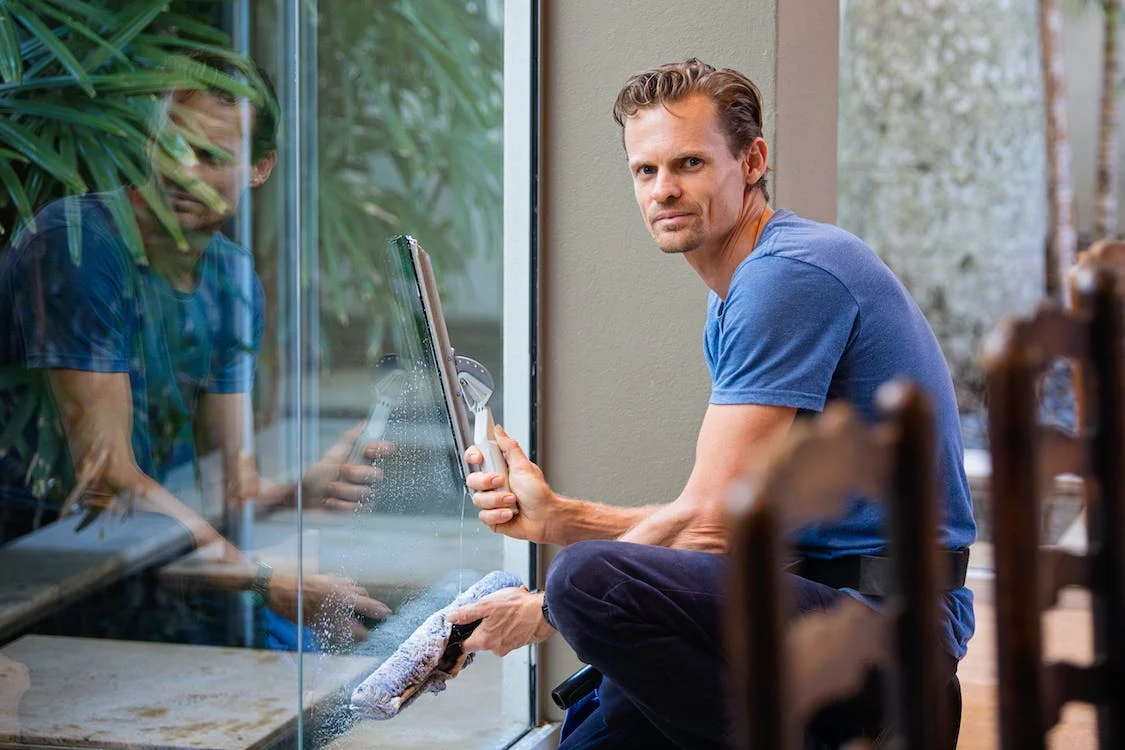
Antique mirrors' delicate nature requires special care when cleaning. To guarantee their beauty and value, use a soft, lint-free cloth and a small amount of mild, non-abrasive glass cleaner. Gently wipe the mirror surface, being careful to avoid the edges where moisture can seep in and damage the backing. Concrete walls may require elastomeric wall paint for expansion and contraction. When cleaning the frame, consider its material. For wooden frames, use a slightly damp cloth with a mild soap solution, then dry immediately to prevent moisture damage. Metal or ornate frames require a dry cloth or, at most, a slightly damp one to avoid water damage. Avoid using harsh chemicals, acids, or abrasives, as these can harm the mirror's delicate silver backing. Before applying any cleaning solution, test it on a small, inconspicuous area to confirm it won't cause damage. Light surface scratches can sometimes be polished out using a non-abrasive metal polish or a paste made of baking soda and water. A cotton swab dipped in clear nail polish can also fill in minor scratches, making them less visible. For deeper scratches, replacing the glass may be necessary, but preserving the original glass is always preferred to maintain the mirror’s historical value. For routine maintenance, simply use a dry cloth to remove dust and fingerprints. If you need to use a cleaning solution, apply it sparingly to your cloth rather than directly on the mirror. After cleaning, dry the mirror thoroughly with a clean, soft cloth to prevent streaks and moisture buildup. Restoring an antique mirror's frame can be as indispensable as maintaining the mirror itself. The process you'll follow depends on what the frame is made of, but generally, you'll start by carefully removing any dirt or grime. Use a gentle cleaning solution appropriate for the material of the frame, whether it's wood, metal, or gilt. If the frame has old paint or varnish, you may need to use a stripper to remove it. Be cautious, as some antique finishes are precious and shouldn't be stripped. Once clean, assess any damage and make necessary repairs. For wooden frames, this might involve filling cracks or regluing loose joints. Metal frames may need polishing or rust removal. Cleaning the frame is pivotal before applying any new finish. Depending on the frame's style and your preference, you might repaint, gild, or apply a protective clear coat. Remember, restoring the frame of an antique mirror is a delicate process. If you're unsure, consult a thorough guide or seek professional help. With patience and care, you can bring an old frame back to its former glory, enhancing the mirror's overall appeal. While frame restoration is pivotal, the mirror's glass often requires equal attention. When addressing mirror glass damage in your antique mirror, first assess the extent of the problem. Examine the surface for cracks, extensive silvering deterioration, or dark spots caused by moisture buildup. If the damage is minimal, you may be able to clean the glass gently with a soft cloth to prevent buildup. However, if you notice significant issues, it's time to ponder professional mirror restoration services. The re-silvering process can restore the silver coat at the back of your antique mirror, addressing problems like de-silvering and discoloration. This delicate procedure involves removing old paint and silver, cleaning the surface, and applying a new silver coating. Due to the use of chemicals and specialized equipment, it's best to employ an expert for this task. In cases of severe damage or extensive cracking, glass replacement might be necessary. Always opt for professional mirror replacement services to guarantee proper handling of your antique piece. Remember, attempting DIY repairs on antique mirrors can often lead to further damage due to their delicate nature. For those intrigued by the re-silvering process, it is vital to understand the intricate steps involved. Re-silvering an antique mirror is a complex procedure that requires proficiency and specialized equipment. The process begins with proper preparation, including stripping existing coatings and thoroughly cleaning the original glass surface. This step is necessary for ensuring the new silver backing adheres correctly. During the re-silvering process, a chemical solution is used to remove the old silver coating from the mirrors surface. Once the glass is prepared, a new, high-quality silver backing is applied in a controlled environment. This process typically takes several hours and demands precision to achieve a uniform, mirror-like finish. When considering antique mirror repairs, it is worth noting that re-silvering isn't a DIY project. The materials used and the skills required make it necessary to consult a professional mirror restoration specialist. After re-silvering, proper care is essential to maintain the beauty of your antique mirror. Avoid harsh cleaners and excessive moisture when cleaning an antique mirror to extend the life of the newly applied silver backing. Proper storage is essential for preserving the beauty and integrity of your antique mirrors. To protect these delicate treasures, you'll need to create a climate-controlled environment away from direct sunlight, high humidity, and extreme temperature fluctuations. This careful approach will help prevent damage to the glass, silvering, and decorative elements of your mirrors. When it's time to move or store your antique mirrors, use archival-quality materials like padded boxes or custom-made crates. These will keep your mirrors secure and protected from impact. Wrap them in clean, lint-free cloths or microfoam to cushion and prevent scratches. Always store your mirrors in an upright position to avoid warping or deformation of the glass and frame over time. Remember to handle your antique mirrors with a delicate touch and inspect them regularly for signs of deterioration. Look for tarnishing, cracking, or loosening of the frame, and address any issues promptly. By taking these precautions, you'll help prevent moisture damage and maintain the condition of your cherished antique mirrors for years to come. When it comes to repairing antique mirrors, you'll often face the dilemma of choosing between professional restoration and DIY fixes. For minor issues, you can tackle some tasks yourself, such as cleaning or light frame refurbishing. However, when dealing with significant damage or antique pieces of historical value, it's best to opt for professional repair services. DIY approaches are suitable for basic maintenance, like using gentle cleaning solutions or preventing moisture from seeping into the frame. But for extensive repairs, you'll want to consult a professional conservator. These experts have the specialized knowledge, tools, and experience to handle complex issues like re-silvering or glass replacement without compromising the mirror's integrity. While professional restoration may seem costly, it's often justified by the mirror's sentimental or monetary value. Experts can assess the extent of damage and determine the most appropriate approach to preserve the beauty and historical authenticity of your antique mirror. Remember, antique pieces require extra care and attention, and attempting complex repairs yourself could lead to irreversible damage. By choosing professional services, you're ensuring your cherished mirror receives the expert treatment it deserves. Preserving the value and authenticity of your antique mirror goes hand in hand with proper maintenance and repair. To maintain its beauty and value, you'll need to carefully clean the mirror without using harsh chemicals or abrasive cleaning agents. Instead, use a soft, lint-free cloth dampened with distilled water to gently wipe the surface. For stubborn spots, a mixture of equal parts white vinegar and water can be effective. When it comes to repairs, always prioritize methods that preserve the mirror's original features. Avoid modern adhesives or materials that could compromise its authenticity. If you're dealing with accidental damage, consult a professional restorer who specializes in antique mirrors. They'll have the knowledge and capabilities to repair the mirror while maintaining its historical integrity. An antique mirror is more than just a reflection—it’s a piece of history that deserves to be preserved. With the right maintenance routine and careful handling, these mirrors can retain their beauty and functionality for decades to come. Whether restoring a faded silver backing, repairing an ornate frame, or simply keeping the glass clean, small efforts go a long way in ensuring that these timeless pieces continue to brighten spaces for generations.Proper Cleaning Techniques
Frame Restoration Methods
Addressing Mirror Glass Damage
Re-silvering Process Explained
Storing Antique Mirrors Safely
Professional Vs DIY Repairs
Preserving Value and Authenticity
Wrapping Up