Tips for Breaking In New Upholstered Furniture
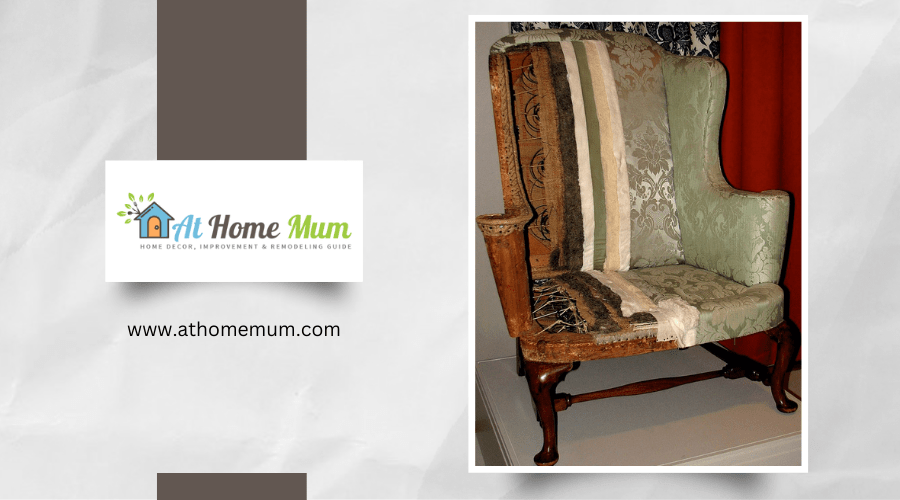
Benjamin D. Esham / Wikimedia Commons, New England easy chair, CC BY-SA 4.0
New upholstered furniture always looks flawless in the showroom. It’s crisp, structured, and sometimes even a little too perfect. But when it finally arrives at home, it can feel stiff, firmer than expected, or just not as comfortable as you imagined. Breaking in new sofas, chairs, or ottomans takes time, but with a few simple tricks, you can speed up the process and turn them into the cozy, inviting pieces you envisioned.
Understand the Break-In Process
Five key factors contribute to the break-in process of new upholstered furniture. First, cushion foam density plays an essential role in determining how quickly your new sofa will feel comfortable. Denser foams typically take longer to adapt to your body shape, while softer materials like goose down break in faster.
Second, the suspension system underneath the cushions needs time to loosen and adjust to your weight distribution. Box springs can extend the life of an innerspring mattress by absorbing shock, while platform bases provide a solid surface for memory foam mattresses.
Third, upholstery break-in involves the softening of initially stiff fabrics or leathers, which become more supple with use.
Fourth, the frequency of use tremendously impacts the break-in period. If you use your new sofa regularly, it'll adapt more quickly than if it's only used occasionally.
Lastly, the overall construction and materials used in your furniture affect the break-in time. Higher-quality pieces may take longer to break in but often provide better long-term comfort.
View this post on Instagram
Now that you understand the break-in process, let's focus on the simplest method to achieve a comfortable feel: regular use. When it comes to breaking in new upholstered furniture, the most natural and effortless approach is to sit on it frequently. This consistent use encourages even wear and tear on the upholstery without any additional effort on your part. For example, a Chesterfield sofa with its distinctive leather and tufted back can be broken in gradually through regular use, allowing the material to mold to your body over time. By sitting on your new pieces often, you'll help the foam and suspension system adapt to your body over time. This is particularly important for furniture in formal living rooms or sitting areas, which may require more frequent use to foster a comfortable, broken-in feel. As you use your new furniture regularly, you'll notice it becoming more comfortable and personalized to your preferences. Don't be afraid to spend extra time on your new pieces, as this will only accelerate the break-in process. Remember, the more you use your upholstered furniture, the quicker it will develop that cozy, lived-in feel you're after. In addition to regular use, rotating cushions frequently is an essential step in breaking in your new upholstered furniture. This practice guarantees that your piece of upholstered seating wears evenly and develops a consistent, comfortable feel across all surfaces. To rotate cushions frequently and effectively, follow these steps: For stiff cushions that need extra attention, massage techniques can markedly speed up the breaking-in process. You can use your hands, fists, or elbows to knead the cushions, working out the stiffness and helping them soften and become more comfortable. Don't be afraid to apply pressure and work the entire surface of the cushion. Another effective method is to place the cushions on the floor and roll on them with your body weight. This distributes pressure evenly across the cushion, helping to break down the rigid foam structure. You can also walk on the cushions in clean socks or barefoot, using your feet to work the foam. Feel free to kick your feet or bounce lightly to increase the impact. Combine these techniques as needed until you achieve your desired level of comfort. You can repeat this process frequently, incorporating massage, kneeling, or rolling whenever you have a few spare minutes. With consistent effort, you'll notice your cushions becoming softer and more inviting. Once you've removed the cushions from your sofa, it's time to give them a good walk-over. This technique is especially effective for breaking in a new couch or any upholstered furniture and mattress. Place the cushions on a clean floor and put on clean socks or go barefoot. As you walk across them, you'll distribute your weight evenly, helping to soften the foam inside. Don't hesitate to invite a friend or family member to join you in this process. The added weight will help break in the cushions more quickly and effectively. Maintain the cushions' positions on your new couch to guarantee they wear evenly over time. While walking on cushions can help break them in, utilizing fabric softening techniques can further enhance the comfort of your new upholstered furniture. Woodstock Furniture upholstery experts recommend several methods to soften scratchy areas and improve overall comfort. One effective technique is to use fabric softener diluted in water. Apply this mixture as a light mist on scratchy spots to help relax the fibers. You can also employ a garment steamer for a similar effect, gently steaming the upholstery to enhance softness. For an instant comfort amplification, consider covering scratchy areas with plush throws or blankets. When caring for your furniture, avoid harsh cleaning products that can stiffen the upholstery. Instead, experiment with natural solutions like beeswax or lemon oil for a gentle touch. Accessories can convert a stiff new couch into a cozy haven. If you've recently purchased a firm sofa from a Furniture & Mattress store in the Metro Atlanta area, don't worry—you can independently select items to enhance its comfort. Throw pillows and blankets are your first line of defense against an unyielding surface. Opt for high-quality, feather-down filled pillows to balance out the firmness and create a plush seating experience. Beyond accessories, modifying the cushions themselves can dramatically improve your sofa's comfort. Even if you've just brought home a brand new sofa from the showroom floor, you might find that the cushions aren't quite as plush or supportive as you'd like. Fortunately, there are several DIY-friendly options to enhance your seating experience without having to buy a new couch. One effective method is to replace your existing cushion fillings with down-filled or down-wrapped foam. This can vastly increase the plushness of your sofa, making it feel more luxurious. If you're looking for added support, consider inserting a custom-sized foam board under the cushions. While many cushion alterations are suitable for DIY enthusiasts, don't hesitate to consult an upholsterer for more complex modifications. They can provide expert advice and guarantee that your cushion alterations are done correctly, maximizing both comfort and longevity. Proper upholstery care is essential for maintaining the beauty and longevity of your new furniture. As you break in your upholstered pieces, it's vital to establish good habits that'll protect your investment for years to come. Start by implementing these key care practices: You'll also want to avoid eating or drinking on your new furniture to minimize the risk of stains. When cleaning, always follow the manufacturer's instructions and use appropriate products for your upholstery type. If you're unsure, test cleaning solutions on a hidden area first. A brand-new sofa or chair isn’t always love at first sit, but with regular use, it becomes the comfortable piece you envisioned. Taking small steps to speed up the break-in process ensures that the furniture adapts to your needs while maintaining its shape and longevity.Sit and Use Regularly
Rotate Cushions Frequently
Massage Stiff Cushions
Walk on Removed Cushions
Utilize Fabric Softening Techniques
Add Comfort With Accessories
Consider Cushion Alterations
Maintain Proper Upholstery Care
Final Thoughts