
Tips for Blocking Drafts Around Your Windows Effectively
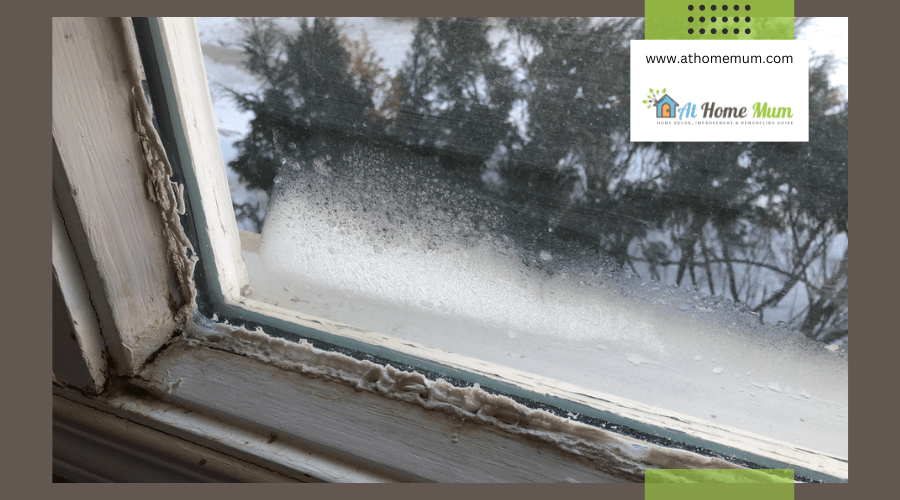
Drafty windows can cause uncomfortable indoor temperatures and higher energy bills. Even well-built homes may develop gaps around windows over time due to weather and wear.
Fortunately, there are practical ways to block drafts and keep your home warmer in winter and cooler in summer. This article offers simple tips to help seal window drafts and improve your home’s energy efficiency.
What are Window Drafts?
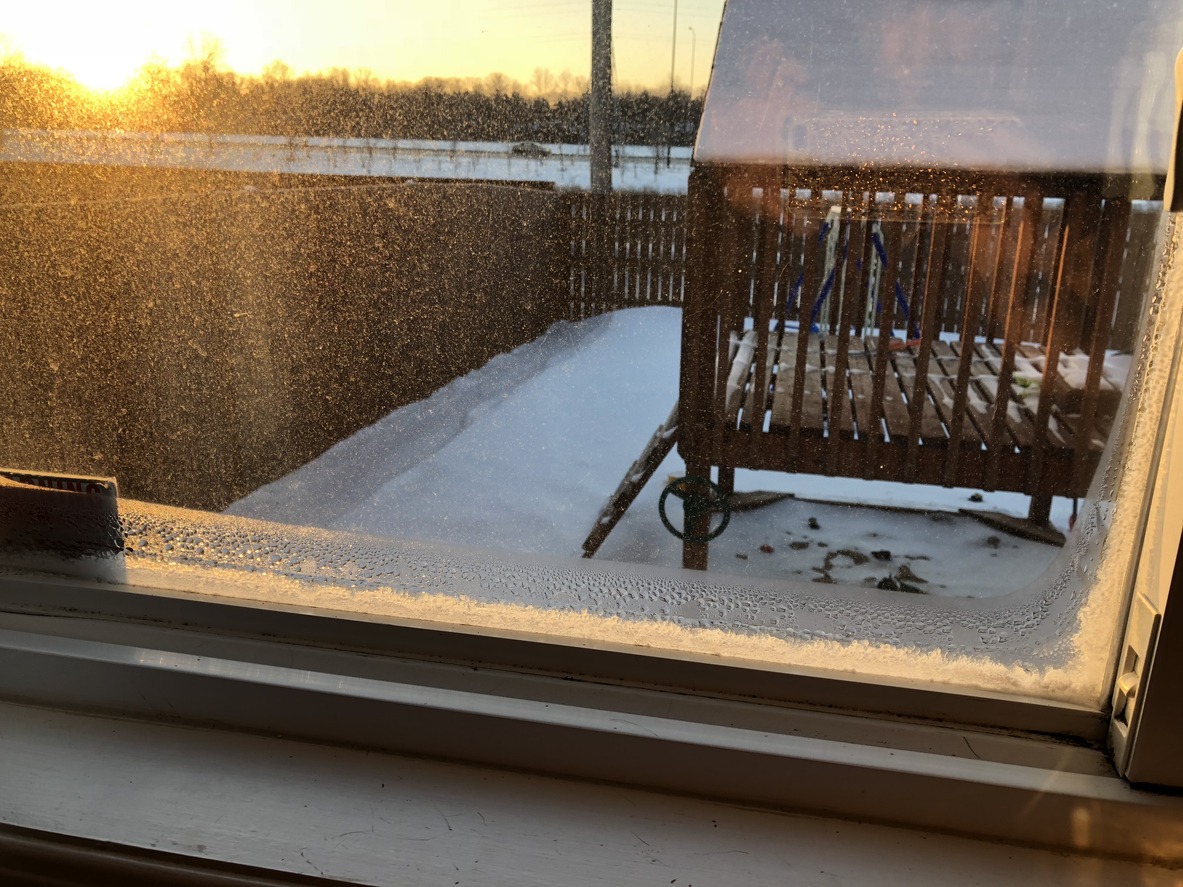
Window drafts occur when unwanted air enters or escapes through gaps around windows. These gaps may form due to aging materials, poor installation, or natural wear caused by changing weather conditions. Drafts allow cold air to seep in during winter and let cool air escape in summer, which makes it harder to maintain a comfortable indoor temperature.
Common signs of window drafts include chilly spots near windows, noticeable air movement, and rising heating or cooling costs. Drafts not only reduce comfort but also increase energy consumption, leading to higher utility bills.
Tips for Blocking Window Drafts
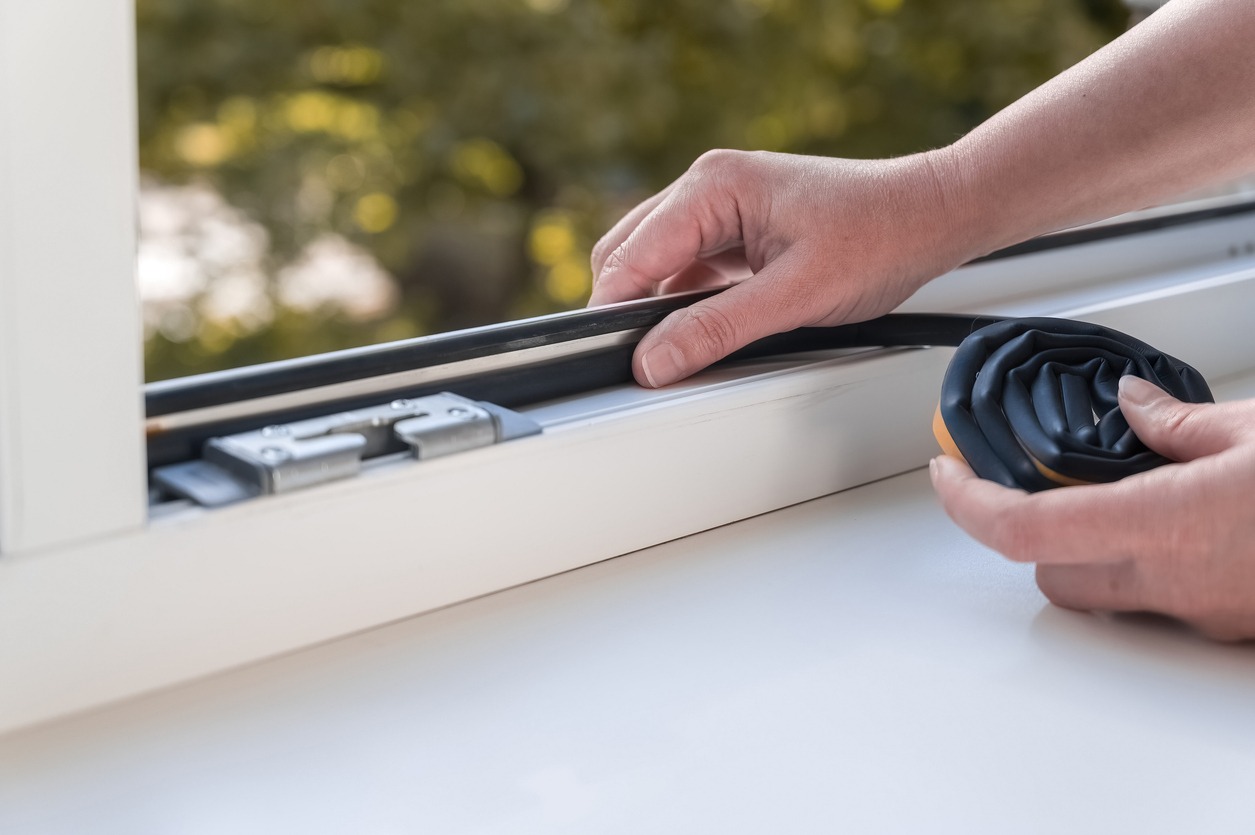
Blocking window drafts helps maintain indoor comfort while reducing energy costs. Simple fixes and affordable products can effectively seal gaps and prevent air leaks. Here are some useful tips for keeping drafts at bay.
Use Weatherstripping
Weatherstripping is one of the easiest ways to seal gaps around windows. It comes in various materials like foam, rubber, and vinyl, making it suitable for different types of windows. Apply it along the edges of window sashes where drafts are most likely to occur.
Replacing old or damaged weatherstripping ensures a tight seal and keeps air from leaking in or out. For the best results, choose a material that fits your window style and climate conditions.
Apply Caulk Around Window Frames
Caulk is ideal for sealing small gaps or cracks around window frames. Use a high-quality, weatherproof caulk for long-lasting protection against drafts. Apply it along seams where the window frame meets the wall or exterior siding.
Inspect the caulk regularly, as it can dry out or crack over time. Reapply as needed to keep windows properly sealed and reduce heat loss during colder months.
Install Window Film
Window film provides an extra layer of insulation by creating a barrier that blocks drafts. It is easy to apply using double-sided tape and heat from a hairdryer to shrink the film tightly over the window.
This option works well for single-pane windows or older windows that lack proper insulation. Window film is a temporary but effective solution, especially during winter.
Use Draft Stoppers or Door Snakes
Draft stoppers, also known as door snakes, are simple fabric tubes filled with insulating material. They are placed along window sills or at the base of doors to block cold air from coming inside.
Choose draft stoppers that match your home’s decor, or make your own using fabric scraps and filling materials like rice or sand. They are a cost-effective way to reduce drafts quickly.
Hang Insulated Curtains or Blinds
Thick, insulated curtains or blinds can reduce drafts while adding a decorative touch. They create a barrier that traps warm air inside and keeps cold air out.
Close curtains at night or during chilly weather to block drafts and retain heat. Open them during the day to let in sunlight, which naturally warms your home.
Additional Maintenance Tips
Regular maintenance helps keep your windows in top condition, reducing drafts and extending their lifespan. Below are additional tips for maintaining your windows effectively:
- Inspect for Damage: Look for cracks, gaps, or broken seals around the window frames. Address issues immediately to prevent air leaks and water damage.
- Clean Tracks and Frames: Dirt and debris can block window tracks and cause seals to wear out. Use a soft brush or vacuum to clean frames and tracks regularly.
- Reapply Caulk When Needed: Old caulk can dry out and crack over time. Remove damaged caulk and apply a fresh layer to maintain a tight seal around window edges.
- Replace Worn Weatherstripping: Check weatherstripping for signs of wear, such as peeling or flattening. Replace it to keep windows properly sealed and draft-free.
- Check Locks and Latches: Properly functioning locks help keep windows closed tightly. Repair or replace faulty locks and latches to improve security and energy efficiency.
- Examine Window Screens: Damaged screens let in bugs and debris. Repair or replace torn screens to keep your home clean and well-ventilated.
- Hire a Professional for Inspections: Consider scheduling a professional inspection every few years. Experts can spot hidden issues and recommend repairs before problems worsen.
Finding Draft-Proof Windows
If your windows still keep having drafts, you may need to install your windows that are resistant or are capable of preventing drafts. Check out these tips for you to easily find draft-proof windows.
Look for Energy Star Certification
Windows with the Energy Star label meet government standards for energy efficiency. This certification means the windows have been tested and approved for reducing heat loss and air leakage. It is a trusted indicator of high-quality, draft-proof windows.
Energy Star windows are designed for different climate zones, so choose the ones rated for your area. This helps maximize energy savings and keeps your home comfortable year-round.
Check the U-Factor and SHGC Ratings
The U-Factor measures how well a window insulates, while the Solar Heat Gain Coefficient (SHGC) indicates how much solar heat it lets in. Lower U-Factor values mean better insulation, while a low SHGC reduces heat gain in warmer climates.
Look for windows with both low U-Factor and SHGC ratings if you live in a region with extreme temperatures. These ratings are listed on product labels, making it easier to compare options.
Choose Multiple-Pane Windows
Double or triple-pane windows provide better insulation by creating air or gas-filled spaces between the glass layers. This design reduces heat transfer and blocks outside noise.
Multiple-pane windows are a smart investment for homes in colder climates. They help prevent drafts and keep indoor temperatures stable throughout the year.
Select Frames with Good Insulation
Window frames play a critical role in preventing drafts. Materials like vinyl, fiberglass, and wood composites offer excellent insulation and resist warping or cracking.
Well-insulated frames create a tight seal that prevents air leaks. Look for frames with built-in thermal breaks, which add extra layers of insulation.
Consider Low-E Glass Coatings
Low-emissivity (Low-E) coatings are thin layers applied to window glass to reflect heat. In winter, they keep heat inside, while in summer, they reduce heat coming in from the sun.
Windows with Low-E coatings help maintain a stable indoor temperature and reduce energy costs. They also allow natural light to enter while minimizing glare.
Conclusion
Blocking drafts around your windows helps create a more comfortable and energy-efficient home. These solutions we provided are affordable and easy to implement with minimal tools or experience. If you have successfully blocked drafts, your windows will have a much easier time maintaining a cozy indoor environment while lowering energy costs throughout the year.