The Importance of Window Placement in New Homes

Jacek Halicki, 2014 Kłodzko, pl. Chrobrego 13 03, CC BY-SA 3.0 PL
Designing a new home involves dozens of decisions, but few have a bigger impact on comfort, energy efficiency, and aesthetics than window placement. The right positioning allows natural light to flood the space, improves ventilation, and even helps reduce energy bills. Poorly placed windows, on the other hand, can lead to overheating, awkward shadows, and a home that feels either too exposed or too closed off.
Architectural Style Considerations
When considering window placement in new homes, it's crucial to factor in the design of the building. Traditional homes often feature symmetrical window arrangements, while modern designs may embrace asymmetry and larger window configurations. You'll want to strike a balance between respecting the architectural style and maximizing functionality.
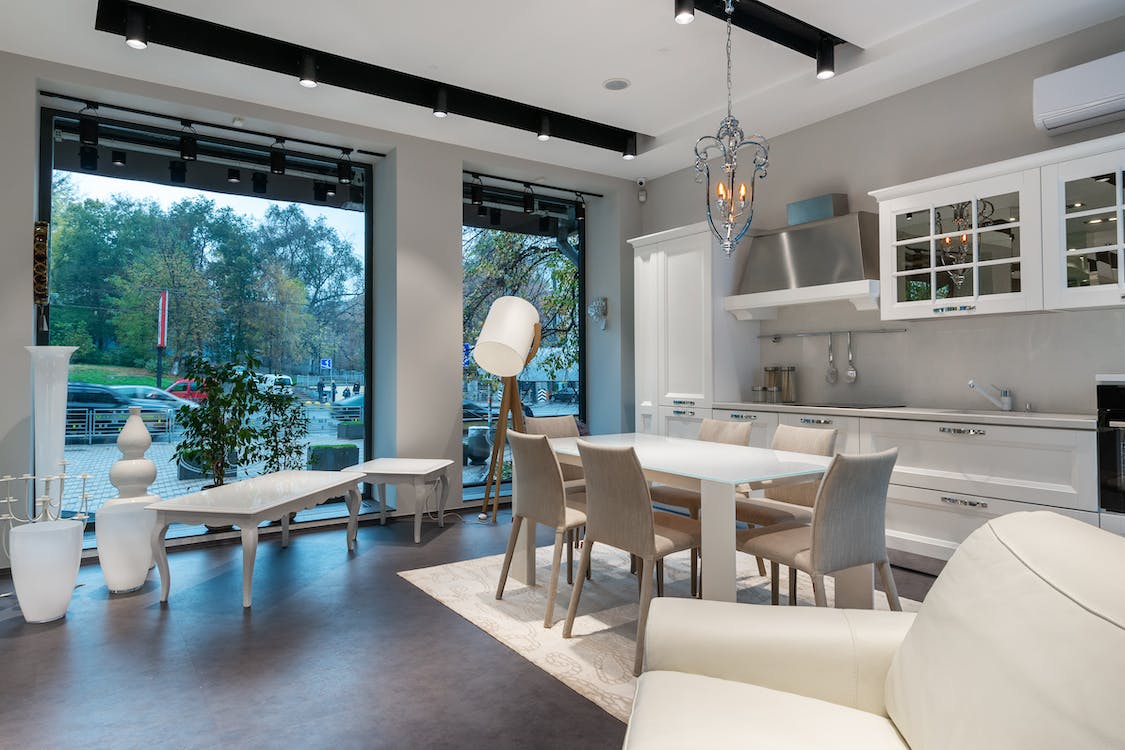
In traditional homes, you might opt for evenly spaced windows on each floor, maintaining a classic aesthetic. For modern designs, you can experiment with oversized images or unique shapes to create visual interest. Don't be afraid to blend elements from both styles to achieve a distinctive look that suits your preferences.
Consider the orientation of your windows to optimize natural light and energy efficiency. South-facing windows can provide ample sunlight and passive solar heating in winter, while north-facing ones offer consistent, glare-free light. If you're fortunate enough to have scenic views, use large windows as focal points to showcase the scenery. For less desirable views, opt for smaller windows to maintain energy efficiency.
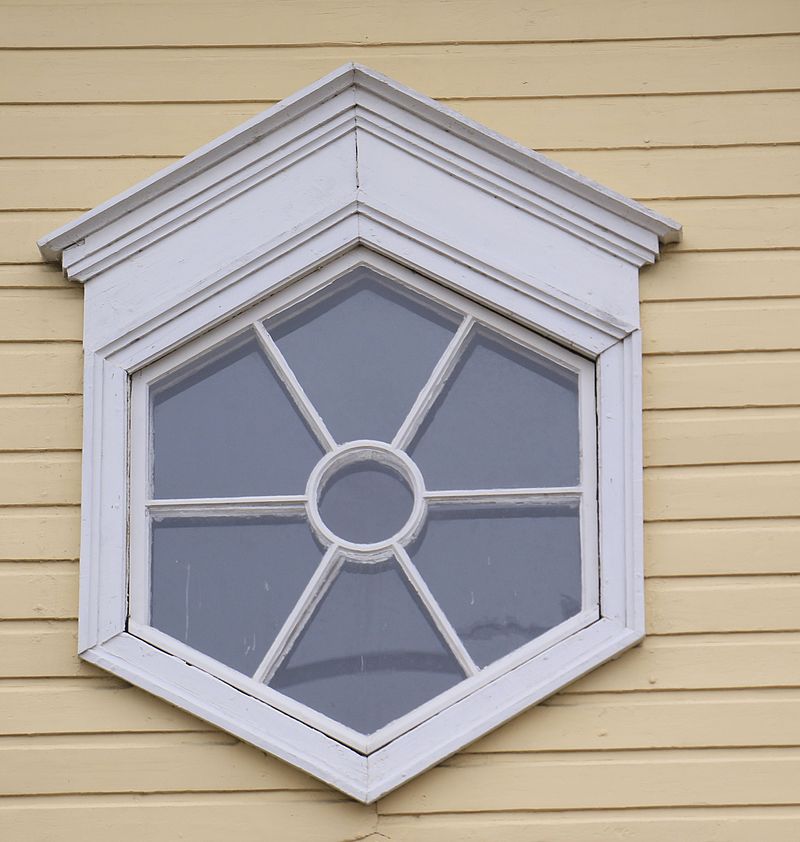
Grigur, Mustosen talon ikkuna 1870 1, CC BY-SA 4.0
Natural Light and Energy Efficiency
Capturing natural light and optimizing energy efficiency are key considerations when planning window placement in your new home. By strategically positioning windows, you'll create a bright, airy living space while reducing energy costs. South-facing windows can provide passive solar heating during winter months, decreasing your reliance on artificial heating systems.
Window orientation plays an essential role in enhancing cross-ventilation, which can minimize the need for mechanical cooling. As you plan your home's interior layout, consider how window size and placement can maximize airflow throughout the space. Energy-efficient windows with appropriate coatings can greatly reduce heat transfer, improving your home's overall energy performance.
When selecting windows, pay attention to their size and orientation to optimize natural light and energy efficiency. Large windows in frequently used areas can flood rooms with sunlight, reducing the need for artificial lighting during the day.
However, be mindful of potential heat gain in warmer climates. By carefully balancing window placement, size, and energy-efficient features, you'll not only enhance your home's appearance but also create a more comfortable and sustainable living environment.
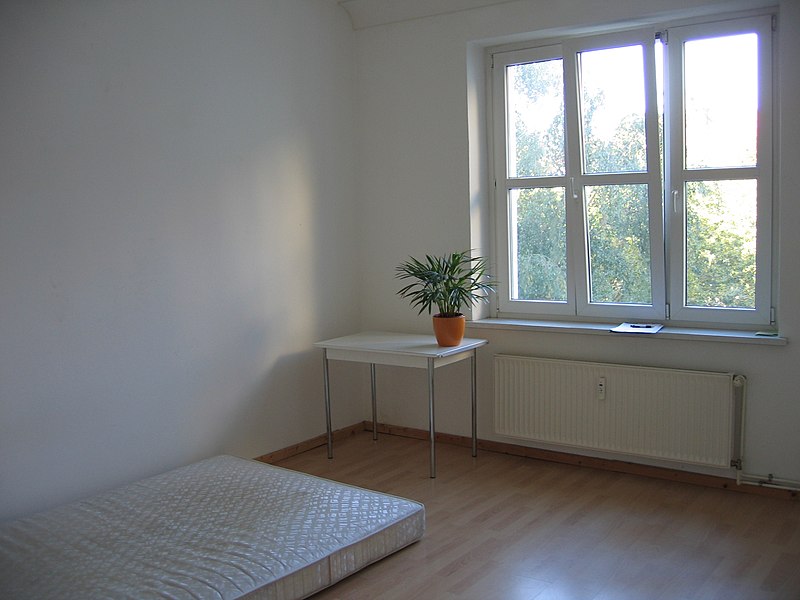
Bleekman, Bleekman zimmer, CC BY 3.0
Window Types and Room Placement
How do you choose the right window type for each room in your new home?
Window placement plays a pivotal role in home design, affecting natural light, ventilation, and architectural features. You'll want to ponder the specific needs of each space when selecting window styles.
For living areas, bay and bow windows can add character and create additional interior space. These window types enhance the room's aesthetic while allowing ample natural light. In kitchens and bedrooms, casement windows offer excellent ventilation and are ideal for catching breezes. They're also easy to operate, making them a practical choice for these frequently used spaces.
Double-hung windows provide versatile ventilation options and are easy to clean, making them suitable for various rooms throughout your home. If you're looking to maintain privacy while maximizing natural light, consider picture windows for areas that don't require ventilation. However, be sure to include operable windows nearby to guarantee proper air circulation.
Common Placement Mistakes to Avoid
Homeowners often make indispensable mistakes when deciding on window placement in their new homes. You might be tempted to place windows too close together or near corners, but this can create structural issues and limit your furniture arrangement options. It's essential to contemplate the sun's path when positioning windows, as overlooking this can result in rooms that are uncomfortably bright or hot, compromising privacy in bathrooms and bedrooms.
Don't underestimate the importance of consulting professionals when modifying or adding windows. Failing to do so can lead to non-compliance with building codes and compromise your home's architectural integrity. Additionally, ignoring the structural integrity of walls when altering window placement can result in costly problems down the line.
Pay special attention to egress windows, as improper placement can create safety concerns and violate local building codes. Remember, windows are more than just sources of natural light; they're integral to your home's design and functionality.

Neoclassicism Enthusiast, Window of a lateral façade of the Romanian Athenaeum, on Strada Benjamin Franklin (Bucharest, Romania), CC BY-SA 4.0
Legal and Safety Requirements
When it comes to window placement in new homes, legal and safety requirements are paramount. Building codes often mandate minimum window sizes, particularly for bedrooms. These egress windows are imperative for emergency escape and firefighter access, guaranteeing the safety of occupants. Identifying Serious Cracks in walls can also signal structural issues that may impact window placement.
You must pay close attention to size requirements and sill height for egress windows to comply with safety regulations. It is fundamental to confirm that at least one bedroom window meets these standards, as failing to do so can lead to costly repairs or legal issues down the line. Improper soil compaction during construction can contribute to settling and affect window placement as well.
Don't underestimate the significance of consulting professionals when planning window placement. They can help ensure your home meets local building code requirements while maintaining structural integrity. Remember, windows aren't just about aesthetics; they play a pivotal role in your home's safety.
Professional Consultation Benefits
Building on the importance of safety and legal compliance, seeking professional consultation for window placement offers numerous advantages. When you're planning a new home or home renovation, hiring a professional designer is essential for optimum window placement. They'll guarantee your new windows meet building codes, maintain structural integrity, and maximize energy efficiency.
Experts can provide valuable insights into the latest window technologies and design trends, enhancing your home's aesthetics and functionality. They'll help you place windows that complement your home's architecture while considering factors like prevailing wind and natural light. Customized windows can be properly positioned to create a unique and functional living space.
Professional consultants can handle the permitting process and coordinate with other contractors, saving you time and potential headaches. Their expertise is particularly valuable when dealing with complex structural changes or unique architectural challenges.
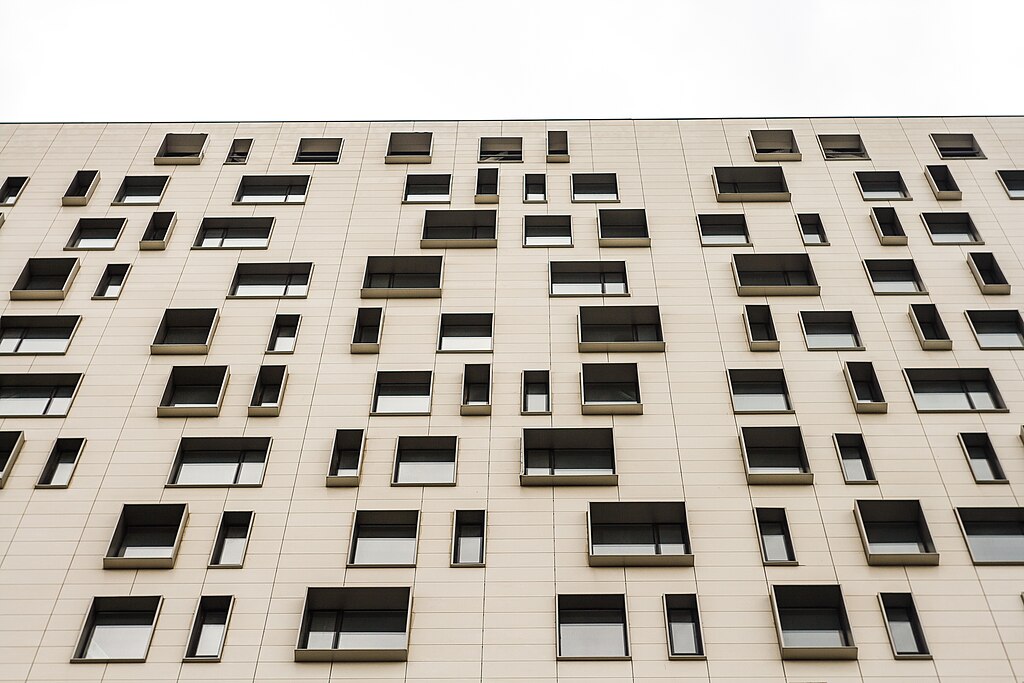
Paul Chiorean from Bucharest, Romania, Windows (7004083002), CC BY 2.0
Wrapping Up
Windows do more than just provide a view—they shape how a home feels, functions, and performs over time. Proper placement enhances natural light, improves airflow, increases energy efficiency, and maximizes the connection between indoor and outdoor spaces.