The History of Cushions and How They Became a Home Essential
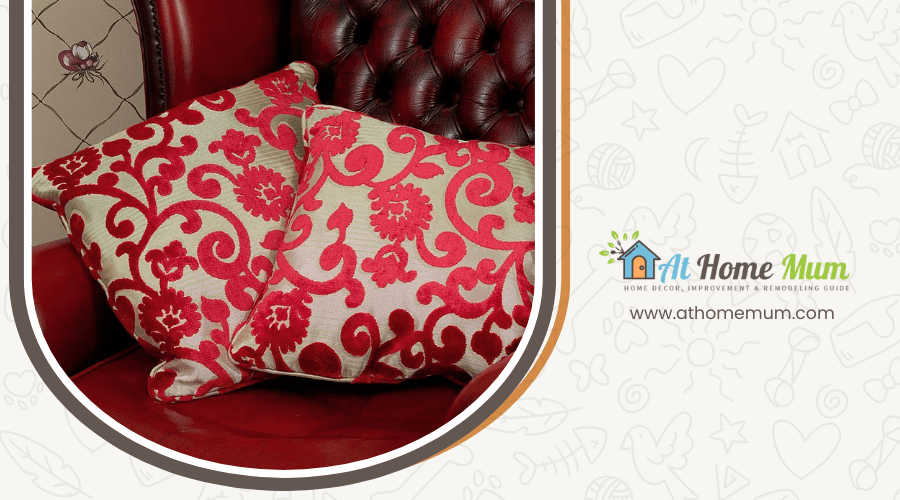
Markjones959, Throw Pillows (Scatter Cushions), CC BY-SA 4.0
Cushions may seem like simple household items, but their history stretches back thousands of years. What started as a luxury reserved for royalty has transformed into a universal comfort found in homes worldwide. Over the centuries, cushions have adapted to cultural changes, design trends, and even technological advancements. While they still serve their primary purpose of providing comfort, their materials, shapes, and styles have shifted dramatically through time.
Ancient Origins of Cushions
Almost every cushion you encounter today has ancient roots stretching back thousands of years. The story of cushions begins in early Mesopotamian civilizations around 7,000 BC, where they were more than just comfort items. These ancient cushions served as symbols of wealth and social status, indicating the owner's affluence and position in society.
As civilizations developed, so did the use and design of cushions. In ancient Egypt, you'd find cushions and headrests made of wood or stone. These weren't just for comfort; they served practical and religious purposes, often placed under the head during sleep or in burial practices. Meanwhile, in China, cushions evolved from hard bamboo or ceramic headrests. To increase comfort, these were later wrapped in fabric, marking a significant step in cushion design.
Across these ancient civilizations, cushions weren't just functional items. They also showcased artistic and cultural preferences, serving as decorative pieces in homes. The materials used, from wood and stone to fabric and ceramics, reflected the resources available and the craftsmanship of each culture, highlighting how cushions have always been intertwined with human innovation and societal development.
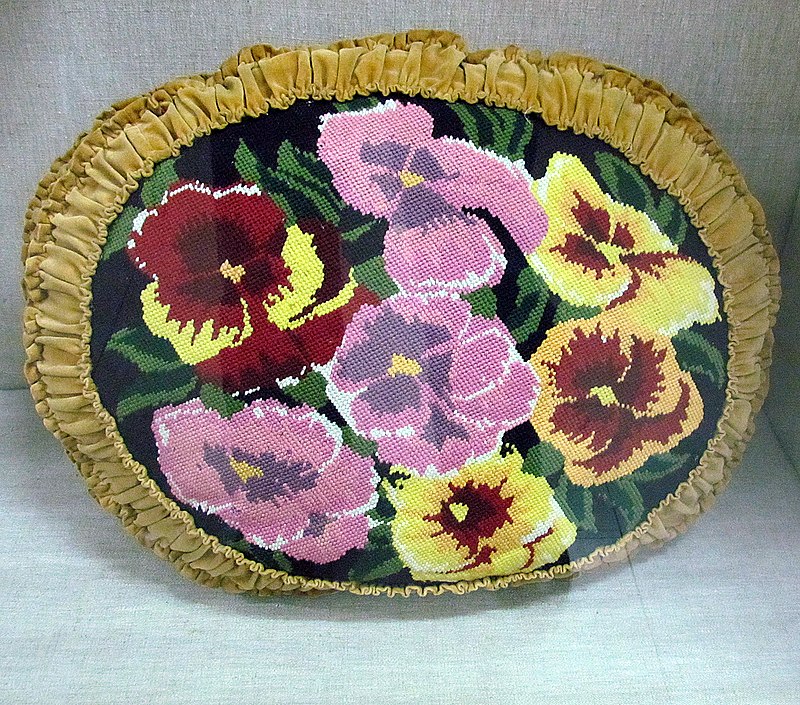
Gmihail at Serbian Wikipedia, Украсни јастук музеј историје југославије, CC BY-SA 3.0 RS
Medieval and Renaissance Cushion Covers
Cushion-cover craftsmanship reached new heights during the medieval and Renaissance periods in Europe. You'd find these decorative items adorning the grand halls and bedrooms of nobility, showcasing the owner's wealth and refined taste. Luxurious fabrics like velvet, silk, and brocade were commonly used, transforming simple cushions into symbols of status. Utilizing cushions saves money and improves overall home interior appearance.
During the Renaissance period, cushion covers became even more elaborate. Artisans created intricate embroidered scenes depicting mythology and religious stories, showcasing the artistic talents of the time. As trade and textile production increased, these opulent designs became accessible to a wider audience.
The rising middle class eagerly accepted this trend, incorporating ornate cushion covers into their homes to emulate aristocratic style.
As cushion covers evolved from practical items to decorative masterpieces, they became an essential element in both medieval and Renaissance interior design, reflecting the cultural and artistic values of their time.
Industrial Revolution's Impact
The Industrial Revolution ushered in five major changes that altered the world of cushions. First, advancements in textile manufacturing and mass production made cushions more affordable and accessible to the broader public. You'd no longer need to be wealthy to enjoy these luxurious home accessories.
Second, new materials like cotton and synthetic fibers expanded cushions' role in home decor. These modern fabrics allowed for more diverse designs and uses, transforming cushions from mere luxury items to essential decorative elements.
Third, the growing middle class plunged into cushions as a way to add style and comfort to their living spaces. You'd often see cushions adorning sofas and chairs in homes across social classes.
Fourth, improved printing technology enabled the creation of intricate patterns and vibrant colors on cushion covers. This advancement reflected evolving design trends and allowed you to express your personal style through your choice of cushions.
Lastly, synthetic materials like polyester revolutionized cushion production. These durable fabrics allowed for creative designs that catered to diverse tastes, making it easier for you to find the perfect cushion for your home.
View this post on Instagram
Bursting with creativity, the 20th century ushered in a design renaissance for cushions. As the Industrial Revolution's impact faded, new technologies and materials emerged, altering these once-functional items into essential decorative elements. You'd witness an explosion of colors, patterns, and textures as designers embraced the possibilities of modern manufacturing. These developments allowed designers to experiment with bold designs, reflecting the art movements like Art Deco and Pop Art. Cushion covers became canvases for artistic expression, mirroring the changing aesthetic sensibilities of the time. Bamboo can be used as a decorative element to create an aura of Zen and harmony, and this nature-inspired material became a popular choice for cushions as well. As the middle class grew, so did the demand for stylish home decor. Pillows evolved from simple comfort items to statement pieces in Modern Design. You'd find intricate patterns and lively hues adorning living rooms across the globe, as cushions became integral to interior design schemes. This transition marked a significant shift in how people viewed and used cushions, cementing their role in 20th-century home decor. Frequently adapting, modern cushion trends reflect our ever-changing tastes and lifestyles. You'll find that today's cushions offer a perfect blend of quality and affordability, thanks to advancements in textile production and mass production techniques. Natural materials like cotton and linen have made a comeback, gracing cushion covers with their timeless appeal. While organic fillings such as soft feathers remain popular, synthetic options continue to provide practical alternatives. Contemporary designs now allow you to effortlessly update your home decor with cushions. They're an easy way to inject color and definition into any room, reflecting your personal style. Design trends have embraced customization, enabling you to celebrate specific occasions like Halloween or Christmas with themed cushions. Digital printing has revolutionized the industry, offering endless possibilities for patterns and images on cushion covers. Different cultures have embraced cushions in unique ways. In Japan, floor cushions known as zabuton have been used for centuries, reflecting traditional seating arrangements. Middle Eastern homes feature large, decorative floor cushions, often arranged in seating circles for social gatherings. In Morocco, handwoven cushions made of colorful textiles add warmth to living spaces. These cultural variations highlight how cushions serve both practical and aesthetic purposes across different regions. Throughout history, cushions have adapted to changing lifestyles, design trends, and technological advancements. What began as a symbol of wealth has become a household staple, blending comfort, style, and function. As design continues to evolve, cushions will remain an essential part of homes worldwide, proving that even the simplest items can have a long and fascinating history.Twentieth Century Design Renaissance
Modern Cushion Trends
The Cultural Influence of Cushions Around the World
Wrapping Up