The Decluttering Guide Before A House Move
Before you move, go through your possessions and discard anything you don't need. There's more to decluttering before a move than merely organising and cleaning your belongings. You'll feel better and lighter after you're done. We'll make everything easier, and cleaning and packing will be a lot faster. This reduces stress and gives you more free time in the long run.
Before the big move, decluttering your home might help reduce anxiety. Clutter makes packing and unpacking hard. It can also weigh you down.
This guide will help you declutter properly before relocating, which will ease the transition to your new home.
Start Early
Begin the decluttering process well in advance of your moving date. Starting early gives you plenty of time to sort through your things. This keeps you from feeling rushed or overwhelmed. You should set aside some time each day or week to work on your home. Start with less-used spaces like the attic or garage.
Starting early also lets you approach decluttering with a clear mind. It'll help you decide what to donate, throw away, or keep. It's best to declutter over a few weeks or months. This can assist you in avoiding mistakes and becoming overtaken by the sheer number of things in your house. Plus, if you start early, you can ask friends or family for assistance. It makes the task easier.
Assess Your Belongings
Evaluate each item in your home. Ask if it's worth keeping, donating, selling, or discarding. Consider factors such as sentiment, how often you use it, and practicality in your new home. Be ruthless in your decisions. This will keep you from bringing unneeded items to your new space.
As you assess your things, make a checklist. It will help you track what you've sorted and what needs attention. This can help prevent you from overlooking items. It can stop you from feeling like you're spinning your wheels as you declutter. Also, note any items that need special packing or handling. This is due to their fragility or size.
Sort by Categories
Sort everything into categories like kitchenware, gadgets, clothes, and books. Then you can focus on one thing at a time. Decluttering is so much easier then. Sort through each category. Set up separate piles for keeping, donating, selling, and throwing away.
It's great for deciding what to keep and what to get rid of. Also, sorting by categories lets you find duplicates or items that serve the same purpose. It helps you make better decisions about what to keep or discard.
Declutter Room by Room
Approach decluttering methodically by working on one room at a time. Take care of the least frequented spaces first, including spare bedrooms or closets. Proceed to areas that are used more frequently, such as the living room and kitchen. To keep yourself on track and sustain momentum, set reasonable goals for each space.
The best way to prevent being overwhelmed while trying to clean everything at once is to declutter each area separately. Breaking down the process of decluttering into smaller, more achievable tasks could make it easier.
Apply the Four-Box Method
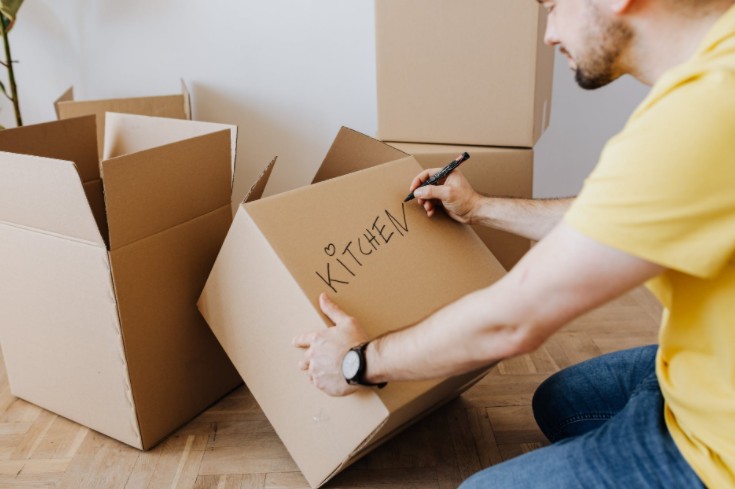
You can declutter by using the four-box method. Sort your stuff into four boxes or bags - keep, donate, sell, and discard. As you go through each room, put items into the box that matches your decision. This method helps streamline decluttering. It ensures that each item is dealt with quickly.
The four-box method helps you sort items quickly. It also forces you to decide about each item. This can help you if you tend to struggle with indecision or sentimentality. Assign each item to a specific box. This lets you avoid second-guessing and work faster.
Consider Storage Solutions
It might be worth it to rent temporary storage if you have stuff you don't want to part with but won't be using right away. You can securely store belongings by using portable containers or renting a storage space. You can keep them there until you're ready to revisit your decision.
Storage solutions are helpful for items with sentimental value. They are also helpful for seasonal items that you may not need all year. It's easier and less stressful to move house with a company that helps with removals and storage. However, be picky about what you store. Avoid just delaying the decision to declutter. Consider whether storing the items is worth the cost and effort.
Dispose of Household Waste Responsibly
Recycle, donate, or appropriately dispose of unneeded objects to ensure environmental responsibility. Consider local donation centres. Think about online marketplaces or charity stores as well. This is for things that are still functional in your home but are no longer in good condition. Examine environmentally acceptable disposal choices for objects that cannot be repurposed or reused. These options minimise harm to the environment.
Whenever you get rid of unwanted items, make sure you check your local recycling and disposal rules. This ensures you're following proper procedures. Many communities offer recycling programs. They take electronics, textiles, and other common household items. These programs make it easier than ever to dispose of unwanted items responsibly. Take time to research disposal options. This can cut waste and help protect the environment while moving.
In Conclusion
Decluttering before moving is crucial. It simplifies the relocation and starts your new home fresh. Follow these step-by-step guidelines. Stay organised throughout the decluttering. Then, you can streamline packing, reduce stress, and start your new chapter clutter-free. Embrace the chance to let go of extra things. Embrace a minimalist lifestyle as you start this exciting journey.