The Advantages of Adding a Storm Door to Your Home
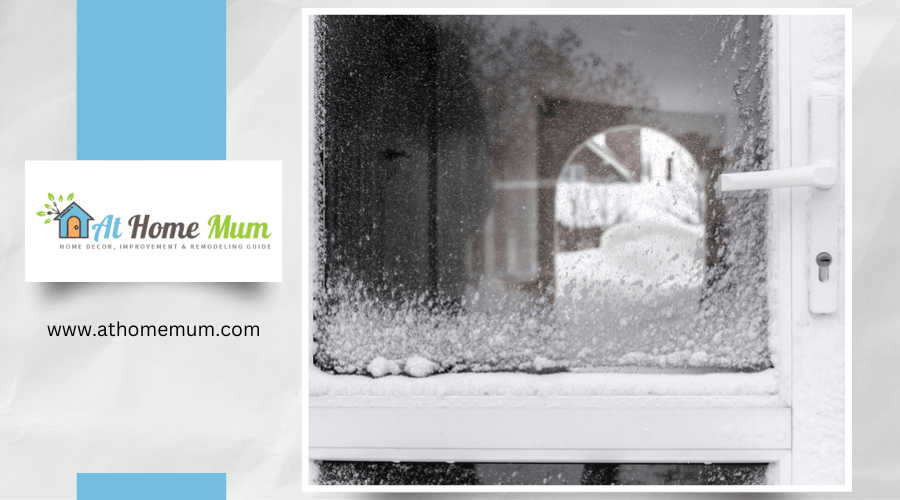
Adding a storm door to your home offers more than just an extra entryway, as it also provides a practical layer of protection and enhances the comfort of your living space.
Storm doors have become a popular addition among homeowners who want improved energy efficiency, increased security, and a touch of style. Let us find out exactly why installing a storm door is a smart investment for your home.
What is a Storm Door?
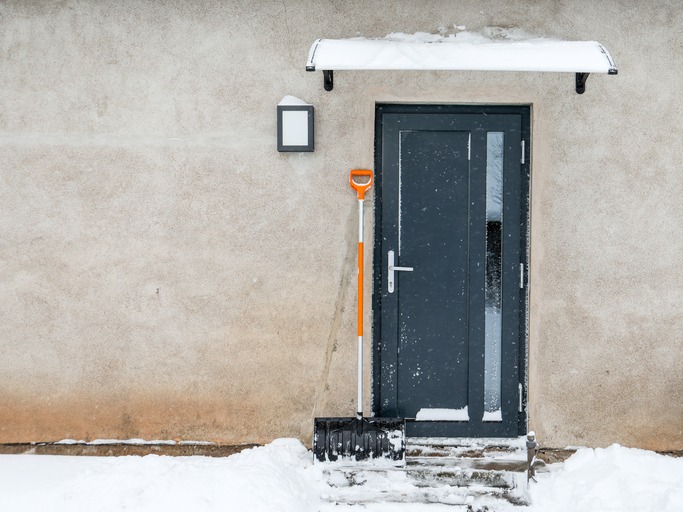
A storm door is an additional outer door that is installed in front of your main exterior door. It serves as a protective barrier against harsh weather conditions, such as rain, snow, and strong winds.
Storm doors are often made with durable materials like aluminum, steel, or vinyl and are fitted with glass panels or screens. These features help keep your main door safe from damage while allowing ventilation when needed. Homeowners often choose storm doors to improve energy efficiency by adding insulation and to create an extra layer of security.
The Benefits of Having a Storm Door
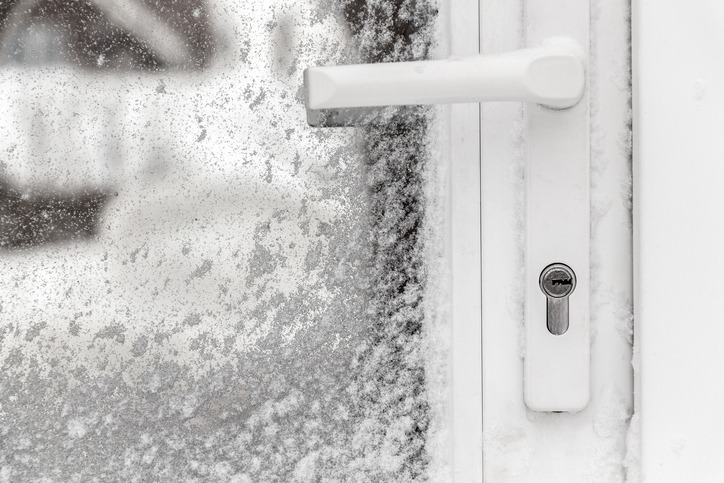
Adding a storm door to your home comes with several practical advantages. These are some of the important benefits that make a storm door worth considering.
Improved Energy Efficiency
A storm door helps create an extra layer of insulation for your home. By trapping a pocket of air between the main door and the storm door, it reduces the amount of heat or cold that enters or escapes. This helps your heating and cooling systems work more efficiently and can lower energy bills over time.
Storm doors often come with adjustable glass panels that allow you to switch between full or partial ventilation. During mild weather, you can keep the main door open and use the storm door to let in fresh air without letting out too much heat or cold. This helps regulate your home’s temperature more effectively.
Many storm doors are designed with energy-efficient materials and features, such as low-emissivity (low-E) glass. Low-E glass reflects heat while allowing natural light to pass through. This means you get the benefit of bright spaces without losing warmth during cooler months.
Enhanced Security
A storm door adds an additional layer of protection for your home. It serves as a physical barrier that can deter potential intruders. Many storm doors are equipped with strong frames and reinforced locks, which makes it more difficult for anyone to gain access to the main entry.
Having a storm door with a reliable locking system increases peace of mind. You can open the main door to talk with someone outside while keeping the storm door locked. This feature is particularly useful for maintaining safety when answering the door for strangers.
Some storm doors even come with shatter-resistant glass or heavy-duty screens. This type of construction adds to the overall security by making it harder for the door to be damaged or forced open. The added layer can give you more confidence in the safety of your home.
Better Ventilation and Natural Light
Storm doors provide an easy way to bring in fresh air and natural light. Many models come with retractable or adjustable screens, allowing you to control airflow. During warm months, you can slide the glass panels down to let in a breeze to help ventilate the house without opening the main door.
Letting more natural light into your home is another benefit of a storm door. It can brighten up entryways and other indoor spaces. This feature is especially helpful for homes with limited windows or darker interiors. You get the effect of a more welcoming and open space without compromising security.
Choosing a storm door with a glass design lets you enjoy sunlight while still maintaining a barrier to the outside. This combination helps you make the most of daylight hours without leaving your main door exposed to weather conditions or potential damage.
Protection for Your Main Door
A storm door acts as a shield for your main door. It helps protect the primary door from harsh weather, like rain, snow, and strong winds. This protection extends the lifespan of your main door, as it is less exposed to damage such as warping, fading, or rust.
Having a storm door can also save on maintenance costs for your main door. Fewer repairs or replacements are needed when the main door is shielded from the elements. This means you maintain the appearance and structural integrity of the main entryway for longer periods.
In addition, storm doors can reduce the amount of dirt and debris that reach the main door. The outer door acts as a filter that catches leaves and dust before they hit the main entry. This added layer keeps the main door looking clean and reduces wear and tear over time.
Installing a Storm Door
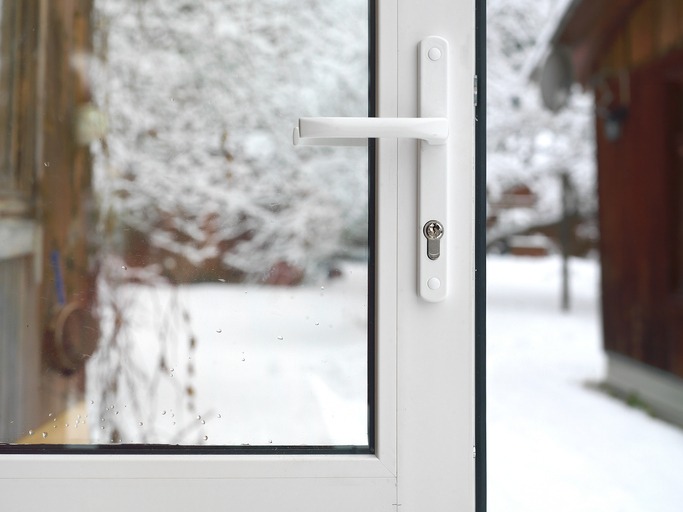
Installing a storm door can be a manageable project for those with basic DIY skills. Here is a step-by-step guide to help you through the process.
- Measure the Door Frame: Start by measuring the height and width of your door frame to make sure you get the right-sized storm door. Measure at three points: top, middle, and bottom, and use the smallest measurement for your door. Proper sizing is key for a secure and functional fit.
- Prepare the Door Frame: Check that the door frame is level and clean. Remove any old hardware, nails, or debris that might get in the way. Fill any holes or cracks with wood filler if needed and allow it to dry. This step helps create a smooth surface for mounting the storm door.
- Install the Hinges: Attach the hinges to the storm door following the manufacturer’s instructions. Some doors come with pre-drilled holes for easier installation. Align the door in the frame and secure the hinges to the frame with screws. Make sure the door swings open and closes without any resistance.
- Secure the Door Frame: With the storm door in place, use screws to secure it to the main door frame. Start with the top and bottom screws to hold the door steady, then secure the middle section. Tighten the screws without over-tightening to avoid damaging the frame.
- Attach the Door Handle and Lock: Install the handle and locking mechanism based on the instructions provided. This step may require drilling holes if the door does not come with pre-cut spaces. Make sure the handle and lock align properly for a secure closure.
- Install the Closer: Mount the door closer at the top of the storm door. It usually attaches to both the door and the frame. Adjust the tension on the closer so that the door shuts at a controlled speed. This prevents slamming and helps prolong the life of the door.
- Check for Proper Operation: Open and close the storm door to check that it operates smoothly. Make any necessary adjustments to the hinges or closer to make sure everything functions properly. Confirm that the handle and lock work securely before considering the project complete.
Conclusion
With the advantages we have listed above, it is apparent that a storm door can add value to your home and improve your overall living experience. Taking the time to choose and install the right storm door can bring long-lasting benefits that make your home more comfortable and secure.