Spring Cleaning Tips to Get Your Windows Ready for Warmer Weather

Spring is the perfect time to refresh your home and prepare for the sunshine ahead. Windows are often overlooked during cleaning routines, yet they play an important part in brightening up your space.
With a little attention and effort, you can get your windows spotless and ready to welcome the warmer weather. Here are spring cleaning tips to get your windows ready for warmer weather.
Gather Essential Cleaning Supplies
Having the right tools is the first step to successfully cleaning your windows. A few basic items will help you get the job done quickly and effectively. Here’s a list of what you’ll need and why each one is important:
- Bucket: Use this to hold water and cleaning solutions. It keeps everything in one place and reduces the need to keep refilling.
- Glass Cleaner or Vinegar and Water Mixture: These solutions are designed to cut through grime and leave windows streak-free. Vinegar is an eco-friendly option that works well on dirt and smudges.
- Squeegee: This tool is essential for removing excess water. It prevents streaks and helps dry the windows evenly.
- Microfiber Cloths: These are great for wiping and drying. They are soft and won’t scratch glass, making them perfect for a clear finish.
- Soft-Bristled Brush: Use this to loosen dirt or debris stuck around window frames and edges before cleaning the glass.
- Extension Pole or Step Stool: These help you reach higher windows safely and without straining.
With these supplies, you’ll be ready to tackle even the toughest window cleaning tasks.
Prepare Windows for Cleaning

Before you start cleaning, it’s important to prepare your windows properly. Start by removing any curtains, blinds, or decorations around the window area. This gives you full access to the glass and frame while allowing you to clean every part thoroughly.
Dust or vacuum the window sills and tracks to get rid of loose dirt and debris. Skipping this step could lead to smudges or streaks when you clean the glass.
Check the condition of your windows as you prepare them. Look for cracks, loose seals, or peeling paint that might need attention before cleaning. If there’s any sticky residue, such as tape or stickers, use a plastic scraper or a cloth soaked in warm soapy water to gently loosen it. Taking these steps before you start cleaning helps the process go smoothly and gives you the best results.
Clean Interior Window Surfaces
Cleaning the interior surfaces of your windows starts with removing dust and dirt. Use a microfiber cloth or a duster to wipe down the glass, frames, and sills. This step prevents loose particles from turning into streaks once you apply cleaning solutions. Pay extra attention to the corners and edges where dirt tends to collect.
Apply your chosen glass cleaner or a mixture of vinegar and water directly to the window. Spray enough to cover the surface but avoid over-saturating it. Use a clean microfiber cloth or a paper towel to wipe the window in a circular motion. This helps lift grime and streaks effectively. For larger windows, work in sections to prevent the cleaner from drying before you wipe it off.
Once the surface looks clean, use a squeegee to remove any excess liquid. Start at the top of the window and pull the squeegee down in straight lines, slightly overlapping each stroke. Wipe the squeegee blade with a cloth after each pass to avoid streaks. Finish by drying the edges of the window with a microfiber cloth to leave it clear and spotless.
Tackle Exterior Window Cleaning
Exterior windows often collect more dirt and grime than interior ones, so they need a little extra attention. Begin the process by rinsing the windows with a hose to remove loose dirt and debris. This step prevents scratching the glass when you begin scrubbing. If you don’t have a hose, use a bucket of water and a soft-bristled brush to gently wash away surface dirt.
Mix a cleaning solution of water and dish soap in a bucket. Use a sponge or a soft brush to scrub the windows, focusing on areas with stuck-on grime or spots. Work methodically to cover the entire surface without leaving gaps. Rinse the windows thoroughly with clean water to remove soap residue, as it can leave streaks if it dries on the glass.
Utilize a squeegee to dry the windows after rinsing. Start at the top and pull it down in even, straight strokes. Wipe the squeegee blade with a clean cloth after each pass to avoid streaking. For hard-to-reach windows, use an extension pole or ladder, but take safety precautions. After drying, wipe the edges with a microfiber cloth to catch any remaining water.
Remove and Clean Window Screens
Window screens often trap dust, pollen, and dirt, so it’s important to clean them thoroughly. Start by carefully removing the screens from the windows. Lay them flat on a clean surface, like a tarp or driveway, to avoid bending or damaging them. Use a vacuum with a brush attachment to gently remove loose debris from both sides of the screen.
Mix a solution of warm water and mild dish soap in a bucket. Use a soft-bristled brush or sponge to scrub the screens lightly, working in small sections. Rinse them with a garden hose, holding it at an angle to avoid pushing dirt deeper into the mesh. Let the screens air dry completely before placing them back on the windows. Cleaning the frames with a damp cloth before reinstalling them keeps everything looking fresh and tidy.
Inspect for Damage and Repairs
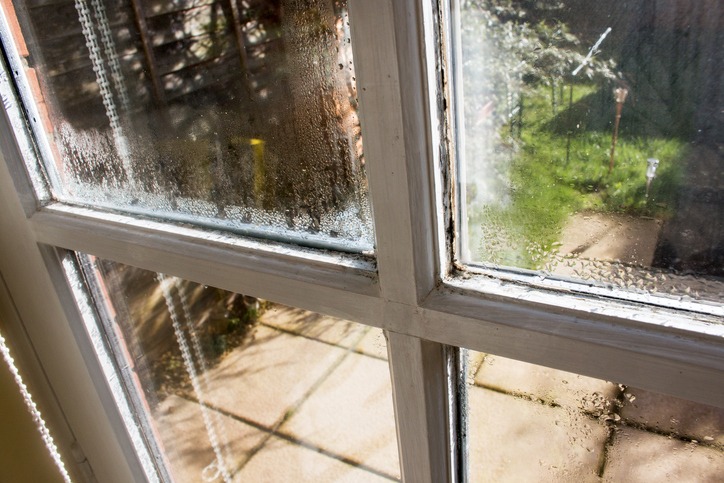
Checking your windows for damage should be done regularly to keep them in good condition. Look for cracks in the glass, loose seals, or broken hardware like locks and hinges. Inspect the window frames for signs of rot, warping, or peeling paint. Even small issues should be addressed early to prevent them from worsening over time.
If you find damaged areas, take steps to repair them as soon as possible. Replace cracked glass or torn weatherstripping to improve insulation and safety. Tighten or replace any loose hardware to keep the windows functioning properly.
For minor frame repairs, use wood filler or touch-up paint to protect against further wear. Keeping your windows well-maintained helps them last longer and stay effective year-round.
Conclusion
Clean windows brighten your home and let you enjoy the sunlight and views as warmer weather arrives. Taking the time to prepare, clean, and maintain your windows helps them look their best and function properly.