
Leather vs. Fabric Upholstery: Which Is Best?
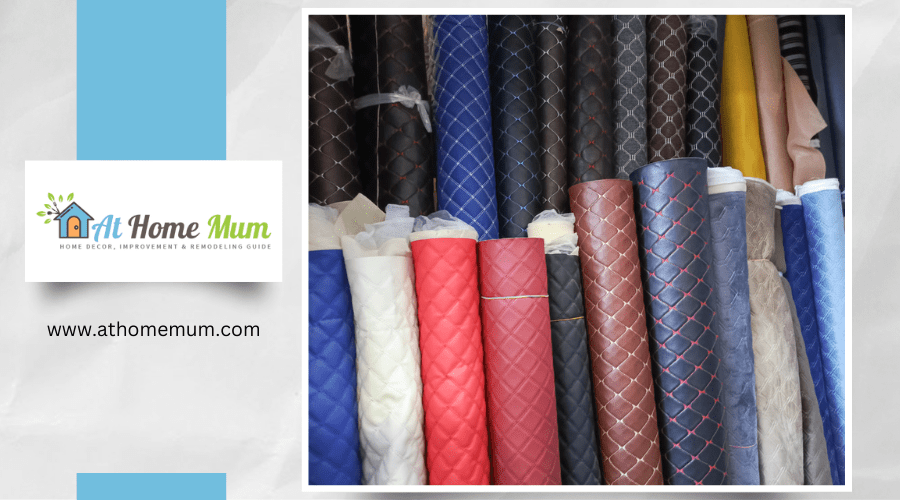
When choosing between leather and fabric upholstery, it’s essential to understand what sets them apart. Each option offers unique benefits and challenges that can influence comfort, durability, and style.
Leather often stands out for its sleek appearance and easy maintenance, while fabric appeals with its warmth and versatility. The decision comes down to personal preference, lifestyle, and budget. This article breaks down the key factors to help you decide which material suits your needs best.
Understanding Leather and Fabric Upholstery
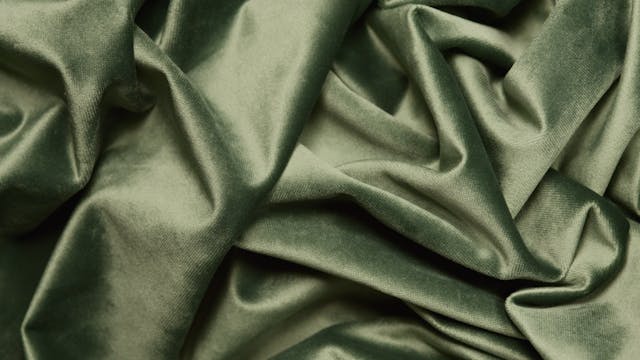
Leather and fabric are two of the most popular choices for upholstery. Leather is known for its durability and luxurious feel, making it a favorite for those who value elegance and long-lasting quality. It resists stains well and is easy to clean, which makes it a practical choice for households with children or pets. However, it can feel less comfortable in extreme temperatures, becoming hot in summer and cold in winter.
Fabric upholstery is often chosen for its softness and variety of patterns and colors. It creates a cozy and inviting atmosphere, making it ideal for casual living spaces. Fabric tends to be more affordable than leather and can offer a wider range of styles to match different design preferences. On the downside, it is more prone to stains and can wear out faster without proper care.
Leather offers timeless elegance and low maintenance, while fabric provides warmth and design flexibility. Both materials have their strengths, so the right choice will depend on your lifestyle, preferences, and how you plan to use the furniture.
Durability and Longevity Comparison
Comparing the durability and longevity of leather and fabric upholstery reveals significant differences. When you're selecting furniture, it is crucial to bear in mind how long your investment will last.
Leather upholstery is renowned for its durability, often lasting for decades with proper care. It's resistant to stains, spills, and general wear and tear, maintaining its appearance over time. Teak, a highly durable wood, is also a popular choice for outdoor furniture due to its resistance to rot, warping, and cracking.
On the other hand, fabric upholstery's longevity depends on its quality and construction. High-quality, tightly woven fabrics can be quite durable, but they generally don't match leather's long-lasting nature. Fabric sofas are more prone to showing signs of wear, such as fading, fraying, or becoming worn in high-traffic areas.
While both materials can provide long-lasting performance, leather typically outlasts most fabric options. This makes leather furniture a more investment-worthy choice for those seeking durability. However, don't discount fabric entirely, as high-quality fabric upholstery can still offer impressive longevity.
Comfort and Aesthetics
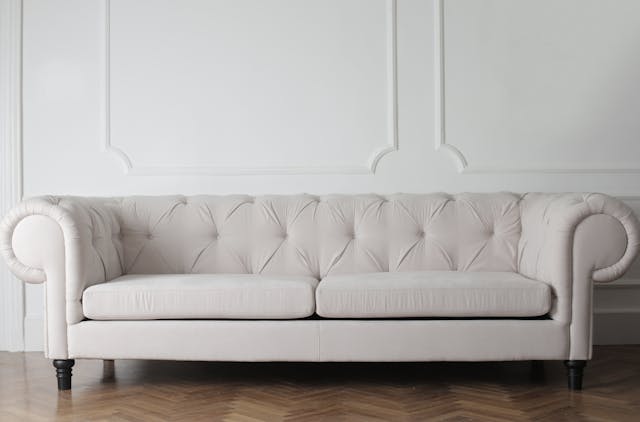
Comfort and aesthetics are two important factors when choosing upholstery for your furniture. Leather is often associated with a sleek and sophisticated look that fits well in modern or formal spaces. Its texture can feel firm at first but softens with time, offering a supportive seating experience. However, its surface may feel less breathable compared to fabric, which might affect comfort during warmer seasons.
Fabric upholstery offers a different kind of comfort, often feeling softer and cozier from the start. It is available in a wide range of textures, patterns, and colors, allowing for a more personalized style. Fabric tends to feel warmer and more inviting, making it a popular choice for relaxed or family-oriented settings. Its cushioning can also provide a plusher seating experience, depending on the material and construction.
Maintenance and Care Requirements
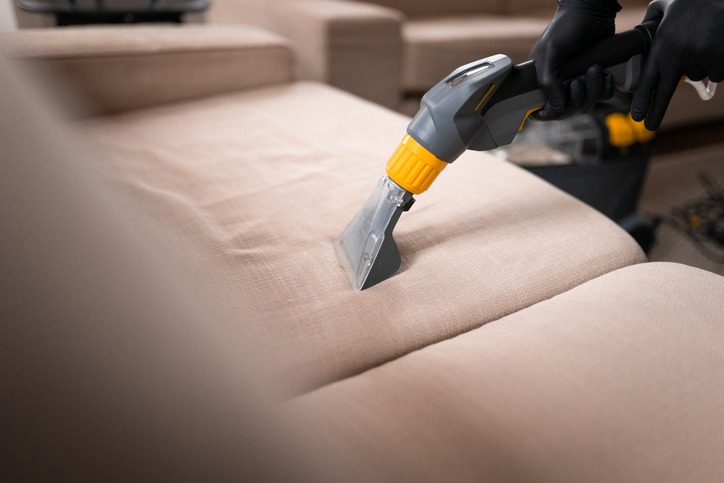
Maintenance and care requirements are important to consider when choosing upholstery. Leather is relatively easy to clean and maintain. Spills can often be wiped away with a damp cloth, and regular conditioning helps preserve its texture and prevent cracks. However, it is sensitive to direct sunlight and heat, which can cause fading and drying over time.
Fabric upholstery usually requires more attention to keep it looking its best. It can absorb spills quickly, making prompt cleaning essential to avoid stains. Many fabrics are treated with stain-resistant coatings, but regular vacuuming and occasional deep cleaning are still needed to prevent dirt and odors from building up. Removable cushion covers can make maintenance easier, depending on the furniture design.
Choosing the right upholstery depends on your willingness to invest time and effort in upkeep. Leather offers low-maintenance durability but needs occasional care to retain its quality. Fabric requires consistent cleaning but provides a softer, cozier feel.
Cost Considerations
Cost is a major factor when deciding between leather and fabric upholstery. Leather is typically more expensive upfront due to its durability and premium appearance. High-quality leather can last for decades, which may offset its initial cost over time. However, budget-friendly options like bonded leather or synthetic alternatives are also available, though they may not offer the same longevity.
Fabric upholstery is generally more affordable and offers a wide range of options to suit different budgets. The cost depends on the type of fabric, with natural materials like cotton or wool often priced higher than synthetic blends. While fabric furniture may need replacement sooner than leather, the lower cost can make it a practical choice for those who like to update their decor frequently.
Understanding your budget and long-term needs will help you decide which material is right for you. Leather offers a higher upfront investment with long-lasting value, and fabric provides flexibility and affordability. Comparing the cost of initial purchase and maintenance for each option can guide you toward a choice that fits your financial situation.
Conclusion
Choosing between leather and fabric upholstery comes down to your personal needs, preferences, and lifestyle. Both materials have their strengths, offering different benefits in terms of comfort, style, maintenance, and cost. Leather stands out for its durability and timeless look, while fabric offers versatility and warmth.
There is no one-size-fits-all answer, but knowing the differences between leather and fabric will help you make an informed choice. Whether you prioritize luxury, practicality, or a specific aesthetic, the right option is the one that fits your lifestyle and complements your space.