How to Use Mirror Walls to Elevate Your Home’s Interior
Mirror walls have long been a favorite in interior design for their ability to enhance space and light. They are both functional and decorative, as they add depth and brightness to any room.
With thoughtful placement and design, mirror walls create a sense of openness while reflecting your personal style. Read on as we cover practical ways to use mirror walls to elevate your home’s interior with elegance and purpose.
Why Use Mirror Walls?
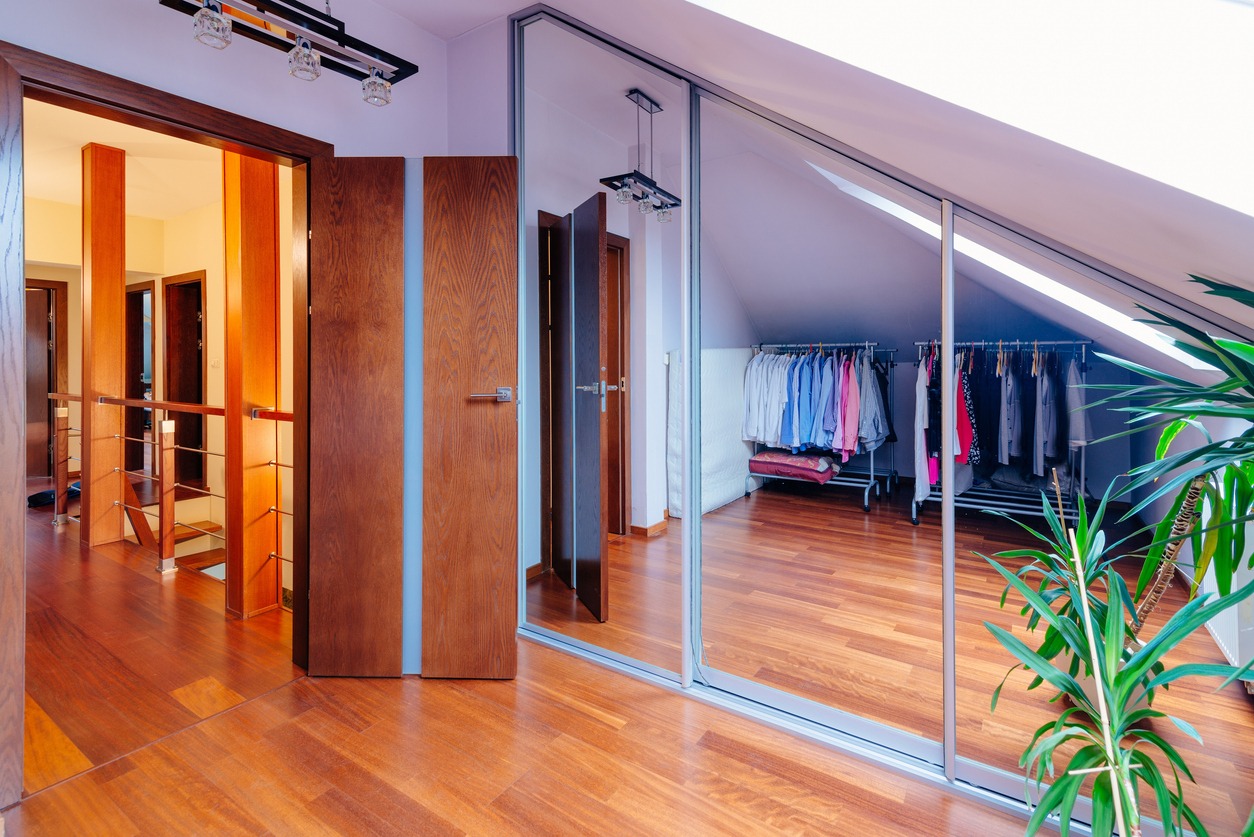
Mirror walls offer practical benefits that enhance the look and feel of your home while adding style and functionality. Here are the reasons why you should consider mirror walls in your interior design.
Create the Illusion of Space
Small rooms often feel cramped and limiting. A mirror wall tricks the eye into thinking a space is larger by reflecting its surroundings. This visual extension creates a sense of openness that makes even the smallest rooms feel expansive.
Placing mirrors strategically across from windows or entryways doubles the effect. Hallways that seem narrow and tight instantly appear wider. In apartments and compact homes, mirror walls serve as a practical solution to expand space without structural changes.
Enhance Natural Light
Dark rooms can feel uninviting and closed off. Mirrors brighten a space by reflecting natural light throughout the room. This helps reduce reliance on artificial lighting during the day while creating a warm and welcoming environment.
Positioning a mirror wall opposite a window maximizes its effect. Sunlight bounces off the reflective surface and disperses light evenly. This works well in living rooms, dining areas, and even bathrooms where extra brightness is often needed.
Add Visual Interest
Blank walls sometimes lack character and appeal. A mirror wall can serve as a statement piece that enhances the room's design. It reflects the room’s decor while adding depth and complexity to the space.
Custom mirror designs with frames or patterns elevate the visual style further. A large, framed mirror wall in a dining room creates a sense of elegance, while geometric mirror panels can bring a modern and artistic flair to any interior.
Where to Use Mirror Walls in Your Home
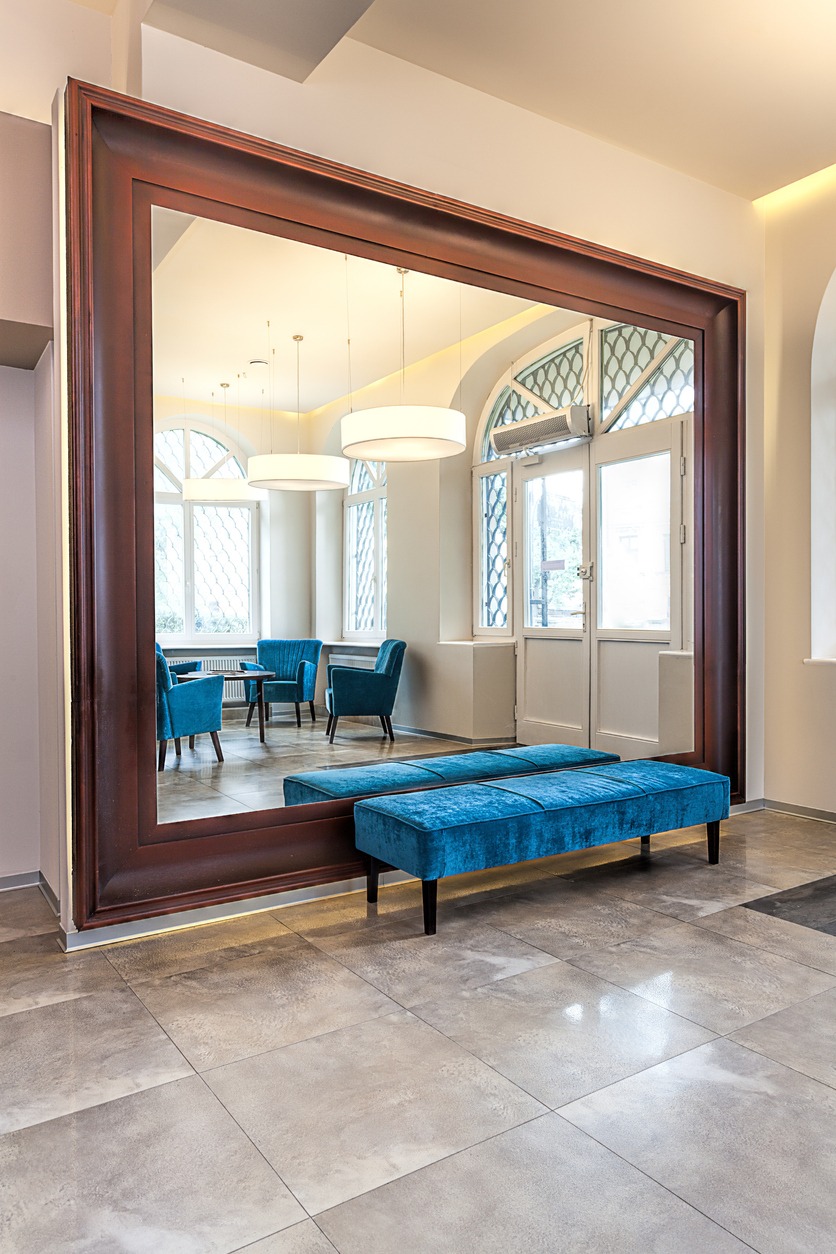
Mirror walls work well in different areas of a home, and choosing the right location helps create a balanced and inviting atmosphere. Below is a list of the best places to add mirror walls for both function and beauty.
Living Room
The living room is often the heart of the home, which makes it a perfect spot for a mirror wall. Placing a large mirror behind the sofa or opposite a window reflects light and creates an open, airy feel. This arrangement also draws attention to the room’s best features.
A mirror wall can serve as a statement piece above a fireplace or entertainment center. Its reflective surface highlights decorative items and adds depth and sophistication to the overall design.
Dining Room
A dining room benefits from the elegance that mirror walls provide. Installing a large mirror on one of the main walls creates a more spacious and inviting atmosphere, especially during gatherings and dinner parties.
The reflective surface adds charm by enhancing the room’s lighting and showcasing decorative table settings. For a more refined look, framed mirrors or custom panels offer a touch of luxury while keeping the design tasteful and timeless.
Bedroom
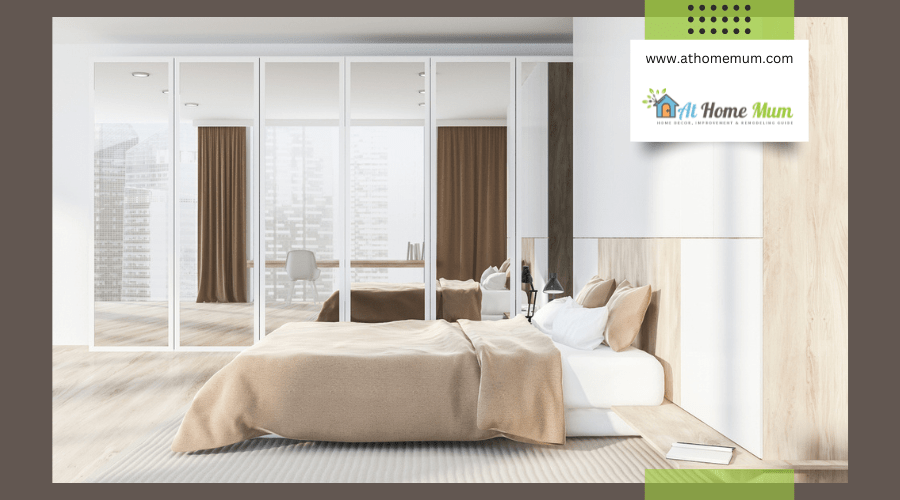
Bedrooms are personal retreats where comfort and style go hand in hand. A mirror wall behind the bed can serve as a stunning headboard feature while adding depth and a sense of luxury to the space. It also reflects soft lighting for a calming effect.
Closet doors with mirrored panels are another practical choice. They combine functionality with design while helping the room feel more spacious. A mirror wall in the bedroom balances style and utility and creates a space that feels both cozy and refined.
Bathroom
Bathrooms benefit greatly from mirror walls, especially in smaller layouts. A full-wall mirror above the vanity provides maximum reflection for daily routines while giving the room a clean and modern look.
For a sleek and seamless design, frameless mirrors create a minimalist appearance. Larger mirrors also enhance the room’s lighting, which makes it feel brighter and fresher. With the right placement, a mirror wall turns the bathroom into a stylish and functional retreat.
Entryway or Hallway
Entryways set the first impression of a home, making them ideal for mirror walls. A large mirror placed near the entrance reflects light and creates a welcoming ambiance. It also provides a convenient spot for last-minute appearance checks before heading out.
Hallways often feel narrow or confined. A mirror wall along one side helps open up the space by reflecting light and extending the visual line.
Installation Tips and Considerations
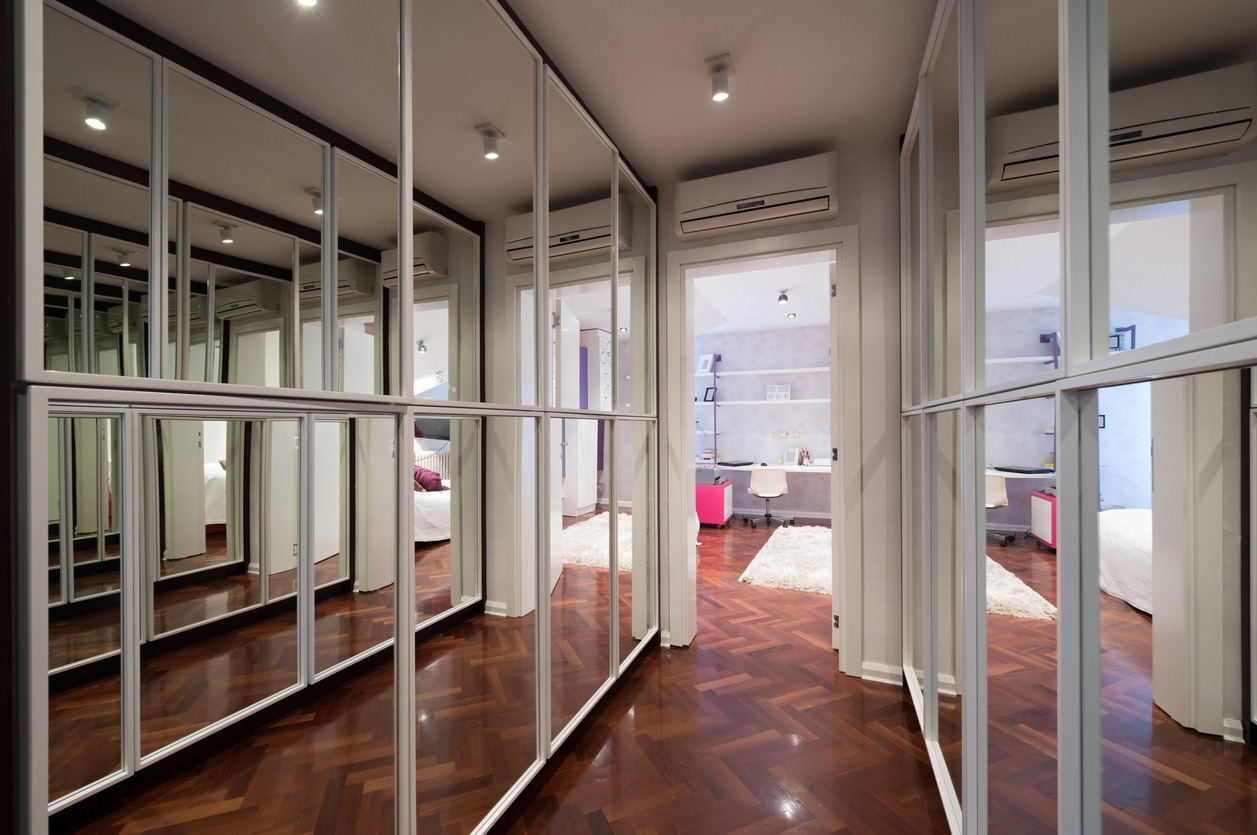
Installing mirror walls needs careful planning to achieve a stylish and lasting result. Proper placement and secure installation are essential for safety and design. Check out these tips and considerations to keep in mind when adding mirror walls to your home.
- Choose the Right Location: Select a spot that benefits from added light and visual space. Consider areas with good natural light or spaces that feel closed off or small. Avoid placing mirrors where they reflect clutter or busy patterns.
- Measure Carefully: Accurate measurements are essential for a proper fit. Measure the wall area twice before purchasing mirrors or custom panels. Allow space for any framing or decorative trim if part of the design.
- Use the Right Materials: High-quality mirrors provide a clear reflection and last longer. Consider tempered glass for added durability and safety, especially in homes with children or pets.
- Decide Between Framed and Frameless Designs: Framed mirrors offer a classic and decorative look. Frameless mirrors provide a modern, seamless appearance. Choose what best matches your home’s style and decor.
- Hire a Professional for Large Installations: Large or heavy mirror walls require expert installation for safety. Professionals know how to secure mirrors properly and handle complex setups. DIY projects work well for smaller mirrors or panels.
- Use Secure Mounting Hardware: Use sturdy mounting brackets or adhesives designed specifically for mirrors. Avoid general-purpose adhesives that may not hold securely over time. Follow manufacturer instructions for the best results.
- Consider Lighting Placement: Mirrors reflect light from nearby fixtures. Position lights carefully to avoid harsh reflections or glare. Soft, indirect lighting works well for a balanced, inviting look.
- Think About Maintenance: Mirror walls need regular cleaning to maintain their shine. Use streak-free glass cleaners and soft cloths. Avoid abrasive cleaners that can damage the surface over time.
Conclusion
Choosing high-quality mirrors and installing them securely helps achieve the desired effect while keeping your home safe and beautiful. Whether you want to enhance natural light, expand a small space, or make a bold design statement, mirror walls offer timeless elegance and practical benefits.