Guide to Finding the Right Dining Table Style
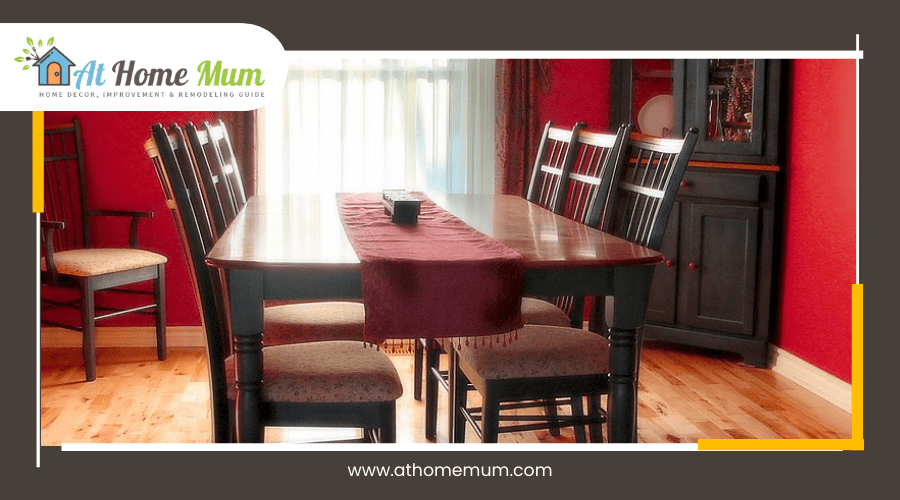
Rick Harris, Dinner table and chairs, CC BY-SA 2.0
Choosing the right dining table can feel like a bigger decision than it should be. It’s more than just a place to eat—it’s where family meals, holiday gatherings, and late-night conversations happen. The perfect dining table balances style, function, and durability while fitting seamlessly into the space. With countless shapes, materials, and designs available, narrowing down the right option can feel overwhelming.
Assessing Your Dining Space
Evaluating your dining space is indispensable before choosing a new table. Start by measuring the dimensions of your dining area to determine the maximum table size that'll fit comfortably. Remember to leave at least 3 feet of clearance around the table for easy movement. Minimum of 30-36 inches from nearest obstruction to table side is recommended. Consider the shape of your room when selecting a table. Round or square tables work well in smaller, compact spaces, while rectangular tables suit larger, open areas.
Assess your existing furniture and layout to guarantee the new table integrates seamlessly. Think about your desired seating capacity based on your family size or typical guest count. This will help you choose the right table size to accommodate everyone comfortably.
Don't forget to evaluate the lighting, ceiling height, and other structural features of your dining space. These elements play a pivotal role in enhancing the overall aesthetic and functionality of your chosen table. Take note of any unique characteristics that might influence your decision, such as bay windows or built-in cabinetry.
View this post on Instagram
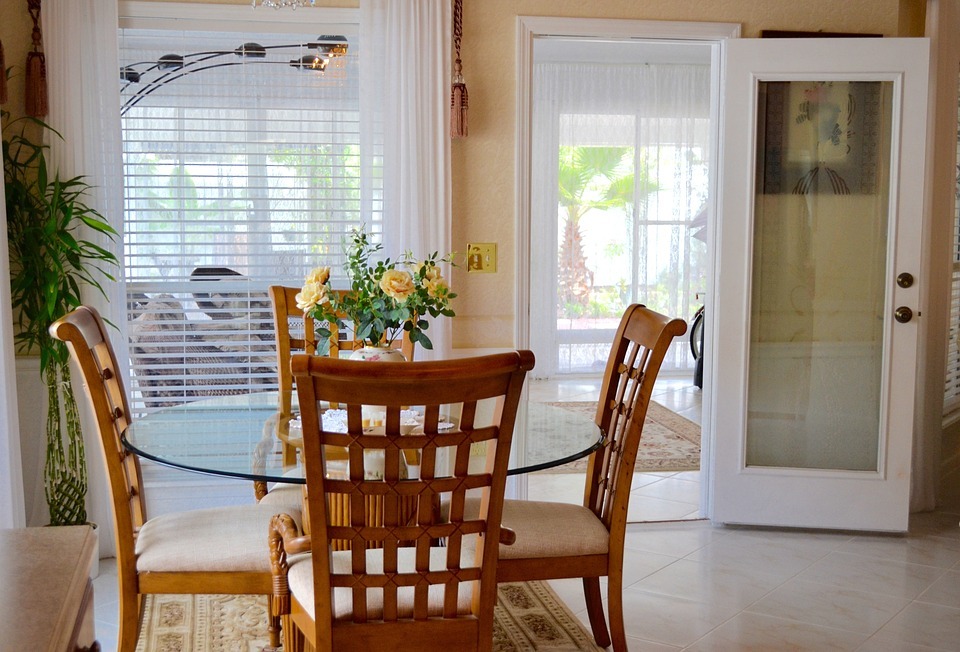
After evaluating your dining space, it's time to contemplate the style of table that best suits your home. When choosing between traditional and contemporary dining tables, consider how each style aligns with your overall décor and design vision. Traditional wood dining tables often feature statement moldings and trim work on walls and furniture, creating a warm, inviting atmosphere. On the other hand, contemporary styles emphasize clean lines and minimalist design. Modern dining tables often incorporate materials like glass, metal, and sleek wood finishes. These tables complement open-concept living spaces and create a sophisticated, streamlined look. Mid-Century Modern Dining tables, for instance, blend form and function with their distinctive aesthetic. Consider the shape of your table too. While traditional styles often favor rectangular shapes, contemporary designs may include round or square options. The material of your dining table should also harmonize with your dining chairs and overall décor. When it comes to selecting a dining table, the material you choose plays a crucial role in both aesthetics and longevity. Solid wood dining tables are renowned for their exceptional durability, withstanding daily wear and tear with ease. If you're looking for a table that'll stand the test of time, wood is an excellent choice. For those seeking a more modern look, glass dining tables offer a sleek appearance. However, they require frequent cleaning to maintain their pristine look. If you don't mind a bit of extra maintenance, glass can be a stunning option. Metal tables are highly durable and low-maintenance, making them ideal for active households. But keep in mind that they may not suit all design preferences. Marble dining tables exude luxury and sophistication but are prone to staining and scratching. They're best suited for those willing to invest time in their care. Your lifestyle, maintenance preferences, and desired aesthetic should guide your choice of dining table material. Consider how the table will be used, how much time you're willing to spend on upkeep, and how it fits into your overall design scheme before making your decision. Choosing the right size and shape for your dining table is crucial for both functionality and aesthetics. When selecting a table, consider your available floor space and desired seating capacity. Remember to leave at least 36 inches between the table and other furniture for comfortable movement. For smaller spaces, square tables measuring 36-48 inches are ideal, comfortably seating four people. Round tables with a 48-inch diameter also accommodate four, while a 60-inch round table can seat 6-8 people. These shapes are perfect for intimate dining experiences. Rectangular tables offer more flexibility in seating capacity. A 60-72 inch table typically seats 4-6 people, while an 84-96 inch table can accommodate 8-10 guests. This shape is often associated with more formal dining settings. Consider how table shape influences the dining atmosphere. Round tables cultivate a more intimate setting, encouraging conversation among all guests. Rectangular tables provide a more formal feel and are great for larger gatherings. Beyond size and shape, the functionality and versatility of your dining table play key roles in its everyday use. When you choose the perfect dining table, consider options that offer flexibility for various scenarios. Extendable tables are ideal if you frequently host larger gatherings, allowing you to add extra leaves or sections as needed. For a sleek, modern look that's easy to maintain, glass and marble tabletops are great choices. If you're looking to optimize limited space, multifunctional tables that serve as both dining and work surfaces can be the right dining table for you. These versatile pieces are particularly useful in smaller homes or apartments. Adjustable height tables cater to different user needs, accommodating both casual and formal dining experiences. For those with compact dining areas, pedestal-style tables free up legroom and allow for flexible seating arrangements. Round and square tables with this design can seat more people comfortably. While solid wood dining tables offer timeless appeal, consider how the table's functionality aligns with your lifestyle. Choose a dining table that not only fits your space but also adapts to your changing needs. Selecting the right color and finish for your dining table can dramatically impact your room's atmosphere. Dark wood finishes like walnut and espresso create a sophisticated look, while lighter tones such as oak and maple offer a more casual feel. If you're after a modern aesthetic, consider glossy lacquer or high-gloss finishes for a sleek appearance. For a more understated look, opt for matte or satin finishes. For those who love rustic charm, distressed or weathered finishes add character to your dining space. They're perfect for farmhouse or industrial-inspired interiors. Two-tone finishes, combining light and dark elements, can add visual interest and define your table's different parts. If you want to make a statement, painted finishes in bold or neutral hues can coordinate with your room's decor. Once you've settled on the perfect table style and finish, it's time to ponder the accompanying chairs and accessories. When choosing the perfect dining chairs, coordinate their style, material, and color with your table to create a cohesive, timeless look. Consider factors like chair height, arm rests, and upholstery to guarantee comfort during extended meals. Accessorize your table with coordinating placemats, table runners, and centerpieces to enhance the overall aesthetic. These elements can modify your dining area from formal to modern, adapting to various occasions. Don't forget about lighting fixtures – pendant lights or chandeliers that complement your table and chairs will complete the look of your dining space. When it comes to budget-friendly dining table alternatives, you don't have to sacrifice style for affordability. The best dining tables often feature timeless designs that provide enough room for people to move around and ample surface area for serving dishes. Opt for tables with neutral finishes and classic silhouettes that can be easily dressed up or down as your design preferences evolve. These timeless pieces won't require frequent cleaning and will provide a high-quality look without the hefty price tag. The perfect dining table isn’t just about looks—it’s about finding a balance between function, durability, and style. With attention to size, shape, material, and design, the dining table can become the centerpiece of countless meals, conversations, and memories.Traditional vs. Contemporary Styles
Material Selection and Durability
Size and Shape Considerations
Functionality and Versatility
Color and Finish Options
Matching Chairs and Accessories
Budget-Friendly Alternatives
Wrapping Up