Framed vs Frameless Bathroom Mirrors: Which is Right for You?
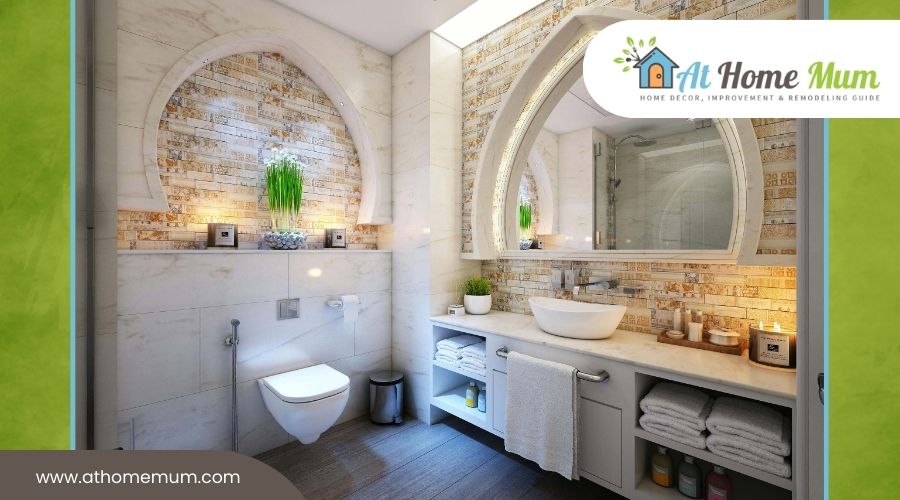
When it comes to picking mirrors for bathrooms, there are practically two main options for people to choose from, and these options are framed mirrors and frameless mirrors. These two types of bathroom mirrors offer different advantages, and they can also have different drawbacks that can affect its function and appearance in the bathroom.
If you are currently deciding which type of bathroom mirror to buy, then we are here to help you make the best decision. Here is a guide to the pros and cons of frames and frameless bathroom mirrors and how to find the best one for your bathroom.
The Benefits of Framed Mirrors
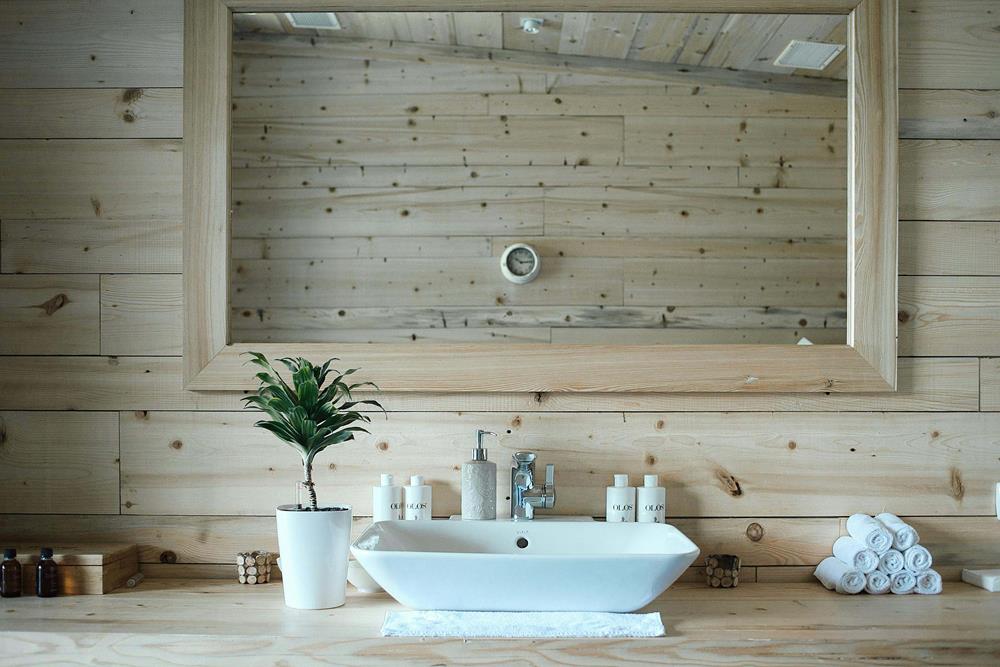
Framed mirrors offer several benefits that can elevate the function and style of your bathrooms. Below is a list of those benefits:
- Adds Elegance: The frame creates a polished look that elevates the overall aesthetic of the bathroom.
- Defines the Space: A framed mirror acts as a focal point that helps anchor the design of the room.
- Offers Customization: Frames come in various materials, colors, and designs to match any style preference.
- Hides Flaws: A well-crafted frame can conceal imperfections or gaps between the wall and the mirror.
- Protects the Mirror Edges: Frames provide durability by shielding the edges of the glass from damage.
- Increases Perceived Value: Bathrooms with framed mirrors often appear more luxurious and well-thought-out.
- Enhances Lighting: Frames can reflect and complement lighting fixtures while improving brightness in the space.
The Benefits of Frameless Mirrors
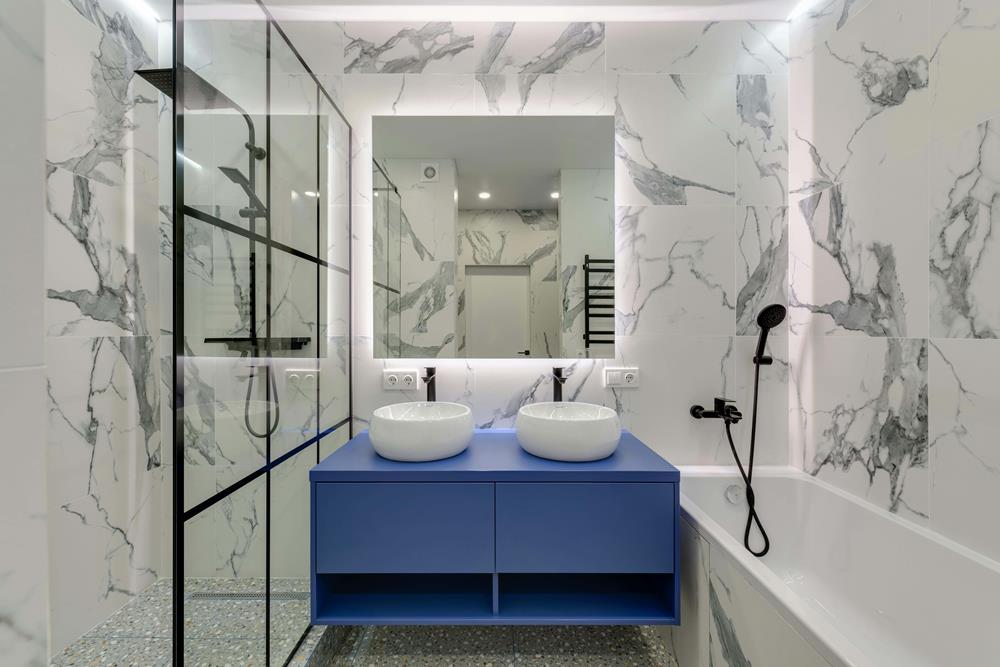
Frameless bathroom mirrors provide a sleek and modern option for any space. Their clean lines and minimalist design suit a variety of bathroom styles. Here are the benefits that these frameless bathroom mirrors bring:
- Creates a Contemporary Look: Frameless mirrors provide a modern and uncluttered aesthetic.
- Maximizes Space: Without a bulky frame, these mirrors give the illusion of a larger bathroom.
- Offers Versatility: They blend seamlessly with different design themes, from traditional to ultra-modern.
- Simplifies Cleaning: The lack of a frame means fewer edges to trap dust and grime.
- Reflects Light Effectively: Frameless designs help enhance brightness by reflecting more light.
- Cost-Effective: Often, frameless mirrors are less expensive than their framed counterparts.
- Durable and Long-Lasting: High-quality frameless mirrors use sturdy materials designed to resist wear.
Things to Consider When Choosing Between Framed and Frameless Mirrors
Picking between framed and frameless mirrors can be difficult, but knowing exactly what to look for in terms of features and aesthetics can be the key for you to make the best choice. Check out these things that you should consider when deciding which mirror to get.
Design Aesthetic
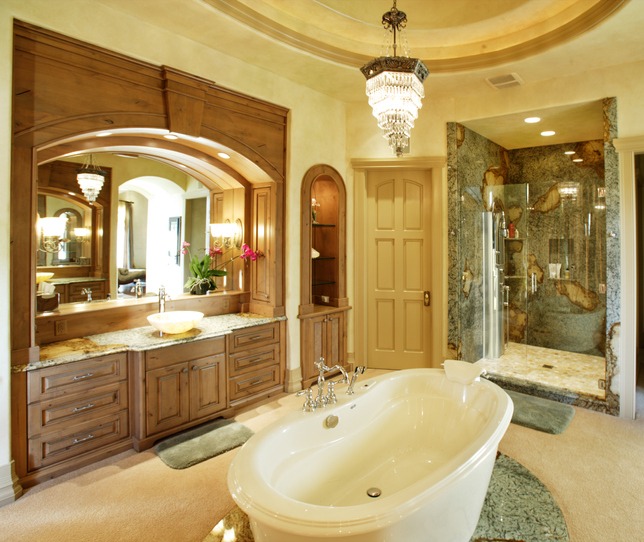
The overall look of your bathroom will play a major role in your choice. Framed mirrors add character and warmth, making them ideal for traditional or rustic spaces. Their decorative frames can complement existing fixtures and help tie the room together.
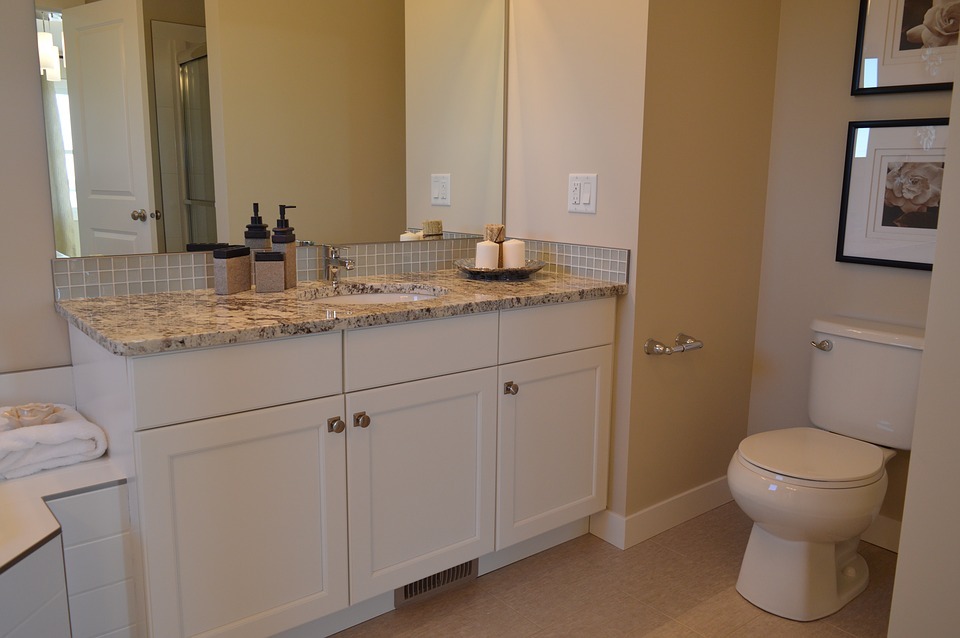
Frameless mirrors offer a minimalist and modern look. They blend seamlessly into contemporary or industrial designs. Their clean edges provide an unobstructed view, creating a sense of openness in the room.
Functionality and Maintenance
The way a mirror functions and its upkeep should also influence your decision. Framed mirrors often have more intricate designs, which can make cleaning a bit more time-consuming. However, their frames help protect the edges of the glass, adding to their durability.
Frameless mirrors are easier to clean due to their simple design. Without a frame, there are no crevices for dust and grime to collect. However, the exposed edges require careful handling to prevent chipping or damage.
Cost and Installation
Budget and installation needs are practical factors to think about. Framed mirrors may cost more depending on the material and craftsmanship of the frame. They are generally heavier, which means they may require more secure mounting hardware.
Frameless mirrors are often lighter and less expensive. Their straightforward installation process makes them a popular choice for those looking for a quick and affordable option. High-quality frameless mirrors with polished edges may cost more, but they are still usually less than decorative framed mirrors.
Space and Light
The size of your bathroom and its lighting conditions are also worth considering. Framed mirrors can create a bold statement but may take up visual space, which can feel overwhelming in a smaller bathroom.
Frameless mirrors reflect more light, making them better suited for smaller spaces or rooms with limited lighting. Their unobtrusive design allows the focus to remain on other elements in the room while enhancing brightness.
Tips for Placing a Mirror in the Bathroom
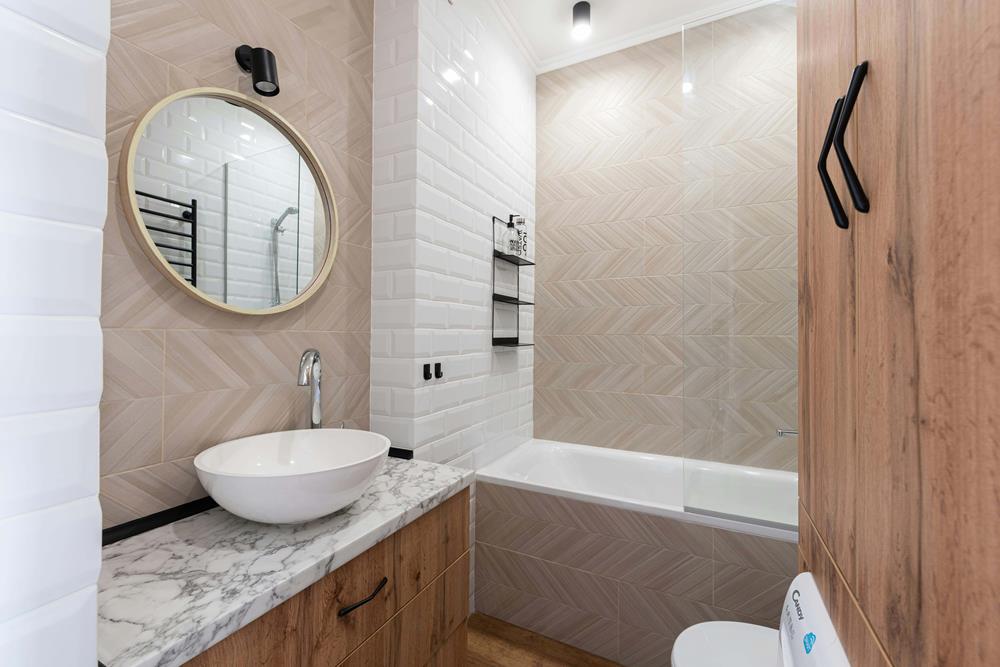
While you can place a mirror anywhere in the bathroom, there can be certain locations where it would look and function best. Thoughtful positioning can enhance lighting, create the illusion of space, and improve usability. Here are several practical tips:
- Consider the Height: Position the mirror at eye level for most users. If the bathroom is shared, aim for a height that accommodates everyone comfortably.
- Center Over the Sink: Align the mirror with the sink or vanity for a balanced and polished look. This placement makes grooming tasks more convenient and visually ties the area together.
- Maximize Natural Light: Place the mirror to reflect natural light from a window. This setup brightens the bathroom and reduces the need for artificial lighting during the day.
- Avoid Facing the Shower or Toilet: Position the mirror to avoid directly reflecting the shower or toilet. This choice maintains a more aesthetically pleasing and private view.
- Use Multiple Mirrors in Large Bathrooms: If the space allows, add multiple mirrors. A full-length mirror complements a vanity mirror and offers functionality for dressing or grooming.
- Ensure Proper Lighting: Pair the mirror with well-placed lighting, such as sconces or an overhead fixture. This combination reduces shadows and improves visibility for tasks like applying makeup or shaving.
- Think About Frame Styles: Choose a frame that matches the bathroom's décor if you're using a framed mirror. The frame's design can influence how the mirror fits with other elements.
Conclusion
Choosing between framed and frameless bathroom mirrors comes down to your style preferences, practical needs, and the look you want to achieve. Both options have their strengths, and the right choice will depend on the design of your bathroom and your budget. Take into account factors like space, maintenance, and lighting to decide which type fits best.