Factors to Consider When Replacing Windows
Replacing windows is an important decision for homeowners that goes beyond improving the look of a house. Windows affect energy efficiency, indoor comfort, and even monthly utility costs.
Choosing the right replacement involves understanding key factors such as materials, design options, and long-term durability. Each choice plays a part in creating a space that feels secure, comfortable, and practical for everyday living.
Assessing Window Condition
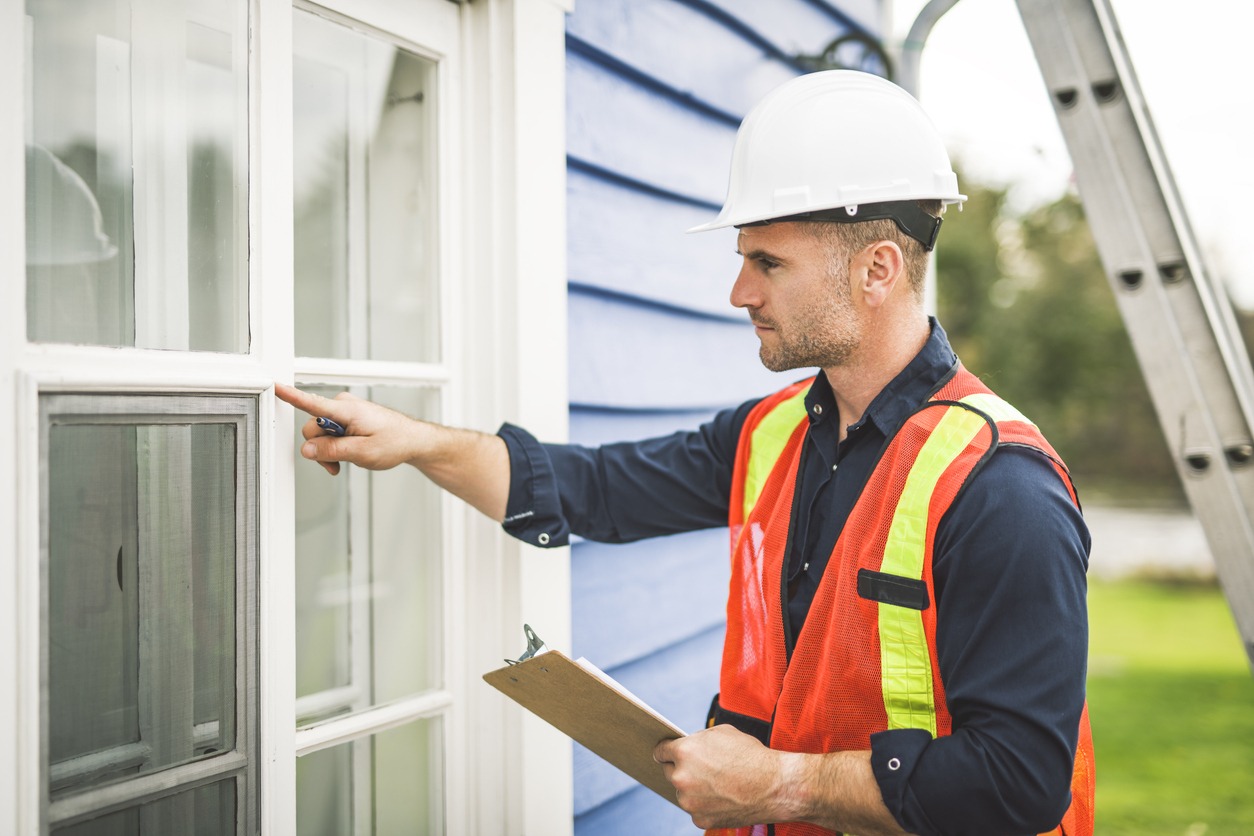
Understanding the condition of your windows is an essential first step before considering replacements. Look for visible signs of wear such as cracked glass, peeling paint, or warping frames. These issues may compromise the window's ability to function properly and could allow drafts or moisture to enter your home.
Pay attention to how your windows operate on a daily basis. Sticking frames, difficulty in opening or closing, and gaps that allow air to pass through are all signs of underlying problems. These issues not only affect comfort but may also point to aging or poorly installed windows that need attention.
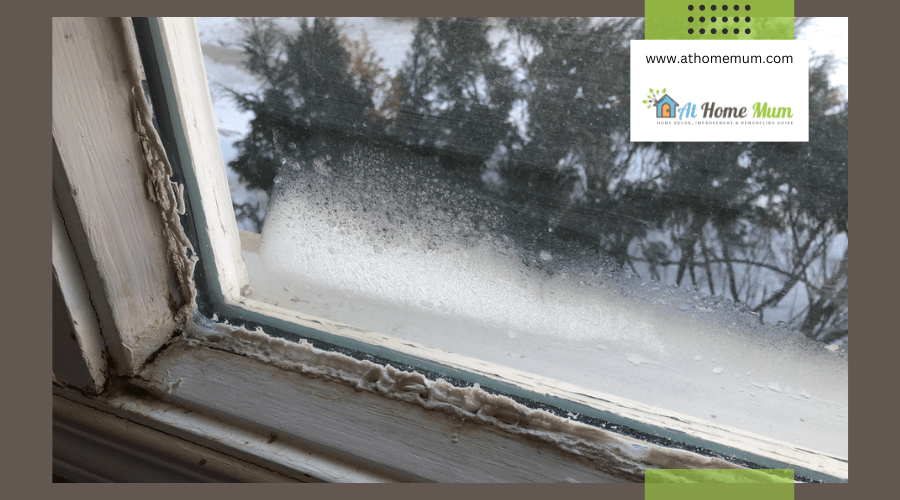
Energy efficiency is another factor to evaluate when assessing window condition. Outdated windows may have single-pane glass or lack proper insulation, leading to higher energy bills. Checking for condensation or frost buildup on the inside of the glass is also a good way to identify if your windows are no longer providing the insulation they should.
Energy Efficiency Considerations
Energy efficiency is an important consideration when replacing windows, as it directly affects heating and cooling costs. Modern windows often come with features like double or triple-pane glass, low-emissivity coatings, and gas-filled spaces between panes. These elements work together to reduce heat transfer and help maintain a consistent indoor temperature.
The frame material also plays a key part in energy performance. Vinyl, fiberglass, and wood are popular choices, each offering different levels of insulation and durability. It is essential to choose a material that suits both your climate and your home's overall design while providing effective thermal resistance.
Proper installation is just as vital as the window's design and features. Poorly installed windows may have gaps or leaks that compromise their efficiency. Hiring a professional with experience in energy-efficient window installation helps create a tighter seal and better performance over time.
Cost Analysis
The price of windows varies widely based on factors like size, material, and style. Custom designs or higher-quality materials will naturally cost more, while standard options tend to be more affordable.
Installation costs should also be taken into account when evaluating expenses. Hiring a professional typically adds to the overall cost but ensures that the job is done correctly and efficiently. Some companies offer package deals that include both the windows and installation, which may be worth considering for convenience and potential savings.
It is also helpful to consider the long-term value of the investment. Energy-efficient windows may have a higher upfront cost but could save money on heating and cooling bills over time. Comparing warranties, maintenance requirements, and expected lifespan helps provide a clearer picture of the total cost.
Historic Home Factors
Replacing windows in a historic home requires careful consideration to maintain the property's character and authenticity. Original windows often have unique craftsmanship and design details that contribute to the home's charm. Preserving or replicating these elements is important for keeping the historical aesthetic intact.
Local regulations or preservation guidelines may influence your choices when updating windows in a historic property. Some areas have restrictions on the types of materials or styles allowed for replacements to protect the home's historic integrity. Researching these rules ahead of time helps avoid potential complications during the renovation process.
Modern materials and techniques can still be used to improve energy efficiency while respecting the home's original design. Wood frames and custom glass can replicate the look of old windows while offering improved insulation. Consulting with restoration experts or contractors experienced with historic properties can help you find the right balance between preservation and practicality.
Professional Consultation Benefits
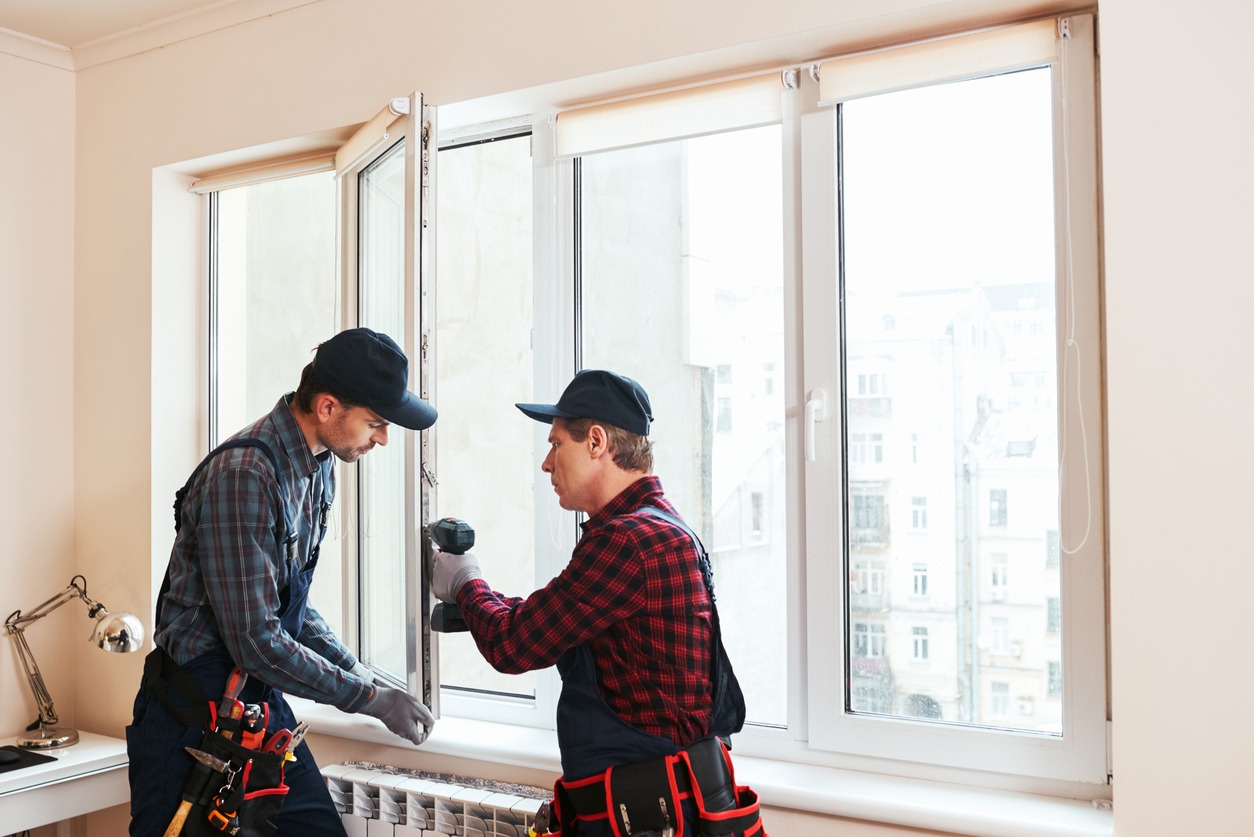
Consulting a professional when replacing windows provides valuable guidance throughout the process. Experts help assess your specific needs by evaluating factors like your home's design, climate, and energy efficiency goals. Their experience allows them to recommend the best materials and styles for your situation.
A professional consultation often includes a detailed estimate and explanation of the project timeline. This helps you plan your budget and understand the steps involved in the installation. Professionals also address any questions or concerns, giving you confidence in the choices you make.
Working with experienced professionals ensures proper installation and long-lasting results. They have the tools and knowledge to handle potential challenges, such as uneven frames or structural issues. By relying on their expertise, you can avoid costly mistakes and enjoy windows that perform as expected for years to come.
Finding the Best Replacement for Your Windows
Choosing the best replacement windows involves evaluating your home's needs and preferences. Start by considering the material options available, such as vinyl, wood, aluminum, or fiberglass. Each material offers different benefits, so selecting one that suits your budget, climate, and style is important.
Window styles also play an important part in the decision. Double-hung, casement, sliding, and bay windows each offer unique functions and appearances. The choice depends on the look you want for your home and the practicality of how the windows will be used.
Energy efficiency should also guide your decision. Look for features like double or triple-pane glass, low-emissivity coatings, and insulated frames to help reduce heating and cooling costs. Comparing products and consulting with professionals can help you find the perfect balance of aesthetics, performance, and affordability.
Conclusion
Replacing windows is a decision that requires careful thought and planning. Considering factors like energy efficiency, material choices, style, and budget helps guide you toward the best options for your home.
Taking the time to assess your current windows and consult with professionals can make the process easier and more informed. A clear understanding of your goals and priorities allows you to make confident decisions throughout the replacement process.
With the right combination of features and installation expertise, your new windows will provide comfort, efficiency, and durability for years to come.