Common Closet Door Repairs and How to Fix Them
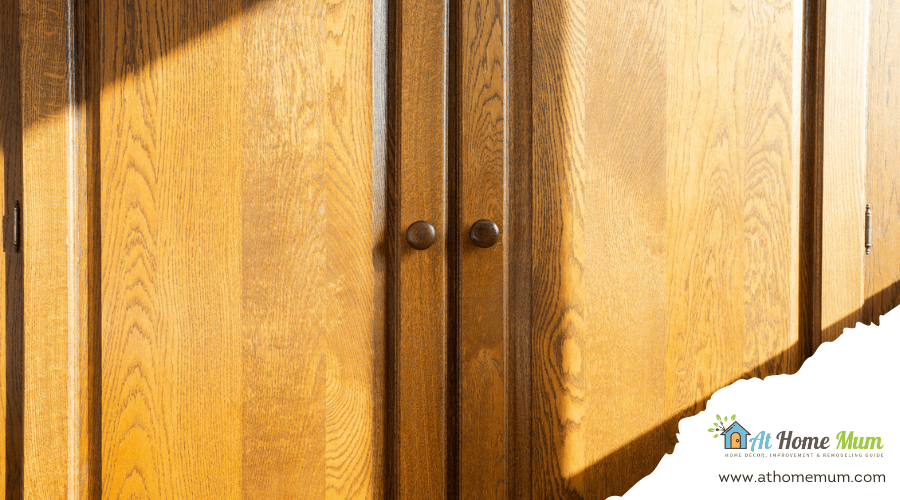
Closet doors are a small but essential part of any home. They keep your space organized, provide privacy, and enhance the overall look of a room.
Over time, these doors can develop common issues like sticking, misalignment, or damaged hardware. Knowing how to address these problems can save you time, money, and frustration. Continue reading as we walk you through some of the most frequent closet door repairs and how to handle them effectively.
The Most Common Closet Door Issues
Closet doors are used daily, so it’s no surprise that they encounter wear and tear over time. Below are some of the most common problems homeowners face with closet doors and what typically causes them.
Doors Coming Off the Track
Sliding closet doors often run into this problem when the tracks are dirty or the rollers are worn out. A misaligned door or loose hardware can also make it slip off its track. This issue makes the door difficult to operate and disrupts its appearance.
Sticking or Hard-to-Move Doors
Dust, debris, or a lack of lubrication are common culprits when doors stick or become hard to move. Over time, even a slightly warped track or rollers that don’t roll properly can create this frustration.
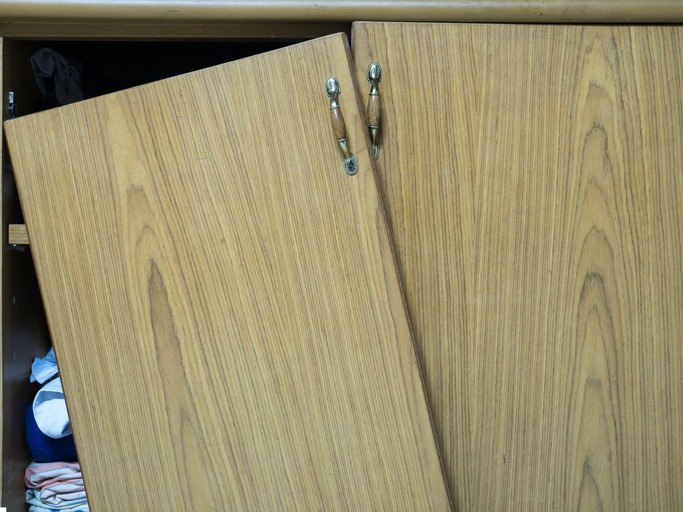
Misaligned Doors
Closet doors that don’t close properly or appear uneven often have alignment issues. This can happen when screws loosen or the hardware supporting the door shifts. Misalignment is both a functional and visual issue.
Broken or Worn-Out Rollers
Rollers that are cracked, flattened, or simply worn down from use can make sliding doors challenging to operate. Broken rollers often require replacement to restore the door's functionality.
Loose or Damaged Hinges
For hinged closet doors, loose screws or damaged hinges are common problems. Over time, the constant movement can loosen the hinges, causing the door to sag or fail to close properly.
Torn or Damaged Panels
Accordion or bifold doors are prone to damage on their panels, especially if they’re made of thinner materials. Tears, dents, or cracks can occur with frequent use or accidental impact.
Squeaky Hinges or Tracks
Squeaky hinges or tracks are a minor issue but can be annoying. Lack of lubrication or accumulated dirt often causes the noise. Regular maintenance can help prevent this.
Repairs for Common Closet Door Issues
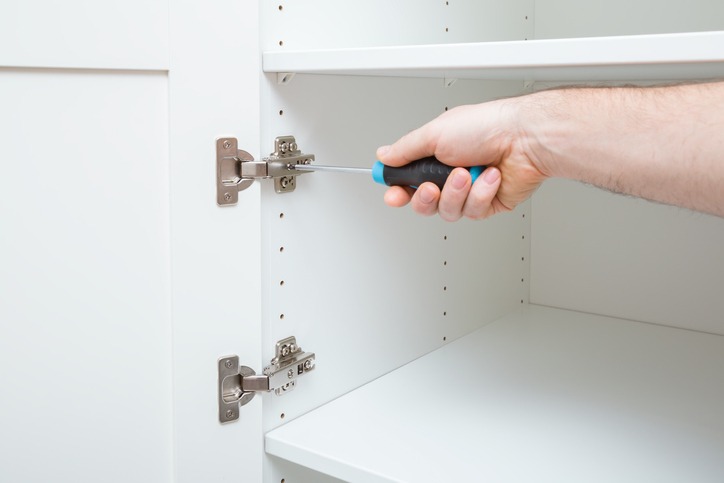
Fortunately, most of the issues we have stated above are straightforward to address with a little effort and the right tools. Here are the common repairs and how to tackle them.
Realigning Sliding Doors
When a sliding door comes off its track, start by inspecting the track for debris or damage. Clean it thoroughly and check if it’s bent or warped. Realigning the door may involve lifting it slightly and guiding the rollers back onto the track. Make sure the rollers are intact and positioned properly.
If the problem persists, examine the hardware that holds the rollers. Sometimes, loose screws or brackets cause misalignment. Tighten any loose components and adjust the roller height if possible. If the rollers are damaged, replacing them is often the best solution.
Fixing Sticking Doors
Sticking doors are often caused by dirt or debris clogging the tracks or hinges. Start by cleaning the area with a vacuum or damp cloth. For sliding doors, lubricate the tracks with a silicone spray to reduce friction. Avoid using grease, as it can attract more dirt over time.
If cleaning and lubrication don’t work, inspect the rollers or hinges for wear. Replace any parts that appear worn or damaged. If the sticking is due to a warped track, gently straighten it with pliers or replace it entirely for a more permanent fix.
Replacing Broken Rollers
Broken rollers make sliding doors difficult to move. To replace them, remove the door by lifting it off the track. Unscrew the damaged rollers and take them to a hardware store to find an exact match.
Once you have the new rollers, install them securely and double-check their alignment. Reattach the door to the track and test its movement. Regularly cleaning and lubricating the rollers can help extend their lifespan after replacement.
Tightening Hinges on Swinging Doors
Hinged doors often sag or misalign when screws loosen. Check each hinge and tighten all screws with a screwdriver. If the screws no longer hold firmly, use longer screws or fill the holes with wood filler before reinstalling them.
If the hinge itself is damaged or bent, replace it with a new one. Choose a hinge that matches the size and type of the original for proper fit. After installation, test the door to make sure it opens and closes properly without resistance.
Repairing Torn Panels on Accordion or Bifold Doors
Torn or damaged panels on accordion or bifold doors need immediate attention to prevent further wear. Small tears can be patched with adhesive or tape designed for the door material. For larger damage, consider replacing the panel entirely.
To replace a panel, disassemble the door and remove the damaged section. Install the new panel securely, ensuring it aligns with the rest of the door. Reassemble the door and test it to confirm it folds and moves correctly.
Eliminating Squeaky Hinges or Tracks
Squeaks are usually caused by friction in hinges or tracks. Apply a lubricant, like silicone spray or WD-40, directly to the noisy areas. Move the door back and forth to distribute the lubricant evenly.
If the squeak persists, check for dirt or rust that may be causing the friction. Clean the area thoroughly and sand away rust if necessary. Regular maintenance, including cleaning and lubrication, can prevent squeaks from returning.
When to Hire a Professional for Closet Door Repairs
While many closet door issues can be fixed with basic tools and some effort, there are times when it’s better to call a professional. Certain problems require expertise or equipment that most homeowners don’t have. Here are some situations where professional help might be the best choice:
- Structural Damage to the Door or Frame: If the closet door or its frame has cracks, warping, or other structural damage, a professional can assess the situation and recommend the right solution. Repairs in these cases often involve specialized tools and knowledge to avoid further damage.
- Custom or Specialty Doors: Repairs for custom or high-end doors, such as mirrored or glass-paneled ones, often require precision and care. Professionals can handle these delicate materials safely and efficiently, reducing the risk of costly mistakes.
- Complex Track or Hardware Replacements: Replacing or repairing complex hardware systems, such as multi-panel sliding doors, can be challenging. A professional can source the correct parts and install them correctly to restore the door’s function.
- Recurring or Persistent Issues: If the same issue keeps happening after multiple attempts to fix it, there might be an underlying cause that’s not immediately obvious. A professional can diagnose and address the root problem to prevent further frustration.
- Time-Sensitive Repairs: When repairs need to be completed quickly, hiring a professional can save time and effort. Their experience allows them to complete the job faster than a DIY approach, especially for larger or more challenging tasks.
Conclusion
Closet door problems are a common part of home maintenance, but most issues are manageable with the right approach. Simple repairs like cleaning tracks, tightening screws, or replacing small parts can keep your doors functioning well.
For more complex problems or specialized doors, hiring a professional is often the best option. With regular care and timely attention to repairs, your closet doors can remain reliable and add to the comfort of your living space.
Related posts