Wood vs. Composite Decking: What’s Better for Poolside Areas?
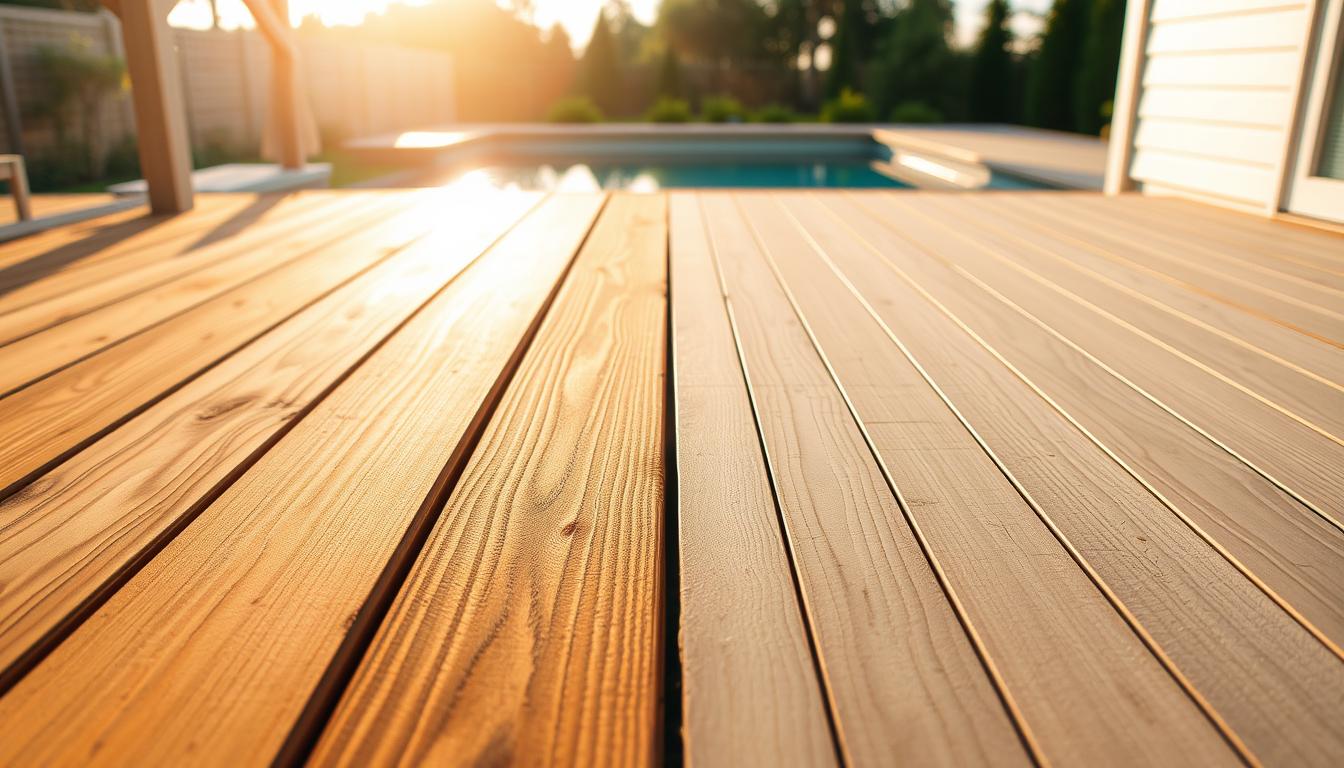
Choosing the right decking material is crucial for an outdoor oasis. We'll look at the main points for homeowners deciding between wood and composite decking for poolside areas.
The decision between wood and composite decking depends on several factors. These include durability, maintenance, and looks. Both options have their advantages and disadvantages, which we'll discuss in this article.
Key Takeaways
- Durability comparison between wood and composite decking
- Maintenance requirements for poolside decking areas
- Aesthetic considerations for outdoor decking
- Factors influencing the choice between wood and composite decking
- Key benefits of choosing composite decking
The Poolside Decking Dilemma
Choosing decking materials for poolside areas is tricky. The area around a pool faces harsh conditions. It's exposed to moisture, sunlight, and chemicals from pool care.
Unique Challenges of Pool Environments
Moisture can cause rot and decay in some materials. Sunlight, especially UV rays, can make colors fade and materials degrade. Pool chemicals can also corrode or damage decking.
Key Factors to Consider When Choosing Decking Materials
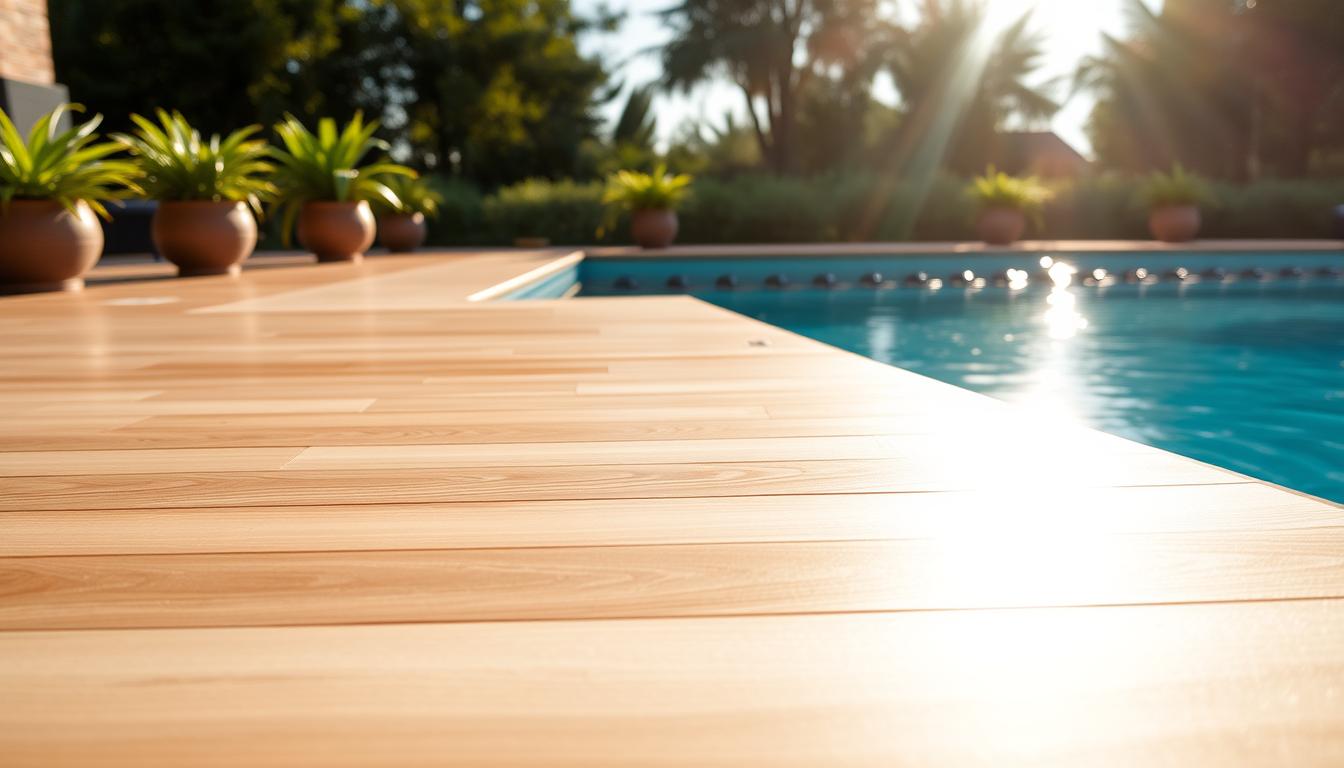
When picking decking, think about how durable it is and how much upkeep it needs. Composite decking is known for being tough and easy to care for. It's a favorite for pool areas.
Reviews show it resists rot, decay, and bugs well. Keeping it looking good is simple, thanks to easy cleaning tips.
Understanding Composite Decking Materials
Decking materials have changed a lot, with composite decking at the forefront. It's made from wood fibers and recycled plastic. This mix makes it strong and good for the environment.
What Is Composite Decking?
All County Pools and Spa Inc., Los Angeles 6117 Reseda Blvd Tarzana, CA 91335 818-720-3316 https://allcountypoolsandspa.com/the-best-pool-contractor-in-los-angeles/
Composite decking is a man-made material that looks like natural wood. It's better than wood because it lasts longer and needs less care. It's perfect for those who want a green and lasting outdoor space.
Types of Composite Materials
There are mainly two kinds of composite decking: capped and uncapped.
Capped Composite
Capped composite decking has a protective layer. This layer keeps the core safe from weather damage. It's great for busy areas and places with harsh weather.
Uncapped Composite
Uncapped composite decking doesn't have this protective layer. It's still durable but might need more upkeep to look good.

Evolution of Composite Technology
Composite decking technology has gotten better over time. Now, it's not just durable but also looks natural. It's perfect for pool areas.
We're always making composite decking better and greener. This makes it easier for homeowners to pick a material that's good for the planet and their outdoor spaces.
Traditional Wood Decking Options
Traditional wood decking is a favorite for poolside areas. It brings a natural beauty and warmth. This can really make any pool area look better.
Popular Wood Species for Decks
Many wood species are used for decking around pools. The type of wood affects the deck's durability and upkeep.
Pressure-Treated Pine
Pressure-treated pine is a budget-friendly option. It's treated to fight rot and bugs. It's a favorite for its cost and lasting power.
Cedar and Redwood
Cedar and redwood resist rot and bugs well. They also look beautiful and natural.
Tropical Hardwoods
Tropical hardwoods like ipe and teak are very durable and water-resistant. They cost more but can last decades with care.
Natural Properties of Wood
Wood's natural traits, like grain and density, impact its performance in wet places. Some woods might splinter or warp in moisture.
Treatment Options for Poolside Use
Wood decking can be treated with sealants and finishes to last longer. Keeping it maintained is key to protect it from the weather.
Wood decking is a lovely, natural choice for pools. But, it needs regular care to last. Compared to composite decking, wood has different upkeep and looks.
Moisture Resistance Comparison
Moisture resistance is key for poolside decking. It's important to know how wood and composite decking handle water. This helps you make a smart choice.
How Wood Handles Constant Moisture
Wood decking looks great but struggles with water. Water can cause warping, splitting, and mold. Regular care is needed to avoid these problems.
Composite's Water-Resistant Properties
Composite decking is made to fight moisture better. It's less likely to warp or split, making it strong for pool areas. For composite decking maintenance tips, cleaning it often helps keep it clean.
Long-term Performance in Wet Environments
Decking materials perform differently in wet places. Wood needs more care, but composite lasts longer with less effort.
Mold and Mildew Concerns
Wood decking often gets mold and mildew in damp spots. Composite decking is mold-resistant, keeping it cleaner and safer.
Warping and Splitting Risks
Wood decking is more likely to warp and split because of moisture. Composite decking is more stable, offering a solid surface.
Though composite decking cost per square foot might be higher at first, its durability and low upkeep make it a better value over time.
Heat Retention and Barefoot Comfort
When we're by the pool, the decking's feel is key. The temperature of the decking affects our poolside fun.
Surface Temperature Differences
Composite decking stays cooler than wood, especially in the sun. It's made to reflect heat, keeping your feet comfy.
Texture and Slip Resistance When Wet
The decking's texture and grip when wet are also important. Composite decking is made to be slip-resistant, keeping the pool area safe. The texture can vary, affecting how well it grips.
Comfort Considerations for Pool Users
Choosing the right decking for a pool area is crucial. Composite decking colors and styles can make a big difference. A composite decking installation guide helps ensure it's installed right for comfort and safety.
Best Composite Decking Brands for Poolside Applications
The market has many composite decking brands, but some stand out for pool areas. Look for durability, easy maintenance, and a good warranty when choosing.
Trex Decking Options
Trex is a top name in composite decking, perfect for pool areas. Their boards mix recycled wood and plastic for durable and low-maintenance options. They resist rot, rust, and insects, making them a favorite for pool decks.
TimberTech and Azek Products
TimberTech and Azek lead in quality composite decking. TimberTech uses advanced technology to fight fading, staining, and scratches. Azek decks are built to last, with many colors and styles for customizing pool areas.
Fiberon and Other Leading Manufacturers
Fiberon is known for durable composite decking for pool areas. Their boards are resistant to mold and mildew. Brands like MoistureShield and DuraLife also offer top-notch decking for wet environments.
Warranty Considerations for Pool Areas
When picking decking for pools, the warranty is key. A strong warranty means your investment is safe from defects and issues. Look for long-term warranties that cover fading, staining, and structural problems.
Maintenance Requirements and Chemical Resistance
To keep your poolside decking safe and durable, you need to know about maintenance and chemical resistance. Both wood and composite decking have different upkeep needs. They also react differently to pool chemicals.
Wood Deck Maintenance Schedule
Wood decks need regular care to avoid rot, warping, and color changes. Annual sealing is recommended to protect the wood from moisture and UV damage. Also, wood decks should be checked often for any damaged or rotting boards.
Composite Deck Upkeep
Composite decking, however, needs much less care. It doesn't need sealing or staining, and cleaning is easy with soap and water. Composite decking is resistant to rot, mold, and mildew, making it great for poolside areas.
Resistance to Pool Chemicals
Pool chemicals like chlorine and salt can harm decking materials. It's important to know how different materials react to these chemicals.
Chlorine Effects
Chlorine can make wood degrade faster, causing color changes and weakening. But, composite decking usually resists chlorine damage. This keeps its structure and look good over time.
Salt Water Considerations
Saltwater pools can be very corrosive. Wood decks may not do well with saltwater, but many composite decking brands can handle it. This makes composite decking a durable choice for saltwater pool areas.
Choosing the right decking material and following the right maintenance schedule can make your poolside area beautiful and safe for years. We suggest composite decking for its easy maintenance and resistance to chemicals.
Cost Analysis: Initial vs. Lifetime Investment
Choosing between wood and composite decking for your poolside area requires understanding the total cost. This includes initial material costs, installation expenses, and long-term maintenance costs.
Material Costs Breakdown
The cost of decking materials differs between wood and composite options. Let's take a closer look at these costs.
Composite Decking Cost Per Square Foot
Composite decking costs between $3 and $13 per square foot. This depends on the brand and quality. For example, Trex decking is known for its durability and low maintenance. It usually costs between $5 and $10 per square foot.
Wood Pricing Variables
Wood decking prices vary based on the type of wood. Pressure-treated lumber is the most affordable, costing $1 to $3 per square foot. Exotic hardwoods, however, can cost $5 to $15 per square foot or more.
Installation Expenses
Installation costs can be high and vary based on the project's complexity and local labor rates. On average, installation costs range from $2 to $5 per square foot for both wood and composite decking.
Long-term Maintenance Costs
Composite decking may have a higher initial cost but offers long-term savings. It requires little maintenance, unlike wood decks. Wood decks need regular staining and sealing, increasing their overall cost over time.
Return on Investment Considerations
When evaluating decking materials, consider the return on investment (ROI). Composite decking, despite its higher initial cost, can offer a higher ROI. Studies show that well-maintained composite decks can recoup a significant portion of their cost at resale.
Aesthetic Options and Design Flexibility
Designing a poolside area is all about style and comfort. Homeowners can choose from many decking materials, colors, and textures. This lets them show off their personal taste.
Color and Texture Choices
Composite decking comes in many colors and textures, like natural wood. Eco-friendly composite decking has hues from light wood to deep browns and modern shades. You can pick from smooth to wood-grain textures for a realistic feel.
Composite Decking Colors and Styles
Composite decking keeps its color well, unlike wood that fades. It stays vibrant, making your pool area look great. You can pick from various styles, including different widths and finishes, for a custom look.
Customization Possibilities
Both wood and composite decking let you customize. With composite, you can choose from many colors and styles. Wood decking offers different species and stain options for design flexibility.
How Each Material Ages Visually
Wood decking turns silvery gray over time if not stained. Composite decking keeps its color. Your choice depends on whether you like wood's natural aging or composite's consistent look.
Installation Considerations for Poolside Decking
Building a poolside deck starts with knowing the installation needs. Whether you choose wood or composite, how you install it matters a lot. It affects how long your deck lasts and how safe it is.
Structural Requirements
Your deck's structure is key, especially near a pool. Moisture and chemicals can harm materials. So, make sure your deck's base is strong and well-supported.
Fastening Systems
The fasteners you pick can make or break your deck's durability. For composite decking, use the right fasteners. Also, follow the composite decking installation guide from the manufacturer.
Working with Curves and Custom Shapes
Poolside decks often have complex designs, like curves and custom shapes. Knowing how to handle these shapes is crucial for a smooth installation.
Composite Decking Installation Guide Highlights
Using a detailed composite decking installation guide helps install your deck right. This reduces the chance of future issues.
Professional vs. DIY Installation
DIY installation is doable, but a pro can ensure a sturdy deck. This might save you money on repairs and upkeep later on.
Conclusion: Making the Right Choice for Your Pool Area
Choosing the right decking material for your pool area is important. It depends on durability, maintenance, and looks. Both wood and composite decking have their own good and bad points.
Composite decking, like Trex and TimberTech, is very durable and stands up well to moisture. This makes it great for pool areas. Wood decking, on the other hand, offers a natural look that many people love. The choice between composite and wood decking depends on what you need and like.
Thinking about maintenance, heat retention, and looks helps us make a good choice. Whether we choose composite for its easy care or wood for its classic look, it will change how we enjoy our pool area.