Why You Should Tint Your Home’s Windows
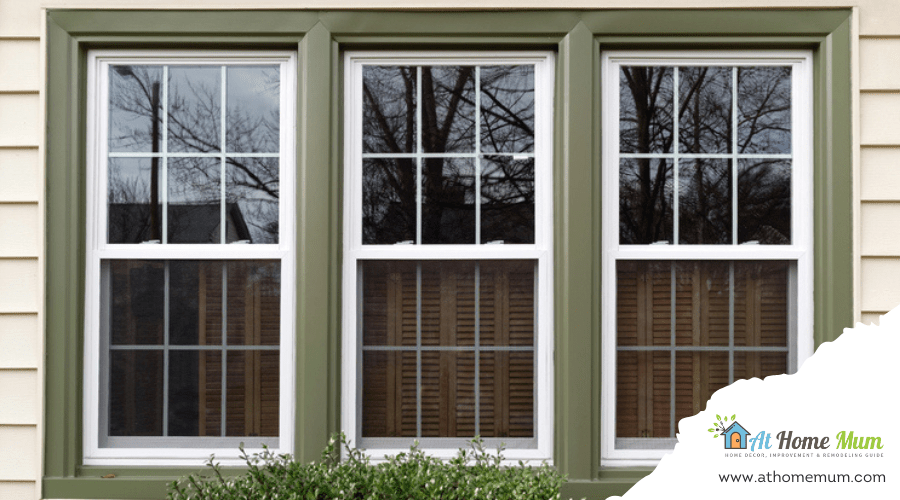
Natural light streaming through your windows can brighten up your home, but it also comes with challenges. Harsh sunlight can fade furniture, heat up your space, and raise energy costs.
Window tinting offers a practical solution to these problems while enhancing comfort and privacy. Read on as we discuss the benefits of tinted windows and why they are a smart addition to any home.
What is a Window Tint?
Window tint is a thin film applied to glass surfaces to alter how light passes through. It is typically made of polyester and contains layers designed to block UV rays, reduce glare, and regulate heat. Some tints use dyes, metals, or ceramics to achieve specific effects, such as darkening the glass or reflecting sunlight.
The thickness and composition of the tint determine its performance, including how much heat or light it filters out. This technology works by either absorbing or reflecting energy, which then helps to create a more controlled indoor environment.
The Benefits of Window Tint for Homes
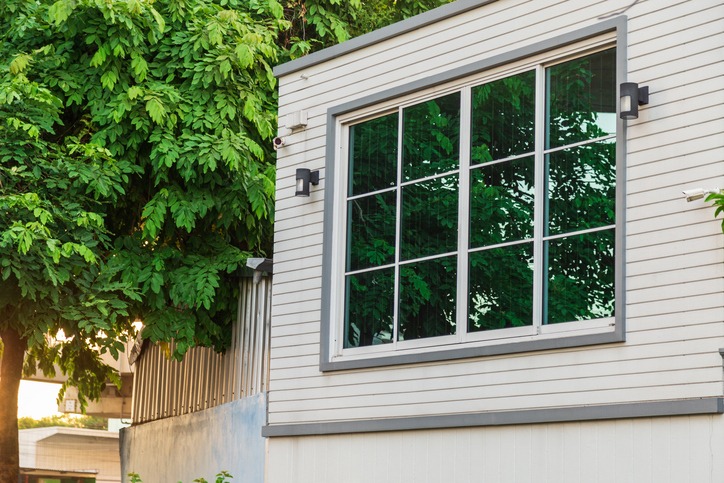
Adding window tint to your home offers more than just aesthetic improvements, as it also offers numerous benefits that can help homeowners have a more comfortable living space. Below are some of the advantages of window tint that address specific homeowner concerns.
Energy Efficiency
Reducing energy costs has been a priority for homeowners since the energy crisis of the 1970s. Window tint helps by reflecting heat during summer and retaining warmth in winter. According to the U.S. Department of Energy, homes with treated windows can lower heating and cooling costs by up to 30%.
The science behind this lies in the film's ability to minimize solar heat gain. A 2018 study by the National Renewable Energy Laboratory highlighted how advanced window films, such as low-emissivity coatings, outperform traditional insulation methods. Installing tint is a practical way to upgrade your home’s energy performance without replacing windows entirely.
Energy-efficient homes are also more environmentally friendly. With climate concerns on the rise, using less energy reduces your household's carbon footprint. This makes window tint a simple yet effective choice for eco-conscious homeowners.
UV Protection
Sunlight is pleasant, but its UV rays can cause long-term harm. The Skin Cancer Foundation endorsed window tint in 2007 as a preventative measure against UV-related skin damage. High-quality films can block up to 99% of harmful ultraviolet radiation.
UV exposure doesn’t just affect people. Furniture, carpets, and artwork also fade over time due to prolonged sunlight. A study conducted by the International Ultraviolet Association in 2012 confirmed that UV-blocking films significantly extend the lifespan of interior furnishings.
Homeowners who invest in tint often notice fewer repairs or replacements for their belongings. This benefit adds long-term value to your living space by preserving its appearance and quality.
Privacy and Security
Privacy concerns have grown alongside urban development and denser neighborhoods. Window tint offers a simple solution by reducing visibility from the outside while maintaining natural light indoors. This was first popularized in the early 2000s, with decorative and reflective tints gaining traction among suburban homeowners.
Security films, an offshoot of traditional tints, provide an additional layer of protection. These thicker films hold shattered glass together, reducing injuries during accidents or break-ins. After Hurricane Katrina in 2005, many homes in disaster-prone areas started using these films to prepare for extreme weather events.
Privacy-enhancing tints also cater to design preferences. Frosted or one-way mirror finishes allow homeowners to customize their windows while keeping interiors discreet. This balance of style and function makes tinted windows a practical choice.
Are There Disadvantages of Window Tint?
While window tint offers many benefits, it’s not without potential drawbacks. These factors are worth considering to make an informed decision for your home.
Cost of Installation
Professional window tinting can be expensive, especially for larger homes. The price varies depending on the type of film and the size of your windows. High-quality tints with advanced features, such as UV-blocking or low-emissivity coatings, typically cost more. A 2021 market report by EnergySage showed that installation for an average-sized home can range from $300 to $1,000.
DIY kits are an option but come with risks. Improper application can result in bubbles, streaks, or an uneven finish. This often leads to additional costs for repairs or professional reinstallation.
Maintenance and Durability
While most window tints are designed to last years, they require proper care to maintain their appearance. Cleaning them with abrasive materials or harsh chemicals can damage the film. Over time, cheaper tints may fade, peel, or develop cracks, especially in areas with extreme weather.
Warranty coverage varies by manufacturer. Some warranties last for a decade, while others may only cover a few years. Homeowners should review these details before purchasing to avoid unexpected maintenance expenses.
Potential Legal Restrictions
Some areas have regulations regarding window tint, particularly for homes in historic districts or neighborhoods with homeowners’ associations. Reflective films or tints that drastically change the exterior appearance of windows may not be permitted.
In some cases, excessively dark films might violate local safety codes. For example, emergency responders often need visibility into homes during certain situations. Before installing window tint, homeowners should check local rules to avoid fines or disputes.
Installing Window Tint

Applying window tint requires attention to detail to achieve a clean and functional result. While professional installation is recommended for the best outcome, some homeowners choose to tackle the project themselves. Below is a step-by-step guide to the process.
- Prepare the Surface: Clean the windows thoroughly using a glass cleaner and a lint-free cloth. Remove any dust, dirt, or grease to prevent imperfections under the film. A razor blade can help scrape off stubborn residue or stickers.
- Measure and Cut the Film: Measure your window’s dimensions carefully, leaving a small margin to trim excess film after application. Use a sharp utility knife to cut the tint film to size. It’s better to cut slightly larger than needed to allow for adjustments.
- Apply the Tint Film: Spray the window with a soapy water solution to help the film slide into place. Peel off the backing and position the adhesive side of the tint against the glass. Use a squeegee to smooth out air bubbles and wrinkles, starting from the center and working outward.
- Trim and Secure Edges: Once the film is in position, trim any excess material using the utility knife. Pay attention to the edges to avoid gaps or uneven lines. Press down firmly to secure the film and remove any remaining bubbles.
- Allow the Film to Cure: Let the tint cure for at least 24 to 48 hours before cleaning or touching the surface. This gives the adhesive time to set properly. Avoid rolling down tinted windows during this period if you’re working on sliding glass or car windows.
Conclusion
Tinting your home’s windows is a practical upgrade that brings both comfort and functionality. With options to match various budgets and styles, it’s a solution that works for many homeowners. Considering these benefits, window tinting is worth exploring as a way to improve your living space.