Why Wood Joinery Matters for Furniture Longevity
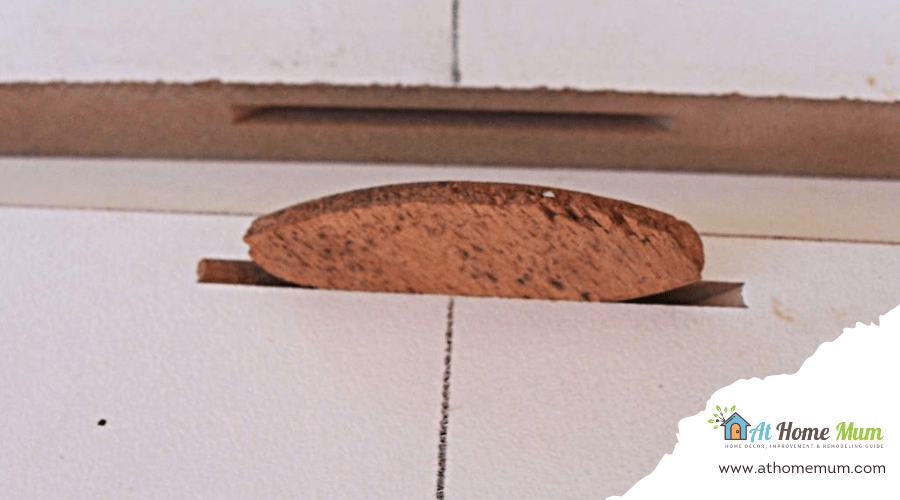
Billbeee at en.wikipedia, Biscuit-joint, CC BY-SA 3.0
Anyone who's ever admired a well-crafted piece of furniture knows there's more to it than meets the eye. The secret to its durability and beauty often lies in the intricate wood joinery techniques used to connect its various parts. Wood joinery is the art and science of securely joining wood pieces to enhance strength, flexibility, and longevity in furniture.
You'll find various types of wood joints, each serving a unique purpose based on the project's requirements and aesthetic goals. Common examples include mortise-and-tenon, dovetail, finger, butt, and lap joints. These joinery techniques are designed to account for natural wood movement, preventing warping or splitting over time. Polyester, a commonly used synthetic fabric, can also help reduce fading and add wrinkle resistance to upholstered furniture.
Types of Wood Joints
Mortise and tenon joints are a classic choice for furniture frames, offering durability and allowing for natural wood movement in chairs and tables. You'll find these joints provide exceptional strength and longevity to your furniture.
Dovetail joints, with their distinctive interlocking wedge-shaped pins and tails, are renowned for their resistance to pulling apart. They're commonly used in drawers and boxes, showcasing both strength and craftsmanship. For a similar but simpler option, finger joints offer straight-edged interlocking pieces, joining wood at right angles while highlighting the wood's natural beauty.
When you need a straightforward joint, butt joints connect two pieces end-to-end, often reinforced for added strength. Lap joints, where wood pieces overlap at the ends, provide strength without bulk. For increased stability and precise alignment, dowel joints use small wooden pins inserted into drilled holes, creating a larger glue surface area.
View this post on Instagram
The strength and durability of wood furniture hinge on several key factors. Well-designed joinery techniques, such as mortise-and-tenon and dovetails, play an indispensable role in ensuring your furniture's structural integrity. These methods provide exceptional resistance to pulling apart, allowing your pieces to withstand regular use and environmental changes for years to come. When choosing the right wood for a dining table, oak's density and hardness make it a popular choice for its strength and resistance to dings and dents. Precision in wood joinery is the key to accommodating natural wood movement. This prevents warping, cracking, or splitting over time, preserving your furniture's longevity. When you invest in furniture with strong wood joints, you're not only getting better long-term value but also pieces that can stand up to daily wear and tear. The craftsmanship involved in creating secure joints goes beyond mere functionality. It adds to the aesthetic appeal of your furniture, showcasing the woodworker's skill and attention to detail. By choosing furniture with carefully crafted joinery, you're ensuring that your pieces will not only last longer but also maintain their beauty and structural soundness. The ability to withstand the test of time is a hallmark of quality wood furniture, making joinery an essential consideration in your purchasing decisions. Beyond its structural importance, wood joinery often serves as an engrossing design element in furniture. You'll find that well-crafted joints not only guarantee stability but also enhance the visual appeal of your pieces. Exposed joinery techniques like dovetails and mortise-and-tenon joints can become defining features, adding character and uniqueness to your furniture. In contemporary designs, the precision and symmetry of joints like finger joints contribute to a clean, modern aesthetic that complements minimalist styles. You'll notice how the interplay of contrasting wood grains and textures created by different joinery methods can produce visually striking patterns, turning your furniture into captivating focal points. When you invest in furniture with thoughtfully designed and executed wood joinery, you're not just buying a functional piece. You're acquiring a work of craftsmanship that elevates the overall aesthetic value of your space. The attention to detail in the joinery showcases the woodworker's skill and highlights the natural beauty of the wood, making your furniture a centerpiece of attention and admiration. This artistic aspect of joinery transforms ordinary furniture into extraordinary pieces that stand the test of time. While wood joinery is essential for furniture longevity, even experienced woodworkers can make mistakes that compromise the integrity of their pieces. One common error is misaligning mortise-and-tenon joints, which can lead to wobbly and unstable furniture over time. You'll want to guarantee these joints are properly fitted and secure to maintain the piece's structural integrity. Another mistake to avoid is improperly cutting dovetail joints. If these don't fit tightly, your drawers and boxes may come apart sooner than expected. Pay close attention to detail when crafting these intricate joints. Don't overlook the importance of proper glue coverage and clamping pressure in butt joints. Insufficient attention here can result in splits and separations, weakening your furniture. When working with lap joints, you must account for wood movement. Failure to do so can cause joint failure as the wood expands and contracts naturally over time. Lastly, be careful when executing finger joints. Uneven or unmatched fingers not only compromise the joint's strength but also detract from the piece's aesthetic appeal. By avoiding these common mistakes, you'll create furniture that stands the test of time. To create quality joints that stand the test of time, you'll need the right tools in your arsenal. When it comes to furniture, joinery refers to the methods used to connect different wood pieces. Precise woodworking tools are essential for crafting accurate joinery that guarantees long-lasting furniture. A well-tuned combination square will help you mark and measure joints with high precision, while sharp handsaws, like dovetail saws, enable clean, straight cuts critical for tight-fitting joinery. Properly sharpened hand planes are priceless for flattening, squaring, and smoothing wood surfaces, assuring optimum joint assembly. Specialty jigs and fixtures can significantly improve the repeatability and accuracy of your joint-cutting operations. By investing in and mastering these tools, you'll be well-equipped to create furniture that lasts for generations. With the right tools in hand, you're ready to create lasting furniture. However, your work doesn't end once the piece is assembled. Maintaining wood joinery over time is essential for ensuring your furniture's longevity and structural integrity. Regular inspections are key to identifying potential issues early on. Look for loose joints, cracks, or signs of wear that may compromise the furniture's stability. When you spot problems, don't hesitate to reinforce weakened joints using specialized products like glue, dowels, or fasteners. Cheaply made furniture, often found in big-box stores, typically relies on screws, nails, or weak adhesives to hold pieces together. These shortcuts may keep a piece intact for a few years, but over time, stress and movement cause joints to loosen. Once that happens, repairs become difficult, and the furniture may wobble, creak, or eventually fall apart. Investing in furniture with solid joinery saves money in the long run by eliminating the need for frequent replacements. The longevity of wooden furniture comes down to how it’s built. Strong joinery not only holds a piece together but also enhances its beauty and functionality. Investing in well-joined furniture means fewer repairs, longer use, and timeless appeal that mass-produced options simply can’t match.Strength and Durability Factors
Aesthetic Impact of Joinery
Common Joinery Mistakes
Tools for Quality Joints
Maintaining Joinery Over Time
Why Poor Joinery Leads to Short-Lived Furniture
Wrapping Up