Tips for Using Mirrors to Enlarge Small Spaces
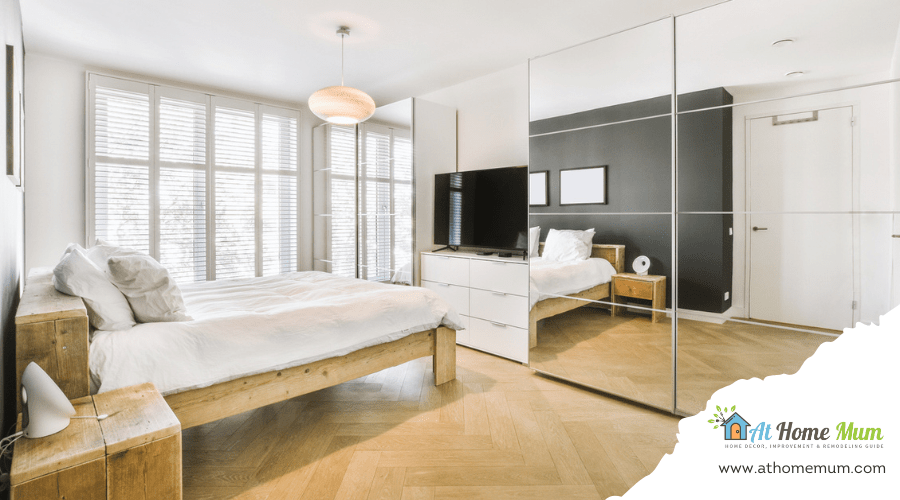
Mirrors have long been a trusted design tool for creating the illusion of space in small rooms. By reflecting light and extending views, they trick the eye into perceiving a larger, brighter environment.
Thoughtful placement and the right mirror style can elevate any space, turning even the tiniest rooms into inviting retreats. In this article, we’ll look at practical tips for using mirrors to open up your home and create a sense of spaciousness.
Choose the Right Mirror Style
Selecting the right mirror style is essential to enhancing a small space. Different types of mirrors serve various purposes, and they can often blend function with aesthetics. Here are some popular styles to consider:
Large Mirrors
A large mirror creates an instant sense of openness by reflecting more of the room. Consider a floor-length mirror or an oversized wall mirror to extend the visual space and make the room feel expansive.
Framed Mirrors
Mirrors with decorative frames add style while still expanding the room. Choose frames that match your interior design theme for a cohesive look that complements your décor.
Frameless Mirrors
Frameless mirrors offer a clean, modern look that fits well in minimalist spaces. They blend seamlessly into the wall and provide an uncluttered appearance that enhances the sense of space.
Round Mirrors
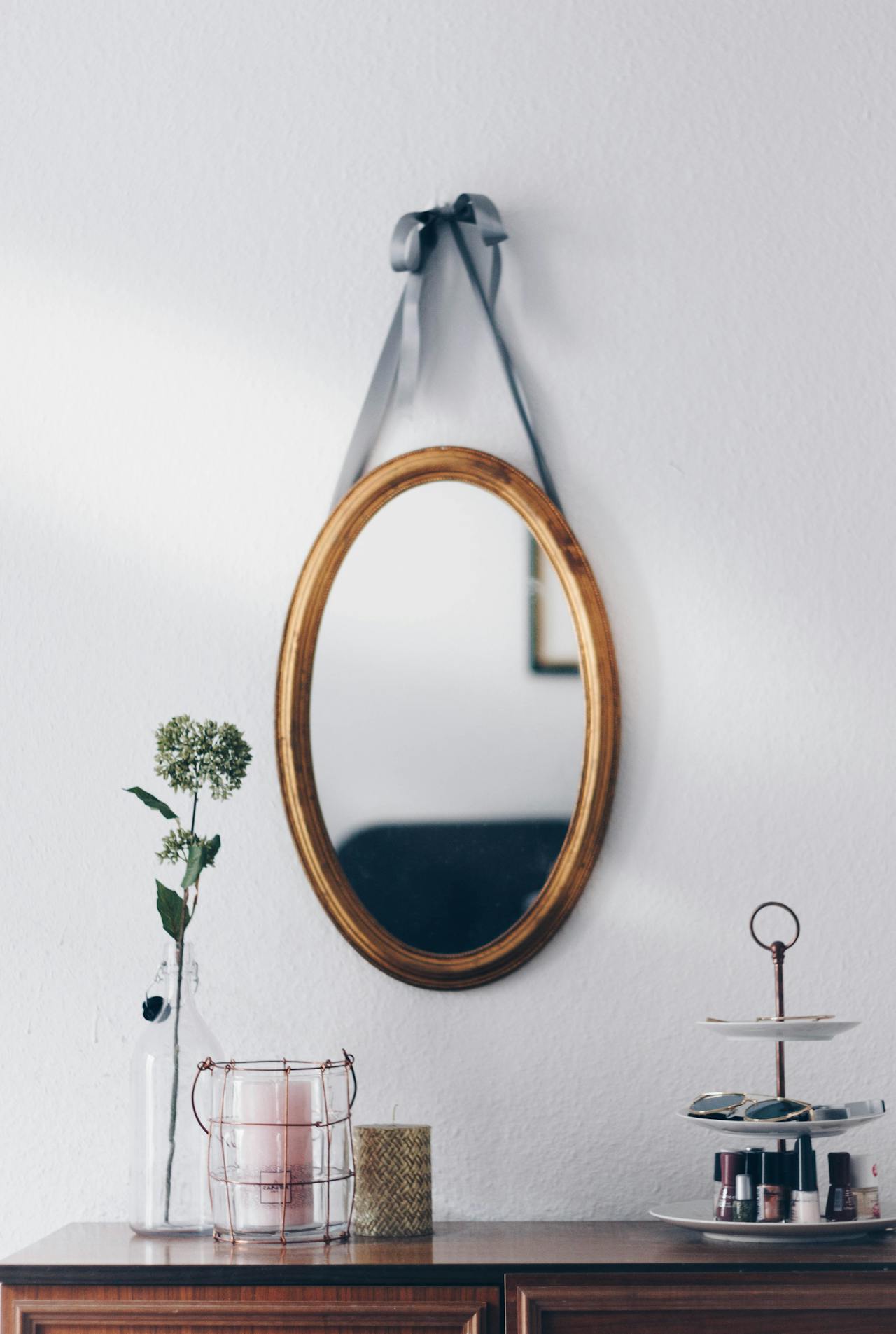
Round mirrors soften the sharp angles of a room while adding visual interest. They work well above consoles, dressers, or bathroom sinks, where they can create a balanced and inviting atmosphere.
Mirrored Panels
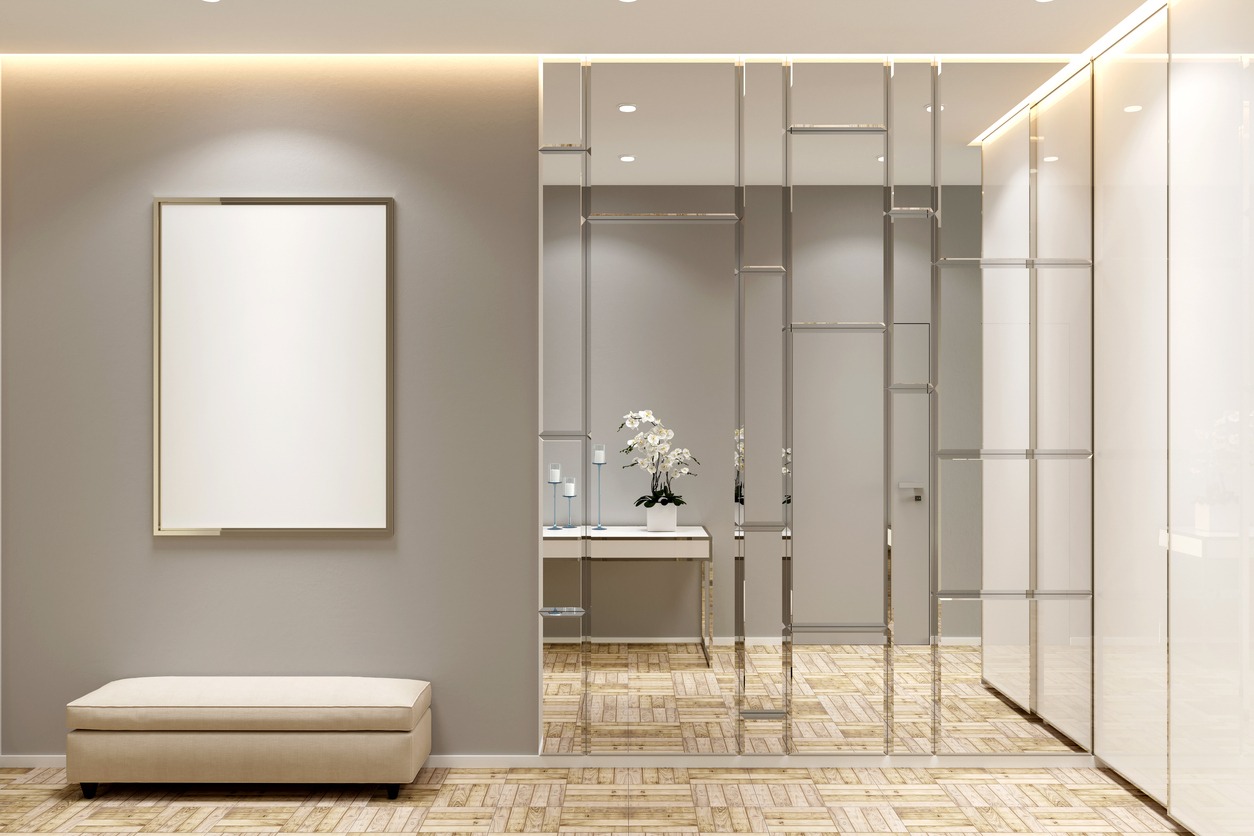
Mirrored panels create the illusion of larger windows or walls. Use them in hallways or narrow spaces to break up solid surfaces and introduce a reflective element that brightens the room.
Unique Shapes
Mirrors with geometric or asymmetrical designs add a creative touch while amplifying light and depth. They serve as both functional and artistic features in modern or eclectic interiors.
Strategic Mirror Placement
Strategic placement is important when using mirrors to enhance small spaces. Positioning a mirror opposite a window allows it to reflect natural light while brightening the room and creating a sense of openness. In darker areas, placing a mirror near a lamp or light fixture helps spread artificial light more evenly.
Mirrors work well when placed behind furniture like sofas, dining tables, or consoles. This technique extends the visual depth of the room and makes tight spaces seem less confined.
Hallways and entryways benefit from long, narrow mirrors that stretch the walls and draw the eye forward. Avoid positioning mirrors where they reflect clutter or unattractive views, as this can have the opposite effect on the space.
Maximize Light Reflection
Mirrors are highly effective at amplifying light in small spaces. Placing a large mirror directly across from a window doubles the amount of natural light in the room. The reflected sunlight brightens the space and creates a more open and airy atmosphere. Even in rooms with limited daylight, mirrors positioned near light fixtures help distribute light evenly across the area.
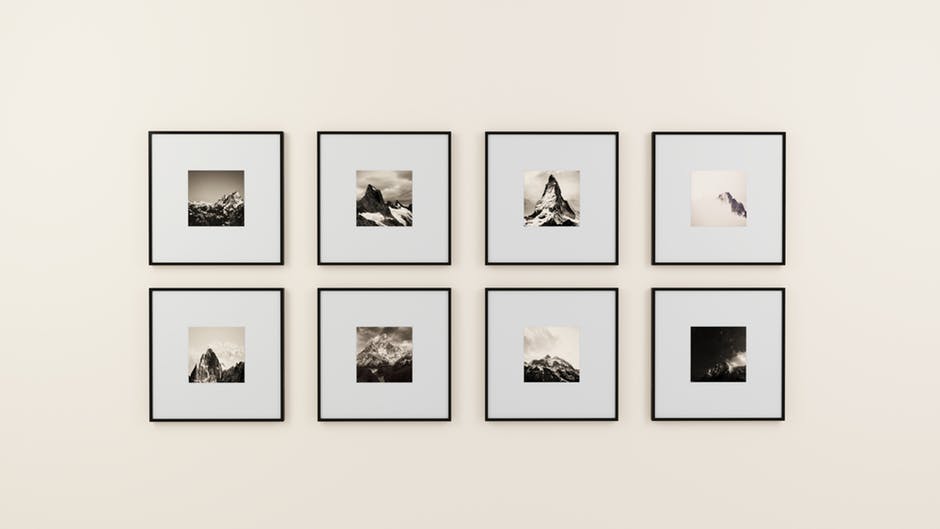
Mirrored walls are another option for boosting light reflection, especially in narrow spaces like hallways or small dining rooms. A full-wall mirror expands the room’s boundaries while intensifying the available light. Grouping smaller mirrors together as a gallery wall can also create a reflective surface while adding an artistic touch.
Use Mirrored Furniture and Accessories
Mirrored furniture is a stylish way to expand small spaces while adding a touch of elegance. A mirrored dresser, nightstand, or coffee table reflects its surroundings and creates the illusion of extra room. In small bedrooms or living areas, mirrored furniture helps break up heavy, solid surfaces and keeps the space feeling light and open.
Accessories like mirrored trays, vases, and wall accents are also effective in boosting brightness and depth. A decorative mirror placed on a mantel or console table serves as both a statement piece and a light-enhancing feature. Small mirrored coasters or candle holders catch the light and create subtle reflections that brighten the room.
Room-Specific Tips for Placing Mirrors
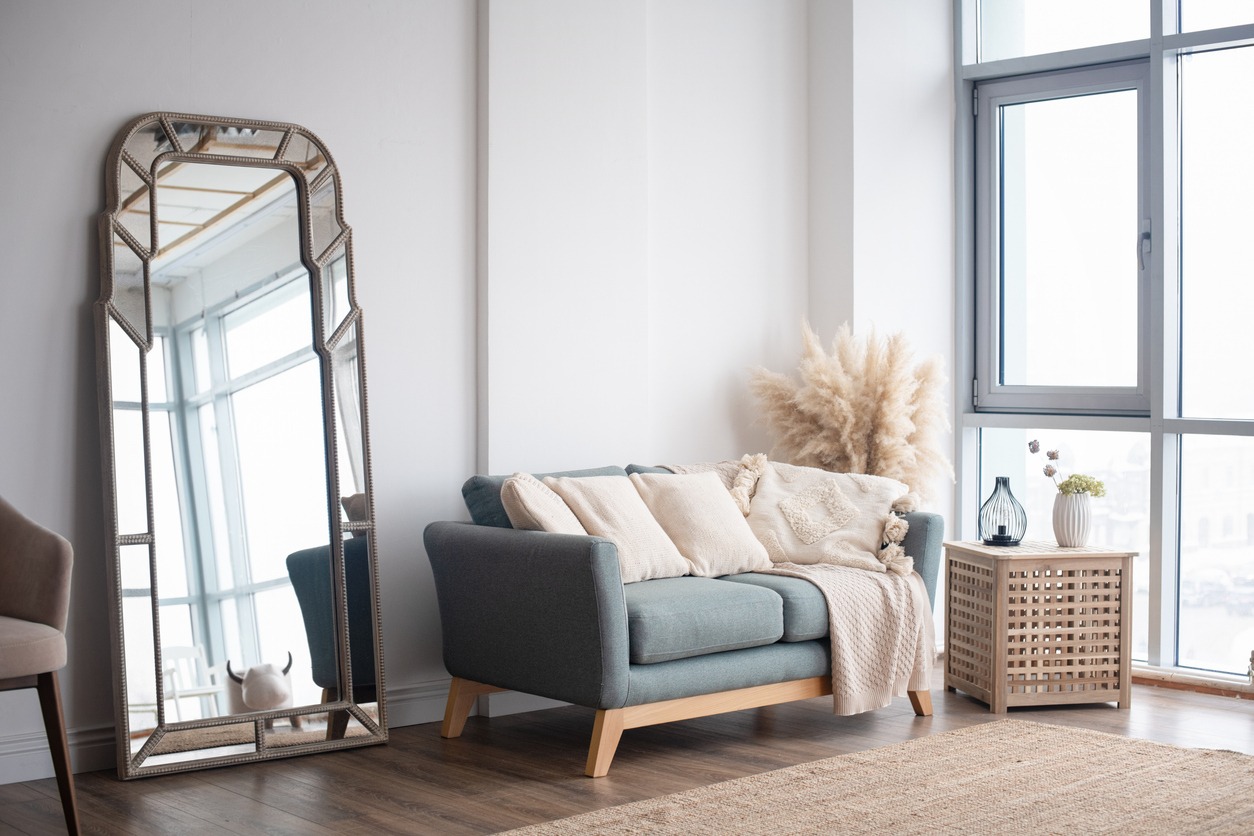
There are certain rooms where you need to place mirrors in specific locations so that they can be more effective in enlarging a space. Take a look at these mirror placement tips for each room of your home to learn more.
Living Room
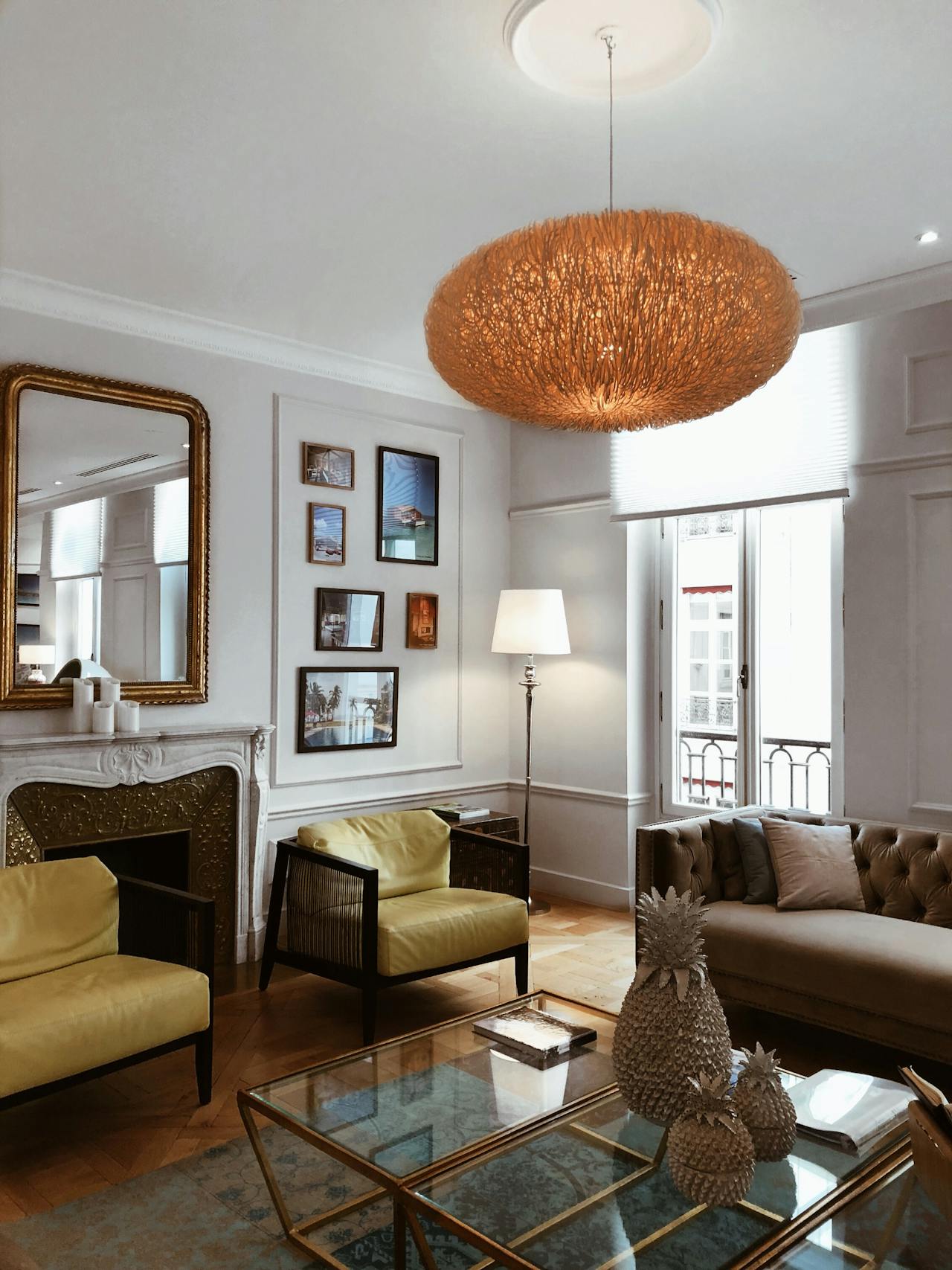
The living room often serves as the central gathering space, so mirror placement here should maximize light and create a sense of openness. A large mirror above the fireplace acts as a focal point while reflecting light throughout the room. Alternatively, place a mirror behind the sofa or above a console table to extend the room visually and add elegance.
If your living room has a dark corner, placing a floor-length mirror nearby helps bounce light into the area. Pair the mirror with a decorative lamp or wall sconce for even more brightness. Avoid placing mirrors where they reflect cluttered areas or the back of the TV, which can be distracting.
Bedroom
Mirrors in the bedroom should balance style and practicality. A full-length mirror near the closet or dresser is essential for getting ready while adding depth to the space. Consider a large mirror above the headboard for a statement look that reflects light and creates a sense of balance.
Nightstands with mirrored surfaces or decorative mirrors above bedside tables add a touch of luxury. Be mindful of placing mirrors where they reflect the bed directly, as some people find this unsettling. Use soft lighting nearby to create a calming and cozy atmosphere.
Bathroom
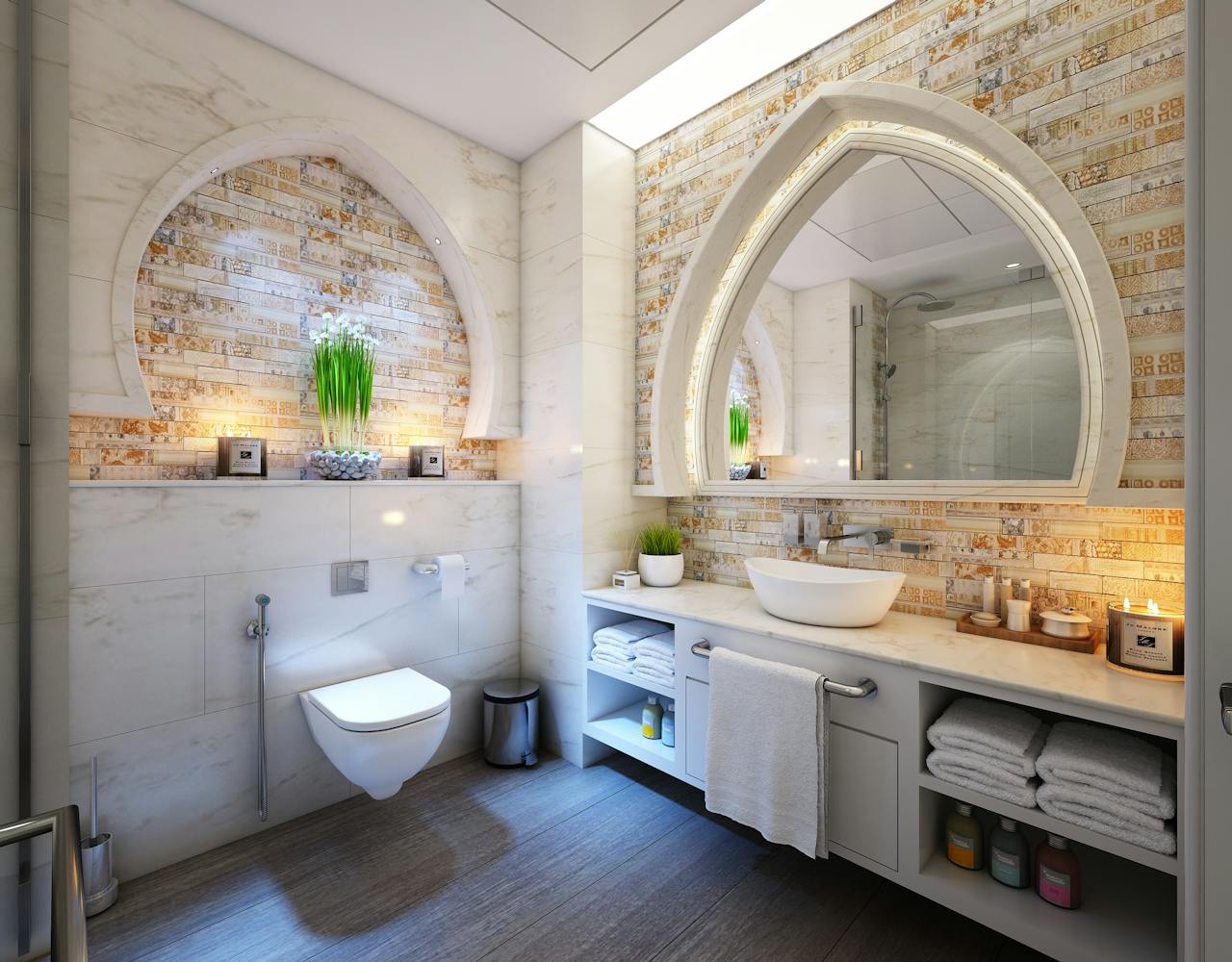
Bathrooms benefit greatly from mirrors, especially in small or windowless spaces. A large mirror above the sink extends the room visually and helps with everyday tasks. For a modern look, consider installing a frameless mirror that runs from the countertop to the ceiling.
Mirrored cabinets provide additional storage while enhancing the room’s depth. If space allows, a second mirror on the opposite wall boosts light and creates the illusion of a larger space. Proper lighting around the mirror is essential for practical use and for creating a fresh, inviting feel.
Entryway
The entryway sets the tone for the rest of the home, and a well-placed mirror makes it feel more open and welcoming. A mirror above a console table reflects light from nearby lamps or windows, brightening the space. Choose a framed mirror that complements your home’s style for added visual appeal.
A full-length mirror near the door is useful for last-minute outfit checks before heading out. In narrow hallways, a series of smaller mirrors creates a decorative feature while making the space appear wider. Avoid placing mirrors where they reflect the door directly, as this can disrupt the sense of flow.
Dining Room
Mirrors in the dining room enhance the ambiance while amplifying light during meals and gatherings. A large mirror on one wall reflects the dining table, creating the illusion of a larger, more open space. Choose a decorative frame that matches the dining room's design for added sophistication.
Consider using mirrored panels or a mirror-backed buffet for added style. Candlelit dinners become even more atmospheric when the flickering flames are reflected across the room.
Conclusion
Mirrors are one of the simplest and most effective tools for making small spaces feel larger and brighter. By incorporating mirrors into your home’s décor, even the smallest rooms can appear more open and inviting.