Tips for Protecting Your Windows From Active Kids
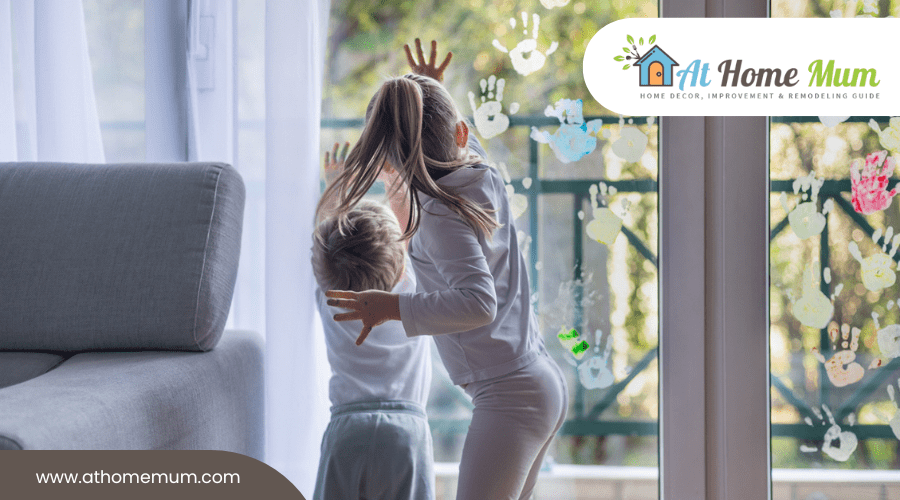
Active kids bring energy and excitement to any home, but they can also pose a challenge when it comes to keeping windows safe and intact. Accidents happen quickly, and windows are often at risk during playtime or other activities.
Learning a few practical tips can help keep your windows secure while still allowing kids to be kids. This guide offers easy solutions to protect both your home and your peace of mind.
Window Fall Risks
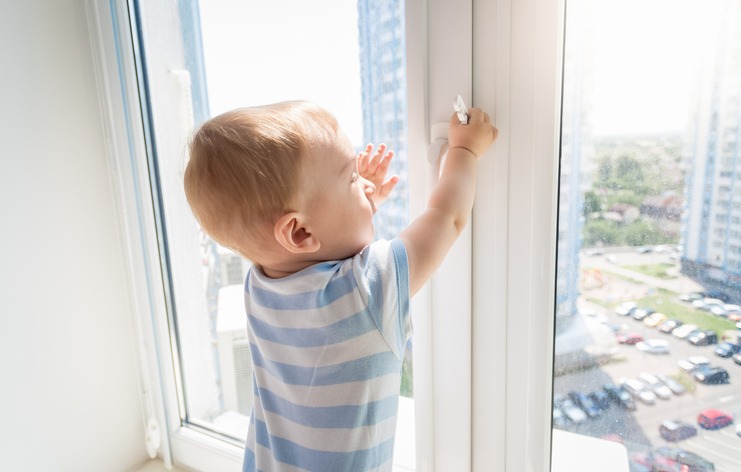
While many parents focus on childproofing their homes, they often overlook the dangers posed by windows. Window falls are more common than you might think, presenting a vital risk to young children's safety. On average, 8 children aged 5 and under die annually from window falls, with over 3,300 sustaining injuries.
It's essential to understand that window screens don't prevent falls. They're not designed to withstand a child's weight and can give a false sense of security. Leaving windows open, even slightly, can be hazardous.
Be aware of furniture placement near windows. Chairs, beds, or other climbable objects can serve as launching pads, allowing children to access open windows easily. Always keep furniture away from windows to reduce this risk. Ensuring children have a designated area for play and exploration can also help minimize the temptation to climb near windows.
Adult supervision is key in preventing window falls. Many incidents occur due to lack of vigilance. Educate yourself and others about window safety, and never leave young children unattended near open windows.
Child-Proofing Window Openings
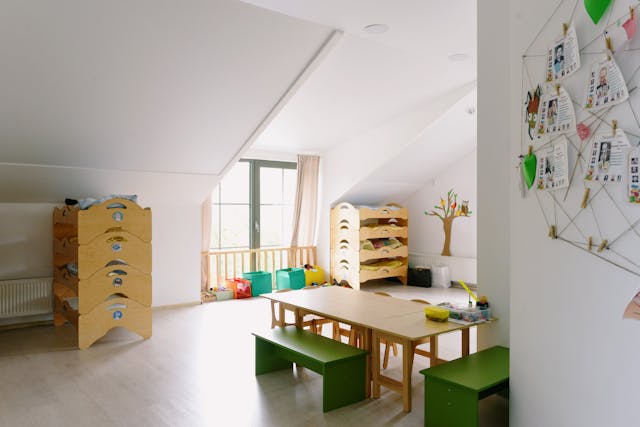
Child-proofing window openings is an essential step for creating a safer environment at home. One effective option is installing window guards, which are metal or aluminum bars designed to prevent kids from falling. These guards are sturdy and adjustable. Always choose guards that meet safety standards and allow for quick removal in case of emergencies.
Another useful tip is to secure windows with safety stops or locks that limit how far they can open. These devices are easy to install and help keep windows open just enough for ventilation without posing a safety hazard. Make it a habit to check these locks regularly to ensure they are functioning properly. Consistent use of safety stops can prevent accidents while still allowing airflow in the room.
Furniture placement also plays a key part in window safety. Avoid placing beds, chairs, or other climbable items near windows, as kids are naturally curious and may attempt to reach higher areas. Consider rearranging your space to keep tempting objects like toys or decorations away from window sills. Small changes to the layout of a room can greatly improve safety and peace of mind.
Safe Furniture Placement
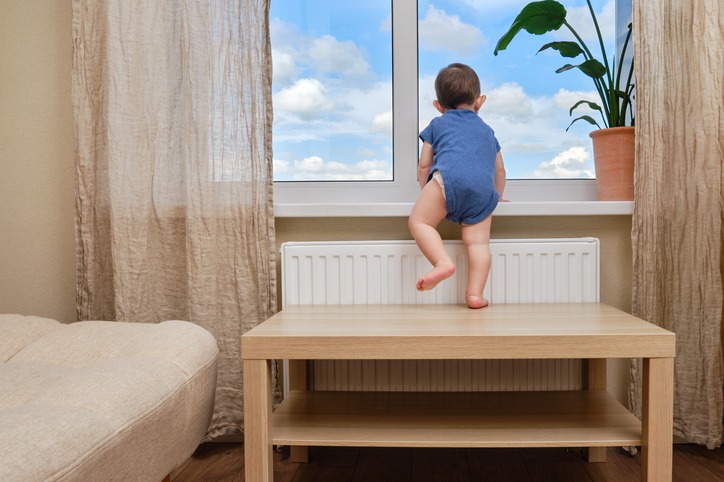
Safe furniture placement is an important part of creating a secure home for children. Start by keeping heavy furniture like bookshelves and dressers away from windows to reduce climbing risks.
Kids often see furniture as an invitation to explore higher spaces, so anchoring these pieces to the wall adds an extra layer of safety. This simple adjustment helps prevent tipping accidents and keeps your space organized.
Think carefully about where you place beds and other seating near windows. Positioning them too close may tempt kids to lean, climb, or even accidentally push against the glass. Opt for layouts that keep furniture at a safe distance from windows to minimize risks. This setup also allows for better use of natural light without compromising safety.
Small details can make a difference when arranging furniture. Avoid placing tempting objects like toys, plants, or decorations on window sills, as these can encourage kids to reach and climb. Instead, create a designated play or display area away from windows to keep children focused on safer activities.
Choosing Child-Safe Window Coverings
Selecting the right window coverings is crucial for maintaining a safe environment for children. Cordless blinds and shades are among the safest options available, as they eliminate the hazards posed by dangling cords. Look for coverings specifically labeled as cordless or those that use a wand or hidden lift mechanism. These designs reduce risks while offering a sleek and functional solution for your windows.
For families who prefer curtains, selecting lightweight materials is key. Heavy drapes may look appealing but could pose a danger if pulled down by an active child. Secure the curtain rods firmly to the wall and avoid using decorative tiebacks with cords or loops. Alternatives like magnetic or clip-on ties are safer and easier to adjust as needed.
Regular maintenance of your window coverings also plays an important role in safety. Check blinds, shades, and curtain rods periodically to make sure they are securely installed and in good condition. Replace any damaged parts immediately to prevent potential accidents.
Teaching Kids Window Safety

While child-safe window coverings are a key safety measure, teaching kids about window safety is equally important. Start by educating your children on the dangers of playing near open windows and demonstrating proper behaviors to prevent falls. Explain that windows are for ventilation and viewing, not for climbing or leaning out.
Constant supervision is indispensable when windows are open, especially for young children. Make it a habit to keep an eye on them during these times. Regularly review and practice emergency escape plans with your family, ensuring everyone knows how to open designated exit windows quickly and safely.
Provide age-appropriate explanations about window safety devices like stops and guards. Help your children understand their purpose and significance in keeping them safe at home. Encourage them to immediately report any window safety issues or hazards they notice to an adult.
Conclusion
Protecting your windows from active kids is about combining safety with practicality. Simple measures like installing window guards, choosing child-safe coverings, and carefully placing furniture make a home safer without limiting children’s energy and curiosity.
A little attention to detail goes a long way in preventing accidents and keeping windows intact. By making thoughtful choices and staying proactive, parents can enjoy peace of mind while giving their kids the freedom to play and explore in a safe space.