Tips for Finding the Best Front Door for Your Home
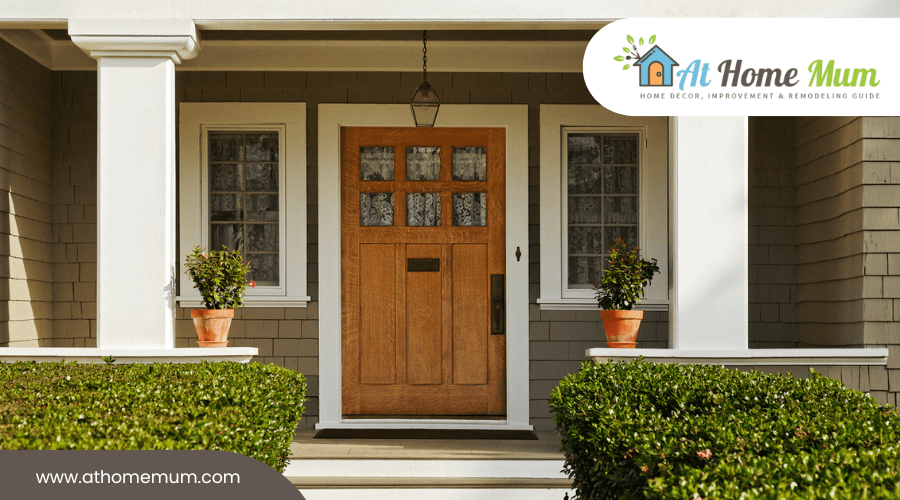
The front door is one of the first things people notice about your home. It sets the tone for your space and serves as both a welcoming element and a protective barrier.
So, choosing the right door means balancing style, security, and practicality while keeping your budget in mind. This article will offer straightforward tips to help you find a door that fits your needs and enhances your home’s overall appeal.
How Important is a Front Door?
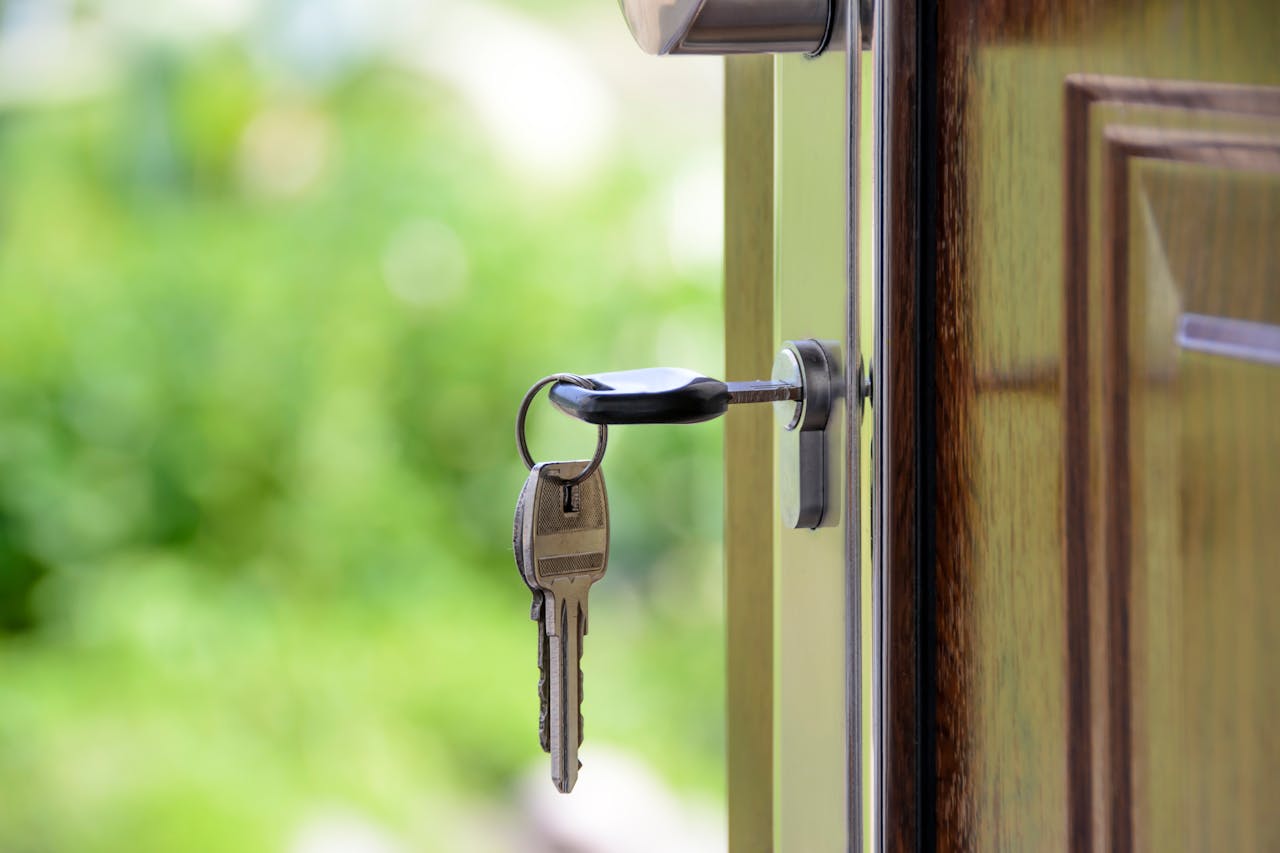
The front door is important in improving the function and appearance of a home. It is more than just an entryway, as it also serves multiple purposes that contribute to the safety and comfort of your living space.
- Security: A sturdy front door protects your home from potential intruders and keeps your family safe.
- Energy Efficiency: Modern front doors help maintain indoor temperatures by reducing drafts and heat loss.
- Curb Appeal: The right door adds to your home’s exterior design and leaves a lasting impression on visitors.
- Noise Reduction: Quality materials and insulation can block outside noise for a quieter indoor environment.
- Durability: A well-chosen front door withstands weather and wear while staying reliable for years.
- Increased Value: Upgrading your front door can boost your home’s overall value and appeal to potential buyers.
How to Find the Best Front Door
Finding the best front door involves balancing style and functionality. A good choice of front door enhances your home's appearance while meeting your security and energy efficiency needs. Here are some tips to guide you through the process of finding the best one for your home.
Match the Door to Your Home’s Style
The style of your front door should complement the design of your home. A modern house suits sleek doors with simple designs, while a traditional home looks better with wood doors featuring decorative details. Think about how the door’s color and material work with the rest of the exterior.
Choosing the right style also involves considering personal preferences. Decide if you want a bold statement with a vibrant color or a subtle look with neutral tones. The goal is to find a door that feels like a natural extension of your home.
Focus on Security Features
A front door is one of the most important parts of home security. Look for doors made from durable materials like solid wood, steel, or fiberglass. Doors with reinforced glass inserts are a good option if you want natural light without compromising safety.
Pay attention to locks and hardware. A deadbolt is a basic necessity, but many homeowners now opt for smart locks for added convenience. Hinges, peepholes, and strike plates should also be high-quality to keep your home protected.
Consider Energy Efficiency
A well-insulated front door helps maintain indoor temperatures and reduces heating and cooling costs. Materials like fiberglass and steel often have cores designed for insulation. Weatherstripping around the edges prevents drafts and keeps energy bills low.
Energy-efficient doors can also add to the comfort of your home. They block out unwanted heat in the summer and cold in the winter. Look for options with an Energy Star rating for reliable performance.
Choose a Material That Works for You
Front doors come in materials like wood, steel, fiberglass, and glass. Wood doors are classic and customizable but may require regular maintenance. Steel doors are durable and affordable but can dent over time. Fiberglass doors combine the best of both and need little upkeep.
Glass doors or doors with glass panels are popular for their aesthetic appeal, but they may require extra attention to security. Think about your priorities and select a material that balances your needs and lifestyle.
Stick to Your Budget
Front doors are available at a range of prices. Standard doors are more affordable, while custom designs cost more. Decide how much you want to spend before starting your search.
It is also important to consider installation costs. Professional installation is often recommended for the best fit and performance. A well-installed door lasts longer and performs better, so it is worth the investment.
What to Avoid When Buying a Front Door
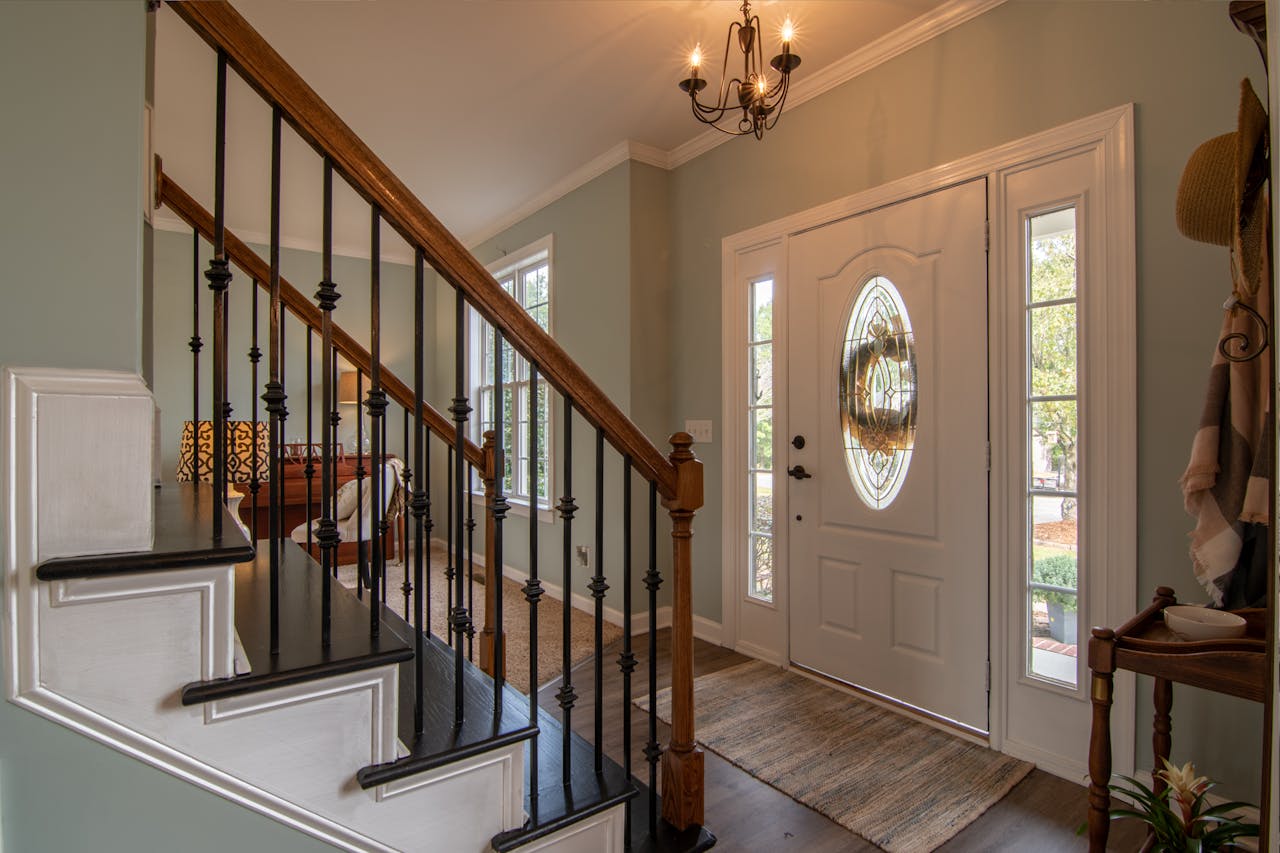
Choosing the wrong front door can lead to issues with security, energy efficiency, and overall satisfaction. Knowing what to avoid will help you make a better choice. Below is a list of common mistakes to watch out for when buying a front door.
Choosing the Wrong Size
A door that does not fit properly can cause drafts and security problems. Always measure the doorway carefully and confirm the dimensions before purchasing. Standard doors may not work for custom openings, so double-checking is essential.
Installing a door that is too large or small can also result in costly modifications. Work with a professional or use detailed guides to ensure you get the right fit for your home.
Prioritizing Price Over Quality
Cheap doors may seem like a good deal, but they often lack durability and energy efficiency. Poor materials and construction can lead to problems like warping, dents, and poor insulation.
Invest in a quality door that suits your budget without cutting corners. A higher upfront cost often pays off in terms of longevity and performance.
Ignoring Energy Efficiency
A door without proper insulation can lead to higher utility bills and discomfort in your home. Skipping features like weatherstripping and insulated cores can cost you in the long run.
Look for energy-efficient doors with reliable ratings. They keep your home comfortable while helping you save on heating and cooling costs.
Overlooking Maintenance Requirements
Some materials require more care than others. Wood doors, for example, need regular sealing or painting to maintain their appearance and durability.
Consider your willingness to maintain the door before buying. Fiberglass and steel options are often easier to care for and can save you time and effort.
Not Checking Security Features
A door with weak locks or poor-quality materials leaves your home vulnerable. Avoid doors that lack a solid core or are made from low-grade materials.
Choose a door with sturdy locks and reinforced construction. Features like deadbolts and smart locks can enhance security and give you peace of mind.
Conclusion
By considering your home’s design, prioritizing quality materials, and factoring in long-term needs, you can find a door that works for your space and lifestyle. Taking the time to make a thoughtful choice will leave you with a door that you’ll appreciate every time you walk through it.