Tips and Tricks for Adding Color to Your Home’s Interior
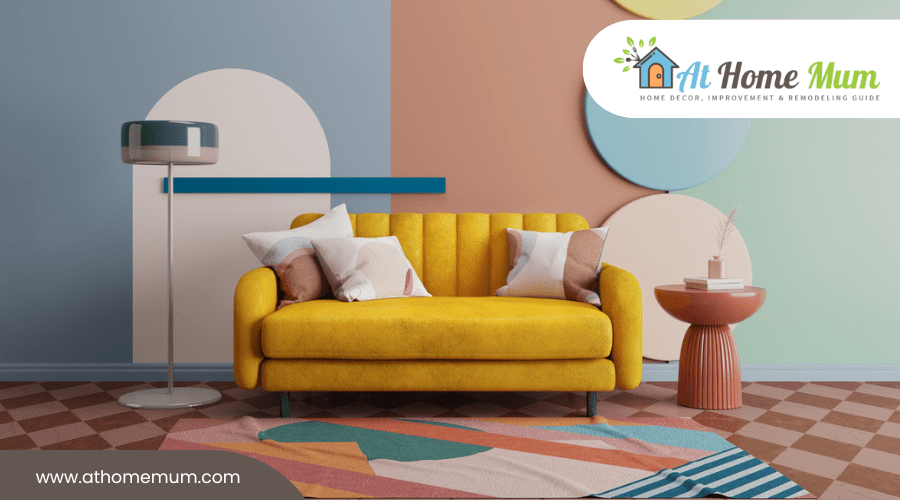
Color adds personality to any home. It creates moods, defines spaces, and reflects your taste. With the right approach, you can use color to make your living space feel more inviting and lively. If you are looking for ways to add new energy to your rooms, read on for ideas to brighten your space and add character without making drastic changes.
The Benefits of Color in a Home’s Interior
Color adds more than just aesthetics to your home, as it is also essential in creating an atmosphere that suits your lifestyle. Below are the benefits of incorporating color into your home’s interior:
- Boosts Mood: Certain colors help create a cheerful or calming atmosphere. Bright shades like yellow and orange bring energy and positivity. Softer colors like blue and green promote relaxation and calm.
- Defines Spaces: Using different colors helps set apart various parts of a home. An accent wall or colored furniture creates visual boundaries without needing physical barriers.
- Expresses Personality: Colors let your personality show. Bold and vibrant colors reflect an outgoing character. Neutral tones reflect a preference for simplicity and elegance.
- Adds Visual Interest: Plain spaces can feel dull. Adding color brings life to a room and makes it more visually engaging. Patterns and color combinations keep rooms interesting.
- Enhances Perception of Space: Lighter colors make small rooms look larger, while dark colors make bigger rooms feel cozier and more intimate.
- Increases Comfort: Color makes spaces feel more inviting. Warm shades like reds and oranges create a cozy atmosphere that feels welcoming and comfortable.
Understanding the Basics of Color Theory

Color theory is a key part of home design. It helps you choose colors that work well together and create a pleasing look. Here are the factors you need to know to understand the basics of color theory.
The Color Wheel
The color wheel is a tool that shows how colors relate to each other. It arranges primary, secondary, and tertiary colors in a circle. This helps you see which colors are opposite each other and which ones are next to each other. Learning to use the color wheel helps you choose colors that match or contrast well.
The primary colors are red, blue, and yellow. They are the base colors that combine to create secondary colors like green, orange, and purple. Tertiary colors come from mixing primary and secondary colors.
Warm vs. Cool Colors
Colors are often divided into warm and cool categories. Warm colors like red, orange, and yellow create energy and make a room feel inviting. Cool colors like blue, green, and purple give a calming effect and make spaces feel relaxed. Deciding between warm and cool colors depends on the type of atmosphere you want to create.
Warm colors work well in areas where people gather, such as living rooms and kitchens. Cool colors are better for places where you want to rest or focus, like bedrooms and home offices. Using a mix of warm and cool colors adds balance to your home.
Complementary and Analogous Colors
Complementary colors sit opposite each other on the color wheel. These include pairs like blue and orange or red and green. Using complementary colors creates a bold look. These colors make each other stand out and add contrast to a room.
Analogous colors sit next to each other on the color wheel. These include sets like blue, blue-green, and green. Using analogous colors creates a more harmonious look. Rooms with these colors feel coordinated and easy on the eyes.
The Role of Neutrals
Neutral colors like white, gray, and beige help balance out more vibrant colors. They work well as backgrounds and make brighter colors pop. Neutrals are also useful for creating spaces that feel calm and timeless. Adding neutral colors to a space makes it easier to change accents later without redoing the whole room.
Using neutrals in a room adds depth. Pairing them with one or two bold colors adds interest without feeling overwhelming. Neutrals are the bridge between bold elements and subtle ones.
Tips for Adding Color to Your Home
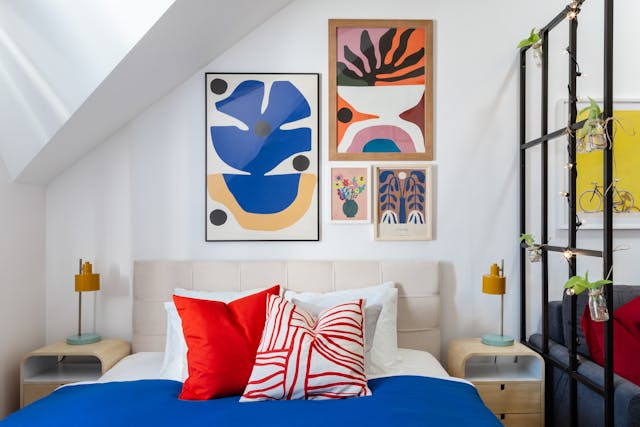
Adding color to your home doesn’t have to be expensive or complicated, as there are much simpler methods to add color to the interior and elevate its appearance. Here are several practical tips for adding color to the interior of your home.
Start with Accessories
Accessories are an easy way to bring color into a room. Items like throw pillows, blankets, and rugs come in a variety of colors and patterns. You can swap them out as often as you like. This makes it easy to experiment with different looks without committing to one color permanently. Accessories help you try out different shades and styles before making bigger changes.
Small decorative items like vases, lamps, and picture frames also add color. These touches brighten a space and tie in with other elements of the room. Accessories work well for anyone who wants to add color but prefers to keep walls and furniture neutral.
Use Accent Walls
An accent wall is a great way to add color without changing an entire room. Painting one wall in a bold color draws attention and makes the space feel more dynamic. It allows you to try out bright or dark shades that might feel too strong on all four walls. Accent walls are perfect for living rooms, bedrooms, and dining areas.
If painting isn’t what you want, use wallpaper or removable decals. These options offer different patterns and textures that bring life to the room. This approach makes it easy to change the look of a space when you want something different.
Bring in Artwork
Artwork adds personality and color to any room. Choose pieces that include the colors you want to use in your space. Large paintings and framed prints add a focal point and bring color to blank walls. Smaller pieces arranged in a gallery wall, depending on your choices, add a playful or stylish look.
Art isn’t limited to traditional paintings. Wall hangings, metal art, and even handmade crafts bring color and texture. Choose items that reflect your taste and mix them to create an interesting display.
Add Colorful Furniture
Furniture pieces in bold colors make a statement and add interest. A brightly colored chair, sofa, or table changes the feel of a room without much effort. Choose one or two pieces to keep the space balanced. This works well in rooms with neutral walls and floors. It gives you the freedom to make updates without changing the entire space.
Accent furniture like ottomans, side tables, or benches also add splashes of color. They are easier to change than larger pieces like couches. This lets you experiment and update your space whenever you feel like it.
Play with Textiles
Textiles like curtains, bedspreads, and table runners add color and texture. Choose colors that fit with your theme or that contrast to create a lively look. Textiles are easy to swap out when you want to refresh a room’s look. They are also practical since they serve a purpose while adding color.
Layering textiles adds depth to a room. Pairing different fabrics and patterns creates a cozy and interesting space. Curtains in a bold color or pattern bring attention to windows and change the light in a room. Mixing solid-colored items with patterned ones adds balance to the interior’s appearance.
Conclusion
Adding color to your home is an easy way to make your space feel more lively and personal. Start small and build confidence in choosing colors that suit your taste. Trying different methods helps you learn what works best for you. Your home is a reflection of who you are, and using color is a fun way to make it feel more inviting and unique.