Timeless Elegance: Exploring the Most Iconic Interior Design Styles
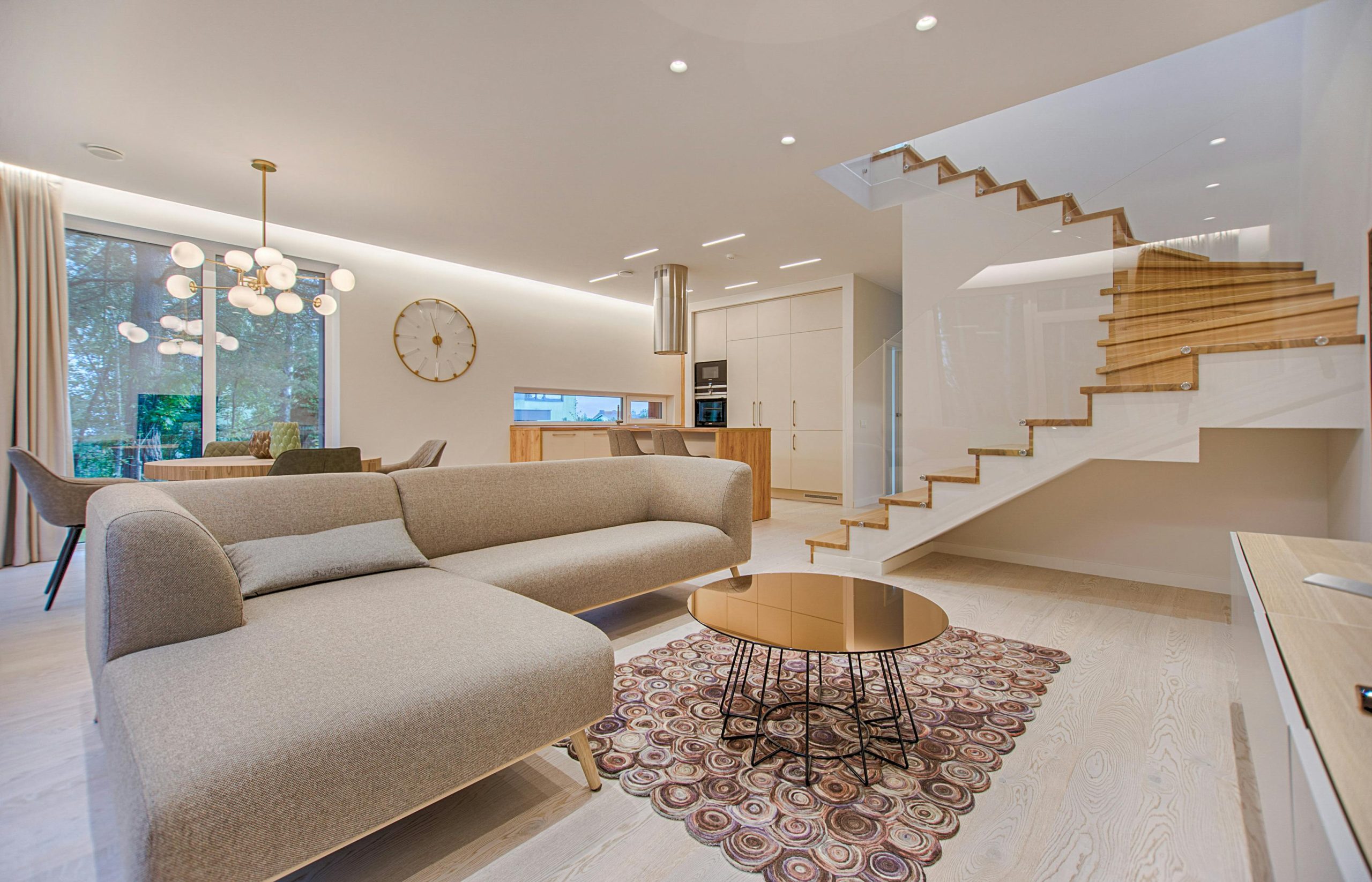
Interior design is more than just arranging furniture and picking paint colours; it’s about creating a space that tells a story, evokes emotion, and reflects personality. Throughout history, distinct design styles have emerged, each leaving a lasting legacy. From ornate Victorian charm to sleek modern minimalism, these styles have shaped how we define beauty and functionality in our homes. Let’s take a journey through some of the most iconic interior design styles, highlighting what makes each unique and timeless.
1. Victorian Splendour: Opulence Meets Functionality
Stepping into a Victorian-inspired room feels like entering a bygone era of elegance and sophistication. Originating during Queen Victoria’s reign (1837-1901), this style is synonymous with intricate detailing, rich textures, and ornate furnishings.
Key Features of Victorian Design:
- Colour Palette: Deep, dramatic hues like burgundy, emerald green, and navy blue dominate, often paired with gold or brass accents.
- Furniture: Pieces are typically heavy and elaborately carved, often made of dark woods like mahogany or walnut.
- Decor: Rooms are adorned with patterned wallpapers, intricate mouldings, and decorative trims.
Victorian Design in Bathrooms: Victorian bathrooms exemplify the era’s commitment to luxury and attention to detail. Imagine a clawfoot bathtub as the centrepiece, surrounded by polished brass fixtures, vintage tiles, and perhaps a chandelier overhead.
Some stylish Victorian bathroom ideas include adding elements like a high-level cistern toilet, pedestal sink, and floral or damask wallpaper completes the look. Even in modern homes, a Victorian bathroom can be a nod to history while maintaining contemporary functionality.
Victorian Design in Kitchens: Victorian kitchens combine beauty with utility, featuring dark wooden cabinets with decorative mouldings, copper cookware, and tiled backsplashes with intricate patterns. Large farmhouse sinks, freestanding furniture like islands, and vintage-inspired appliances can help recreate this opulent yet functional style.
2. Art Deco: Glamour and Geometry
Emerging in the 1920s and 1930s, Art Deco reflects a period of innovation and luxury. This style combines bold geometric patterns with opulent materials, creating spaces that are both functional and glamorous.
Key Features of Art Deco Design:
- Shapes and Patterns: Zigzags, chevrons, and sunbursts are common motifs.
- Materials: Polished metals, glass, mirrors, and exotic woods are frequently used.
- Colour Palette: Think black, white, gold, and jewel tones like emerald and sapphire.
An Art Deco bathroom might feature a dramatic black-and-white tiled floor, sleek chrome fixtures, and angular lighting to evoke its signature aesthetic.
3. Mid-Century Modern: Simplicity and Function
The mid-century modern movement rose to prominence in the mid-20th century, defined by its clean lines, organic shapes, and emphasis on functionality. This style’s enduring popularity lies in its versatility and timeless appeal.
Key Features of Mid-Century Modern Design:
- Furniture: Iconic pieces with tapered legs and minimalist forms, often made of teak or walnut.
- Colour Palette: Earthy tones like mustard, olive, and burnt orange, balanced with neutrals.
- Decor: Minimal ornamentation with an emphasis on practicality.
In bathrooms, this translates to floating vanities, sleek tiles, and fixtures that blend form with function.
4. Scandinavian Simplicity: Beauty in Minimalism
Scandinavian design emerged in the early 20th century, embodying the philosophy of “less is more.” Known for its clean lines, neutral colours, and cosy elements, this style creates spaces that feel calm and inviting.
Key Features of Scandinavian Design:
- Colour Palette: Predominantly white with accents of grey, beige, and soft pastels.
- Furniture: Simple and functional, often made of light woods like birch or pine.
- Decor: Natural materials like wool, leather, and linen add warmth, while greenery brings life to the space.
Scandi bathrooms are a sanctuary of tranquillity, featuring clean layouts, light-coloured tiles, and natural wood accents. A touch of greenery or soft textiles completes the hygge-inspired look.
5. Industrial: Raw and Rugged
Inspired by old factories and warehouses, the industrial style celebrates raw, unfinished elements. It’s a favourite for loft apartments and urban homes, exuding a cool, edgy vibe.
Key Features of Industrial Design:
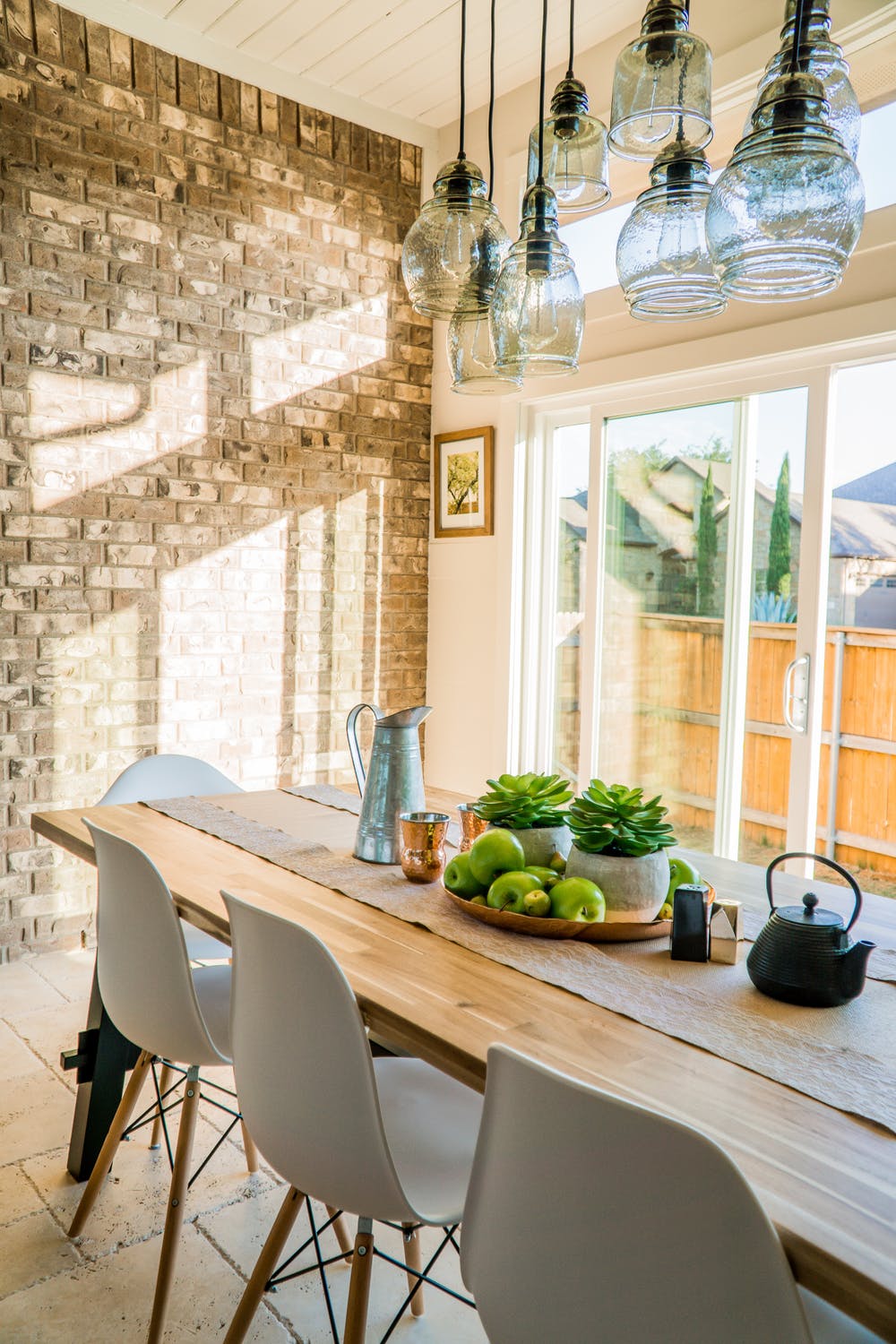
- Materials: Exposed brick, metal, and concrete are staples.
- Furniture: Pieces are often repurposed or salvaged, combining form and function.
- Decor: Minimalistic with a focus on utility, complemented by statement lighting.
Industrial bathrooms often feature concrete sinks, black metal frames, and exposed pipework, creating a chic yet utilitarian feel.
6. Bohemian: Free-Spirited and Eclectic
Bohemian design is for those who love to break the rules. It’s a blend of textures, patterns, and colours, creating a space that feels vibrant and lived-in.
Key Features of Bohemian Design:
- Colour Palette: A mix of warm, earthy tones with pops of vibrant colours.
- Furniture: Vintage or second-hand pieces, often with a story behind them.
- Decor: Layered rugs, macramé, plants, and travel-inspired artefacts.
A boho bathroom might include patterned tiles, wicker baskets, and lush greenery for an eclectic yet cohesive look.
7. Contemporary: Sleek and Ever-Evolving
Contemporary design is fluid, adapting to the trends of the moment while maintaining a focus on simplicity and sophistication. Unlike modern design, it’s not tied to a specific era, making it endlessly adaptable.
Key Features of Contemporary Design:
- Lines and Shapes: Clean lines and open spaces.
- Materials: A mix of natural and man-made materials like glass, steel, and stone.
- Colour Palette: Neutral colours dominate, with the occasional bold accent.
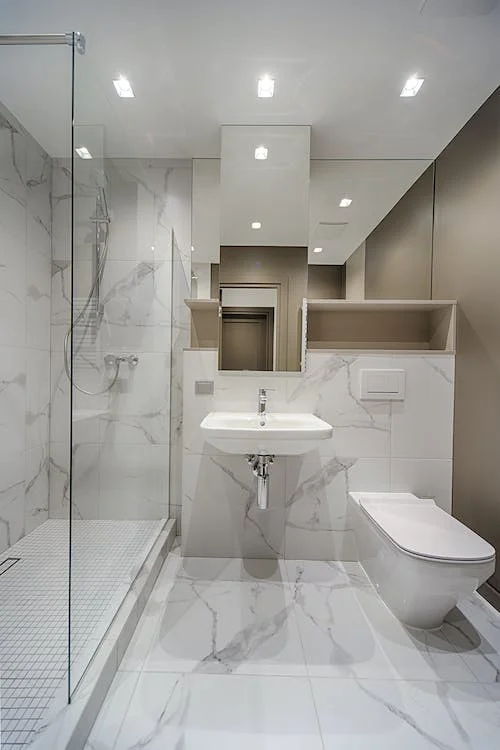
Contemporary bathrooms often feature frameless glass showers, floating vanities, and sleek lighting, offering a spa-like experience.
Why Timeless Elegance Matters
Each of these iconic styles brings something unique to the table, from Victorian grandeur to Scandinavian simplicity. By understanding their key elements, you can draw inspiration to create a space that reflects your personality and stands the test of time. Whether you’re drawn to the historical charm of a Victorian bathroom or the sleek functionality of a mid-century modern living room, timeless elegance is about finding beauty in the details and crafting spaces that feel both personal and enduring.