The Pros and Cons of Replacing Windows During Winter
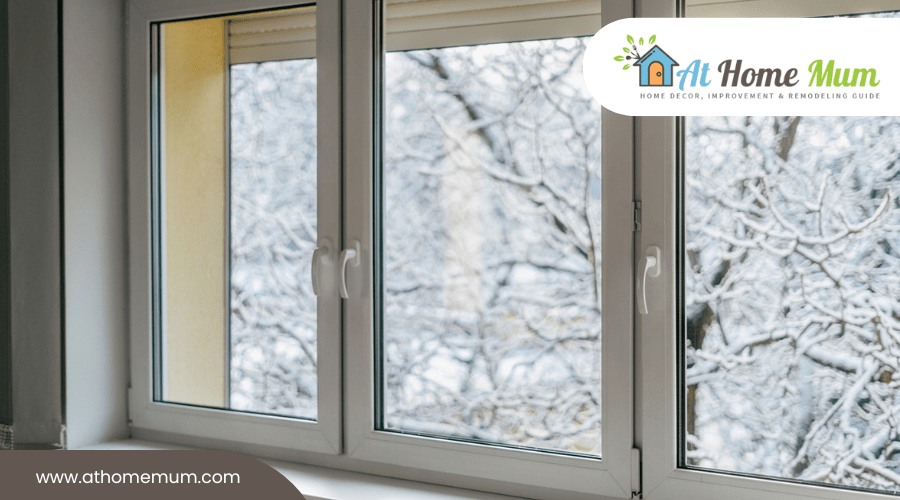
Replacing windows during winter might not seem like the most obvious choice for homeowners. The cold weather and shorter days can make outdoor projects feel challenging.
However, tackling the said task in the colder months has its advantages and drawbacks. For this article, we will be discussing the trade-offs that can help homeowners decide if this is the right season to upgrade their windows.
Winter Window Replacement Viability
Winter window replacement is often viewed as inconvenient, but it is entirely possible with proper planning. Many professional installers are equipped to handle cold-weather conditions without compromising the quality of their work. Modern materials and techniques allow for efficient installation, even when temperatures drop.
One of the main advantages of replacing windows during winter is the potential for quicker service. Demand for home improvement projects typically slows down in colder months, meaning contractors may have more availability. This could lead to shorter wait times and more flexibility in scheduling the work.
However, there are challenges to consider when replacing windows during winter. Cold air can temporarily enter the home during installation, which may cause discomfort or increase heating costs. It is important to prepare the area by closing off nearby rooms or using temporary barriers to minimize heat loss during the process.
Energy Efficiency Benefits
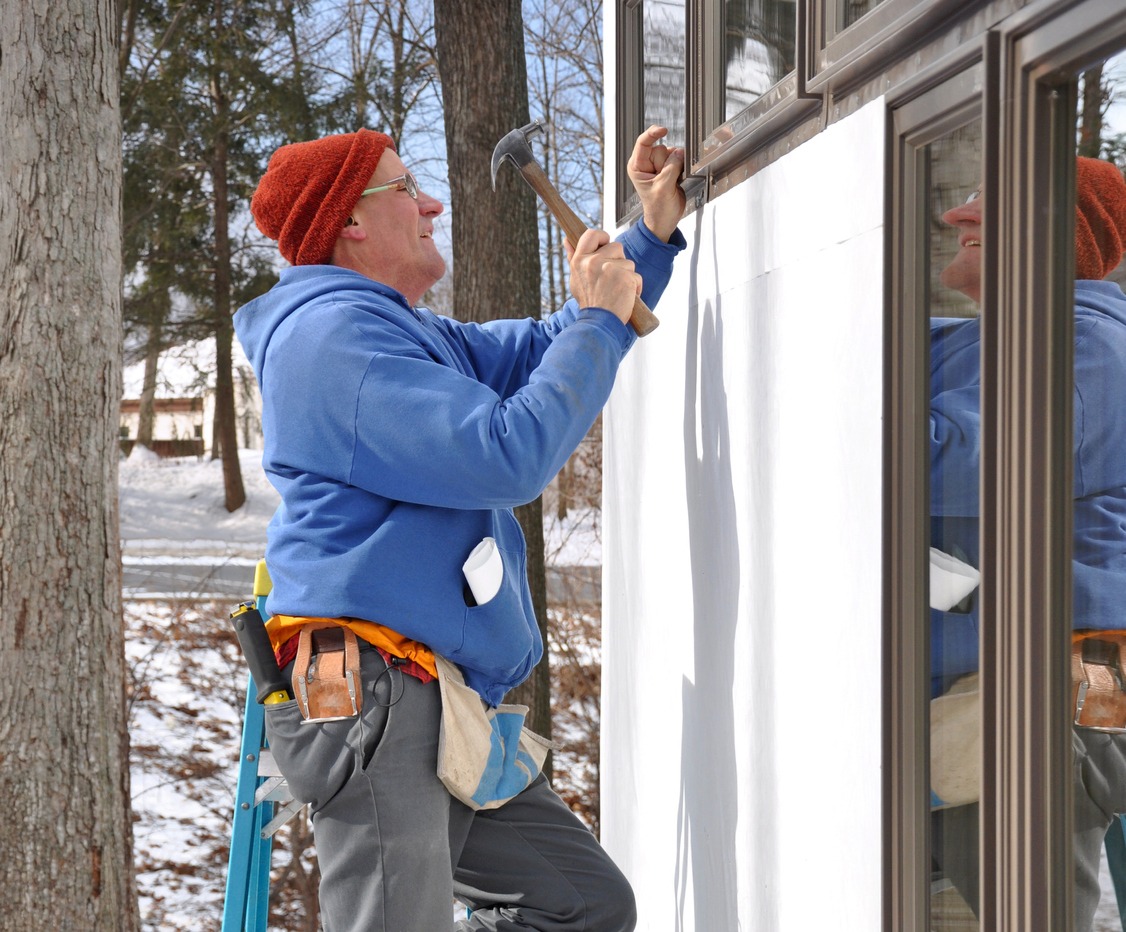
Energy-efficient windows help homeowners reduce energy costs by minimizing heat loss. Older windows with poor insulation often let warm air escape during winter and allow hot air to enter during summer. Upgrading to energy-efficient models keeps indoor temperatures stable, lowering the need for excessive heating or cooling.
These windows are designed with advanced materials that improve insulation and reduce drafts. Features like double or triple panes, low-emissivity coatings, and gas-filled layers between the glass make them highly effective. They also help block harmful UV rays, protecting furniture and flooring from fading over time.
Investing in energy-efficient windows is not just about cutting down on utility bills. It also contributes to a more comfortable living environment by reducing cold spots and outside noise. For many homeowners, the long-term savings and improved comfort outweigh the initial cost of replacement.
Cost Savings Opportunities
Replacing windows during winter often presents opportunities for cost savings. Many contractors and suppliers offer discounts during the colder months when demand for home improvement projects is lower. These seasonal promotions help reduce the upfront costs of window replacement, making it more affordable for homeowners.
Energy-efficient windows also contribute to long-term savings by lowering heating and cooling expenses. Upgraded windows prevent drafts and reduce heat loss, which helps households use less energy to maintain comfortable indoor temperatures. Over time, these reduced energy costs can offset the initial investment in replacement windows.
Government programs or utility company incentives may also be available to those upgrading to energy-efficient windows. Homeowners should research local rebates or tax credits that apply to their projects. These financial incentives provide an additional way to lower overall costs and make window replacement more budget-friendly.
Installation Process Challenges
Replacing windows during winter comes with unique challenges that homeowners should consider. Cold temperatures can make certain materials harder to work with, which might slow down the installation process. Sealants may take longer to cure, and tools may require extra care to function properly in freezing conditions.
Keeping the indoor temperature stable during installation is another concern. Removing old windows allows cold air to enter the home, which can temporarily affect comfort levels. Installers often use techniques like installing one window at a time or sealing off work areas to limit heat loss, but some discomfort may still occur.
Weather conditions like snow or ice can also impact the project timeline. Heavy snowfall or icy surfaces may make it unsafe for crews to work, leading to delays. Homeowners and contractors need to monitor the weather and stay flexible with scheduling to avoid complications during the installation process.
Home Comfort Considerations
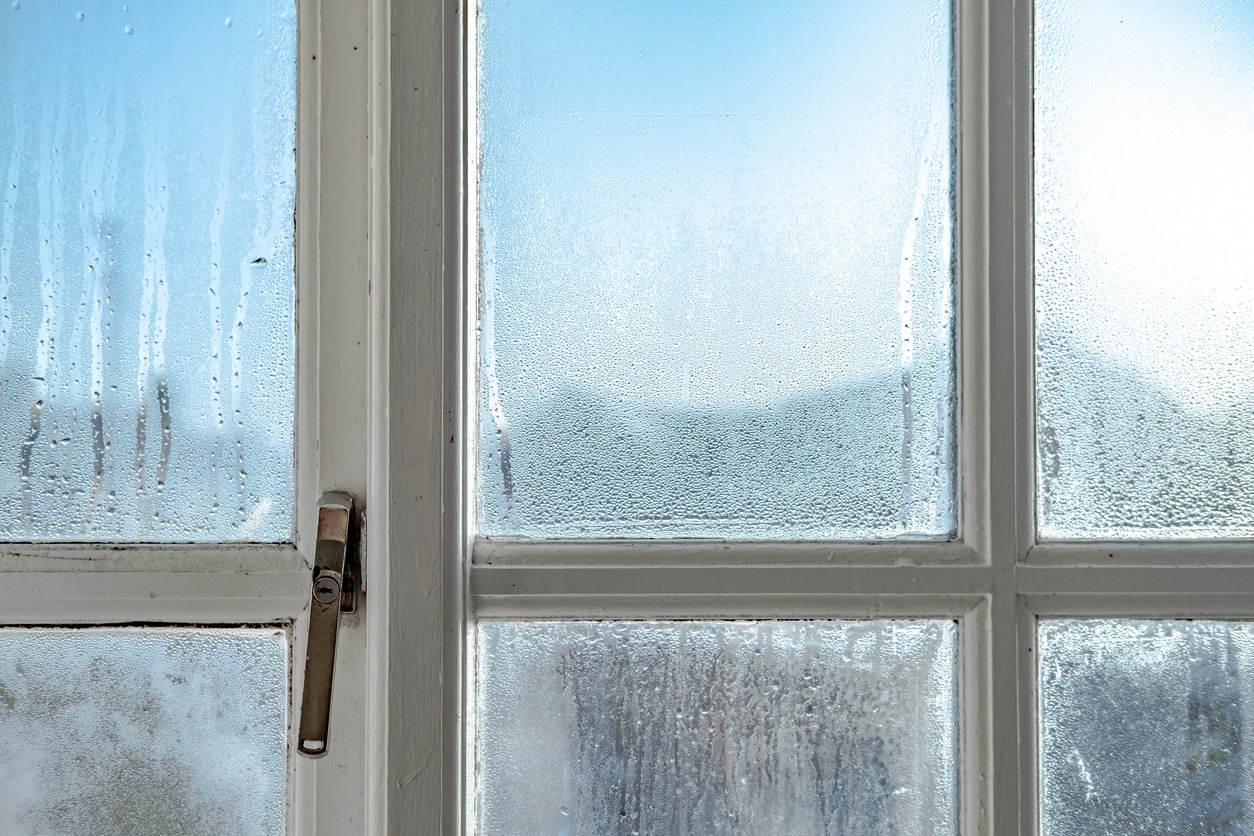
Upgrading windows plays an important part in improving home comfort. Older windows often let in drafts, which can create uneven temperatures and make certain rooms less enjoyable to spend time in. New windows with better insulation help keep the indoor environment consistent and comfortable throughout the year.
Noise reduction is another benefit that contributes to a more peaceful home. High-quality windows with multiple panes or special coatings block out a lot of outside sounds. This is especially helpful for homes in busy neighborhoods or near main roads, where noise can be a constant issue.
Natural light is also an important factor in home comfort. Modern windows are designed to let in more light without compromising energy efficiency. This allows homeowners to brighten their living spaces while maintaining indoor temperatures. A well-lit home often feels more inviting and pleasant to be in.
Long-Term Value Proposition
Investing in new windows offers long-term value by enhancing the overall quality of a home. Energy-efficient designs lower utility bills, which adds up to substantial savings over time. These windows also improve insulation, reducing wear on heating and cooling systems and extending their lifespan.
New windows increase the property’s appeal and market value. Potential buyers often look for features that lower energy costs and require less maintenance. Modern windows with durable materials and advanced technology make a home more attractive during resale.
Durability is another key factor in the value of replacement windows. High-quality materials are designed to withstand weather conditions and last for decades. This reduces the need for frequent repairs or replacements, providing peace of mind and long-term benefits for homeowners.
Conclusion
Replacing windows during winter has its advantages and challenges, and deciding on the right time depends on individual priorities. The potential for cost savings and faster scheduling may make it an appealing option for some homeowners. However, cold weather and temporary discomfort during installation are factors that need to be considered.
Ultimately, the decision to replace windows in winter should align with the homeowner's needs and circumstances. Learning about the pros and cons helps make an informed choice, ensuring the project is both practical and beneficial.