The Pros and Cons of Lighted Mirrors
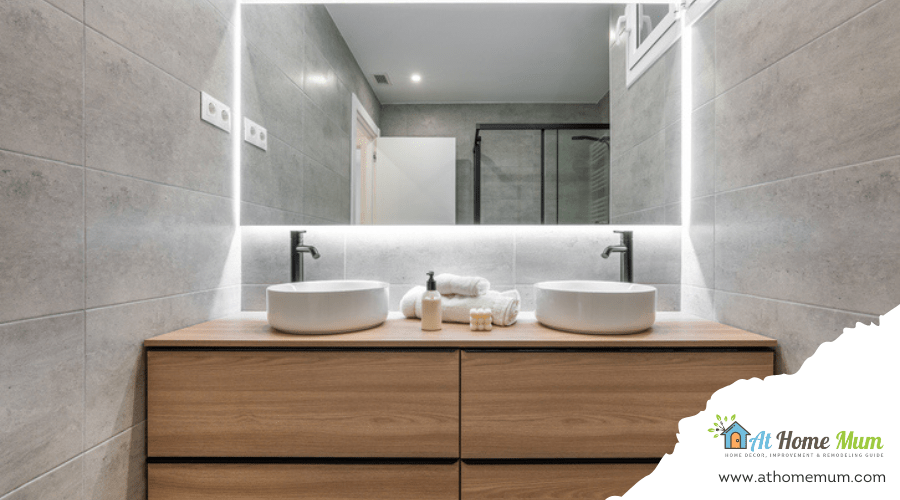
Lighted mirrors have become popular additions in homes and businesses, as they offer both practical and aesthetic benefits. With their built-in lighting, they provide a clear and well-lit reflection. So, they make everyday tasks like makeup application and grooming easier.
However, as with any modern upgrade, they come with their share of downsides. This article will look at the perks and potential drawbacks of lighted mirrors so that we can help you decide whether you need them or not.
The Pros of Lighted Mirrors
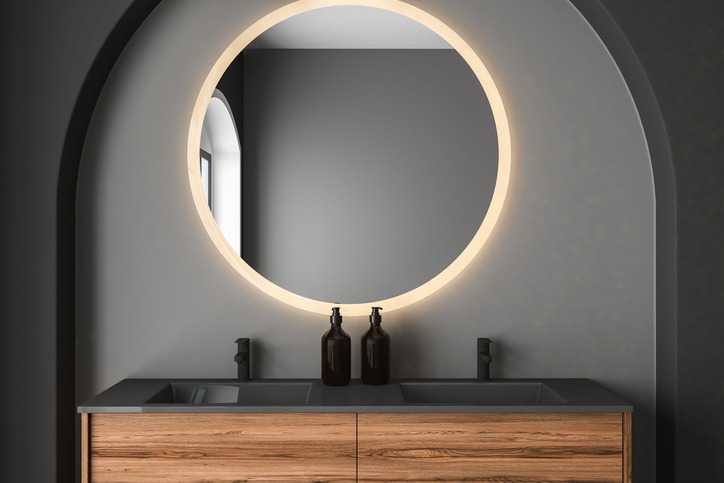
Lighted mirrors have a range of benefits that make them one of the best fixtures in modern design. Here are the main advantages of having lighted mirrors.
Enhanced Visibility for Grooming and Makeup
One of the biggest benefits of lighted mirrors is the improved visibility they offer. Standard mirrors rely on external light sources, which can create shadows or uneven lighting. This makes it harder to see fine details when shaving, applying makeup, or grooming. Lighted mirrors solve this problem with built-in LED or other light sources that provide consistent and balanced lighting.
Good lighting around the mirror makes it easier to achieve a well-groomed look. The brightness and even distribution of light help highlight details on the face, reducing the chances of uneven makeup or missed spots when shaving.
Modern Aesthetic Appeal
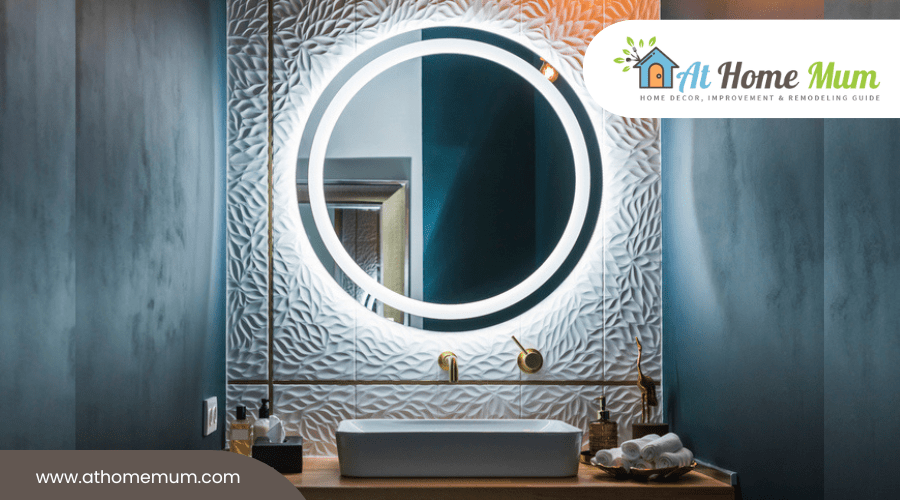
Lighted mirrors bring a sleek, modern look to any space. Their design often incorporates minimalistic and clean lines, which can elevate the appearance of a bathroom or dressing room. The built-in lights give off a subtle glow and create a sophisticated atmosphere that is both functional and visually appealing.
This type of mirror can be a statement piece in the room since it can catch attention without overwhelming the space. With various styles available, there is always an option that suits different types of décor, and these make them versatile in both classic and contemporary settings.
Energy Efficiency
Lighted mirrors often use LED lighting, which is more energy-efficient than traditional light bulbs. LEDs consume less power, last longer, and produce less heat. This is beneficial for those looking to reduce electricity use without sacrificing quality lighting.
Over time, energy-efficient lighting can contribute to lower utility bills. The longevity of LED lights also means fewer replacements, saving money and reducing waste. This makes lighted mirrors an environmentally friendly option for those conscious of sustainability.
Anti-Fog Features
Many lighted mirrors come with built-in anti-fog technology, which is especially useful in bathrooms. After a hot shower, mirrors tend to fog up, delaying morning routines. Lighted mirrors with anti-fog systems keep the surface clear even in a steamy environment, and these systems also allow you to get on with your day without waiting for the mirror to clear up.
This feature adds convenience, as it removes the need to wipe the mirror, which can leave streaks or smudges. An anti-fog mirror ensures that the reflection remains clear and uninterrupted.
The Cons of Lighted Mirrors

While lighted mirrors have many benefits, they are not perfect. There are a few potential downsides that buyers should consider before making a decision. Here are the common cons of using lighted mirrors.
Higher Initial Cost
Lighted mirrors usually come at a higher price than traditional mirrors. The built-in lighting and additional features contribute to this increased cost. For those on a tight budget, the initial expense might be a barrier. This may mean stretching finances or choosing a lower-end option that might not offer the same quality.
The higher price can sometimes be justified by the modern look and features they offer, but for some, it may not be worth the extra cost. Budget-conscious homeowners or renters might find it difficult to invest in a lighted mirror when standard mirrors are more affordable.
Electrical Installation Requirements
Unlike regular mirrors, lighted ones need a power source. This means installing them may require the help of an electrician, especially if hardwiring is needed. This adds to the cost and effort of setting them up. Even those with plug-in models might need an outlet in a convenient location, which isn’t always available.
The need for electrical work can also complicate the process of moving or replacing the mirror. If you decide to switch it out or relocate it, you may need to hire professionals again to disconnect or rewire it. This is something to consider for those who move often or like to change their home setup frequently.
Potential Maintenance and Repairs
Lighted mirrors come with electrical components that can require maintenance or repairs over time. While LED lights are long-lasting, they are not immune to issues. Replacing built-in lights or fixing electrical parts can be more complicated than dealing with a standard light bulb or fixture.
Repairs might also need the help of a professional, which can add to costs and inconvenience. In contrast, a traditional mirror rarely requires maintenance beyond cleaning. Those who prefer low-maintenance home accessories might find this aspect of lighted mirrors less appealing.
Limited Customization in Lighting
The built-in lights in most lighted mirrors may not suit everyone’s preference. Some models offer adjustable brightness, but not all have customizable light color or intensity. This can be limiting for those who need specific lighting conditions for makeup or tasks that need precise color accuracy.
This lack of customization could lead to dissatisfaction, as users might find the default lighting too bright, too dim, or the wrong color tone for their needs. Investing in additional light sources to supplement the mirror could become necessary, which reduces the convenience and adds to overall costs.
Installing Lighted Mirrors
If you have finally decided on getting a lighted mirror, then you may need to know how to install it on your own. Proper installation is essential to make sure it works safely and efficiently. Here are the basic steps to install a lighted mirror:
- Plan the Location: Choose the spot where the mirror will be installed. Make sure it is near an electrical outlet if the mirror has a plug or check if wiring is needed for a hardwired model. Measure the space to confirm that the mirror will fit comfortably on the wall without crowding other fixtures.
- Turn Off the Power: Safety is important when working with electrical components. Turn off the power to the area where you will be working. Use a voltage tester to double-check that no electricity is running through the wires.
- Prepare the Wall: Mark the placement of the mirror on the wall. Install any mounting hardware that comes with the mirror, such as brackets or screws. Use a level to make sure everything is aligned straight to avoid uneven placement.
- Connect the Electrical Components: If the mirror needs to be hardwired, connect the mirror’s wires to the existing electrical wiring. Match the corresponding wires (typically black to black, white to white, and green or bare for grounding). Secure the connections with wire nuts and wrap them in electrical tape.
- Mount the Mirror: Carefully lift the mirror and place it on the mounting brackets or screws. Double-check that it is securely attached to prevent it from falling or shifting over time. If the mirror plugs into an outlet, connect it and make sure the cord is safely tucked away.
- Test the Mirror: Once everything is in place, turn the power back on. Test the mirror’s lights and any additional features like anti-fog or brightness adjustments. Make sure everything works as expected before moving on to any final adjustments.
Conclusion
Lighted mirrors bring both style and functionality to a space while offering benefits like better visibility, modern aesthetics, and energy efficiency. However, they also come with higher costs, electrical installation needs, and potential maintenance. Weighing the pros and cons is important when deciding if a lighted mirror is the right fit for your home.