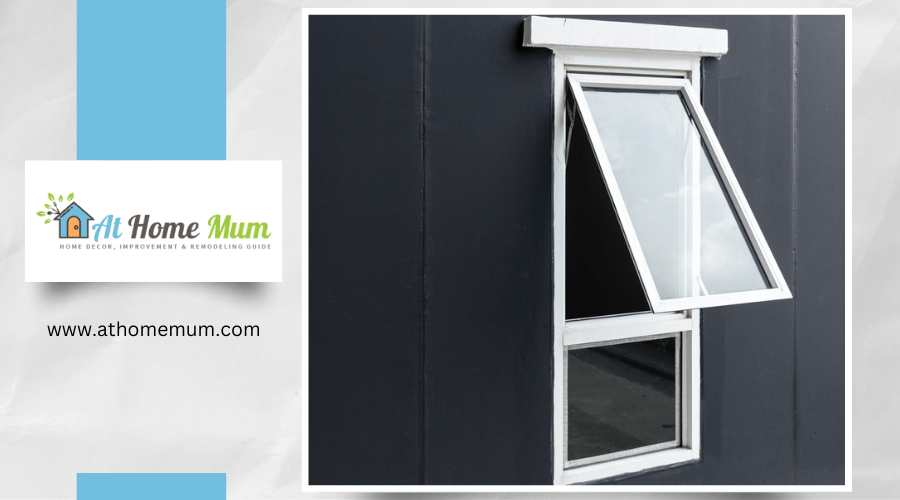
The Best Tips for a Successful Window Replacement
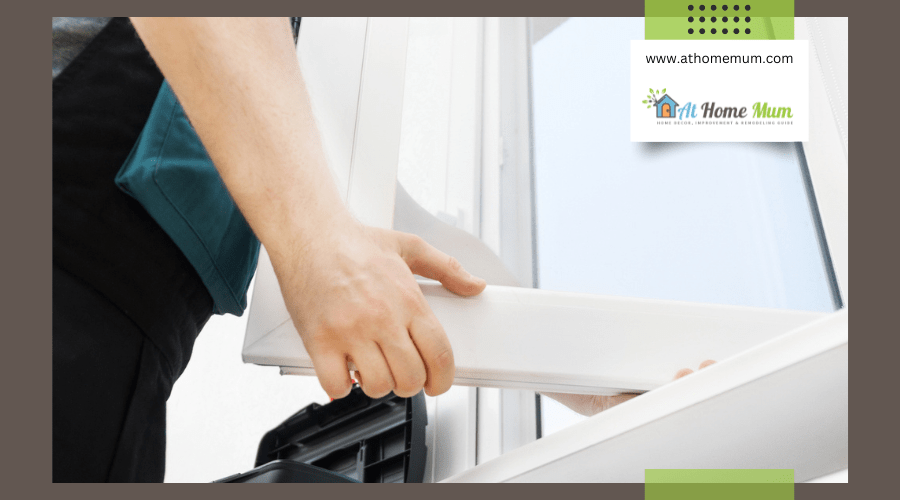
Replacing your windows is an important step in improving your home’s comfort and energy efficiency. It is a process that requires thoughtful planning and attention to detail.
Choosing the right materials and understanding the installation process can save you time and money. This guide provides practical advice to help you navigate the process with confidence and achieve the best results for your home.
The Reason to Replace Your Home’s Windows
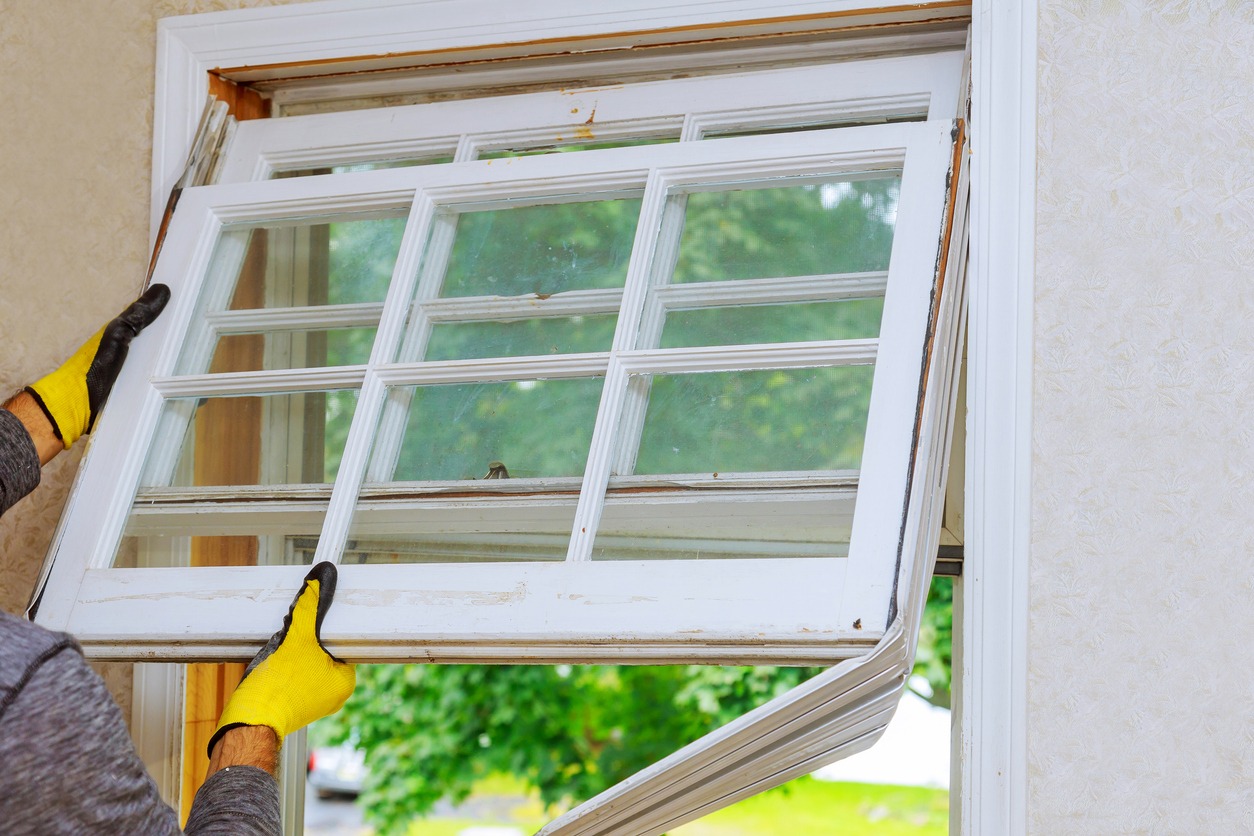
Replacing your windows is not just an upgrade to your home’s appearance, as it can also be an investment in comfort, energy efficiency, and functionality. Here are the reasons why it might be time to consider new windows:
- Energy Efficiency: Old windows often let drafts in and heat out, leading to higher energy bills. Modern windows are designed to provide better insulation and reduce energy loss.
- Improved Comfort: New windows help maintain consistent indoor temperatures by keeping out extreme weather conditions.
- Enhanced Curb Appeal: Updated windows add a fresh and modern look to your home, increasing its aesthetic value.
- Noise Reduction: High-quality windows minimize outside noise, creating a quieter indoor environment.
- Increased Security: Modern designs include stronger locks and glass options that are harder to break.
- Reduced Maintenance: Newer windows require less upkeep because of advanced materials that resist wear and tear.
- Higher Property Value: Installing new windows can boost your home’s resale value, making it more attractive to potential buyers.
Signs that Your Windows Need to Be Replaced
Knowing when to replace your windows is important to keeping your home in good condition. Here are some signs that it might be time for an upgrade:
- Drafts Around the Frames: If you feel air coming in even when your windows are closed, it indicates poor sealing or aging materials.
- Difficulty Opening or Closing: Sticking or jamming windows often means the frames are warped or the mechanisms are failing.
- Visible Damage or Decay: Cracks, chips, or rotting wood are clear signs that your windows are past their prime.
- Condensation Between Panes: Fogging or moisture trapped inside double or triple-pane windows signals broken seals.
- High Energy Bills: A sudden increase in heating or cooling costs might mean your windows are not insulating effectively.
- Outside Noise Coming In: If you hear more street noise than usual, your windows may no longer provide adequate soundproofing.
- Faded Furniture or Carpets: UV rays passing through old glass can cause discoloration, which indicates that your windows lack proper UV protection.
Tips for a Successful Window Replacement
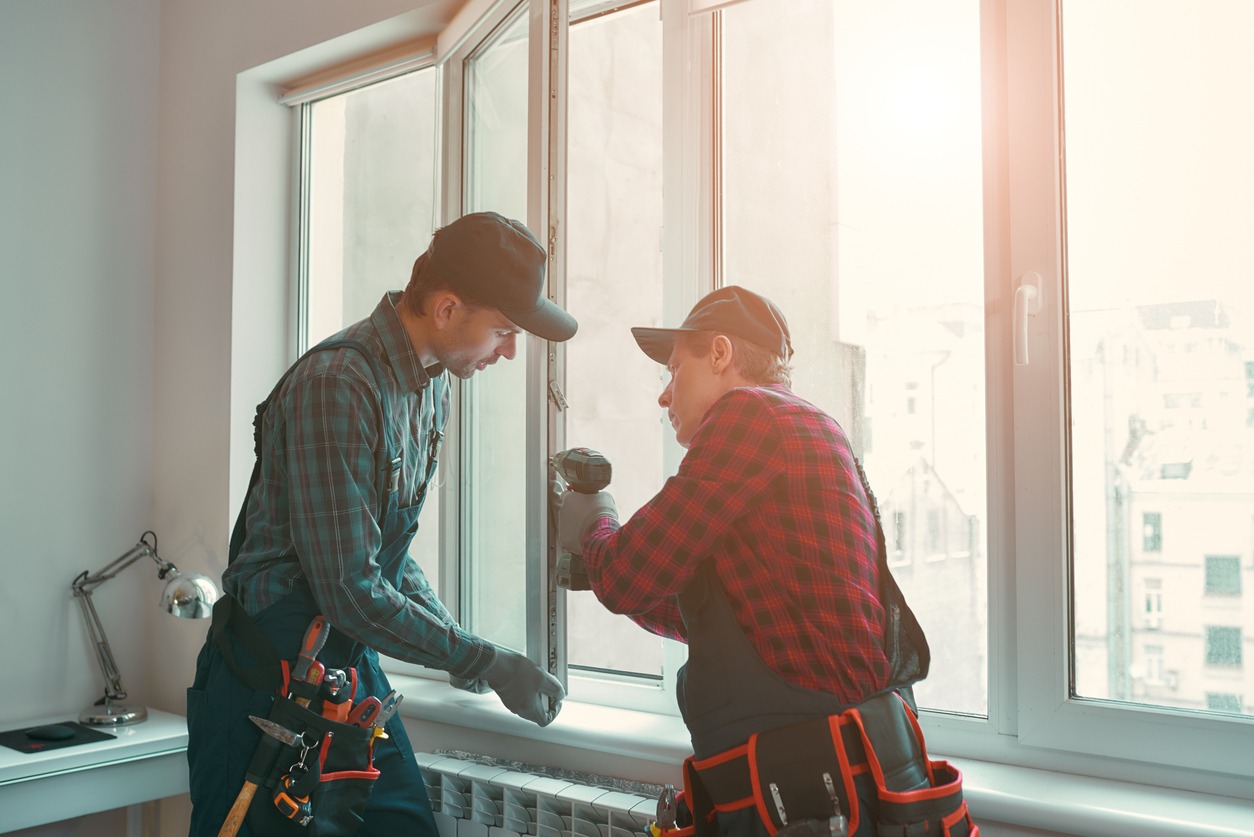
Replacing your windows requires planning and careful consideration. Following the right steps helps you achieve the best results. Here are useful tips to guide you through the process of replacing windows.
Choose the Right Type of Windows
Selecting windows that suit your home’s style and climate is an important decision. Consider materials like vinyl, wood, or aluminum, each offering unique benefits. Energy-efficient options with double or triple glazing can reduce energy bills and improve indoor comfort. Research different styles, such as casement or double-hung, to find the best match for your needs.
Consulting a professional or your contractor can also help narrow down choices. They can provide insights into what works best for your home and explain factors like insulation and durability.
Measure Accurately Before Ordering
Proper measurements are essential for a successful installation. Even small errors in sizing can lead to complications during the process. Measure the height, width, and depth of the window frame to ensure the replacements fit perfectly. Using a tape measure designed for precision is recommended.
If you are unsure about measuring, consider hiring a professional to handle it. Experts have the tools and knowledge to provide accurate dimensions. Correct sizing prevents delays and additional costs while ensuring the new windows fit securely.
Hire a Qualified Installer
Installing windows requires skill and experience. Hiring a professional ensures the job is done correctly and prevents issues like leaks or poor insulation. Look for contractors with strong reviews and ask for references to verify their work. A certified installer understands building codes and best practices.
Avoid cutting corners by trying to do it yourself if you lack experience. Professional installation not only saves time but also protects your investment. Discuss your expectations with the installer before work begins to avoid misunderstandings.
Prepare Your Home for Installation
Getting your home ready for the installation process helps things go smoothly. Clear the area around the windows by moving furniture and removing curtains or blinds. This gives the installers enough space to work safely and efficiently.
You should also notify your household members about the project timeline. Consider covering nearby items with protective sheets to keep them clean. Taking these steps minimizes disruptions and keeps the project on track.
What to Avoid When Replacing Windows
Replacing windows involves important decisions, and avoiding common mistakes can save you time and money. Below are some things to avoid during the process:
- Choosing the Cheapest Option: Low-cost windows might save money upfront but often lead to higher energy bills and frequent repairs. Invest in quality materials that last longer and perform better.
- Skipping Professional Installation: DIY installation can lead to poor sealing and energy loss. A professional installer ensures the windows are properly fitted and meet building standards.
- Ignoring Energy Efficiency Ratings: Not checking energy efficiency labels could mean missing out on savings. Look for windows with high ratings to reduce energy use and keep your home comfortable.
- Overlooking Your Home’s Style: Installing mismatched windows can hurt your home’s appearance. Select designs that complement the architectural look of your house for better curb appeal.
- Failing to Budget for Extras: Unexpected costs like trim replacement or structural repairs can arise. Plan for these expenses to avoid delays or incomplete work.
- Delaying Maintenance After Installation: Neglecting to clean or inspect new windows can reduce their lifespan. Follow care instructions to keep them in good condition for years.
Conclusion
Replacing your windows is a valuable investment that improves your home’s comfort, efficiency, and appearance. Taking the time to plan carefully, choose the right materials, and work with professionals makes the process more effective. By following practical tips and avoiding common mistakes, you set the foundation for long-lasting and reliable results.