The Best Spots to Use Decorative Glass in Your Home
Decorative glass is a stylish way to enhance your living space. It combines beauty with functionality, and this combination makes it a popular choice for many homeowners. Knowing where to use it effectively helps create a more inviting and visually appealing environment. For this article, we will highlight the top areas in your home where decorative glass truly shines.
What is Decorative Glass?
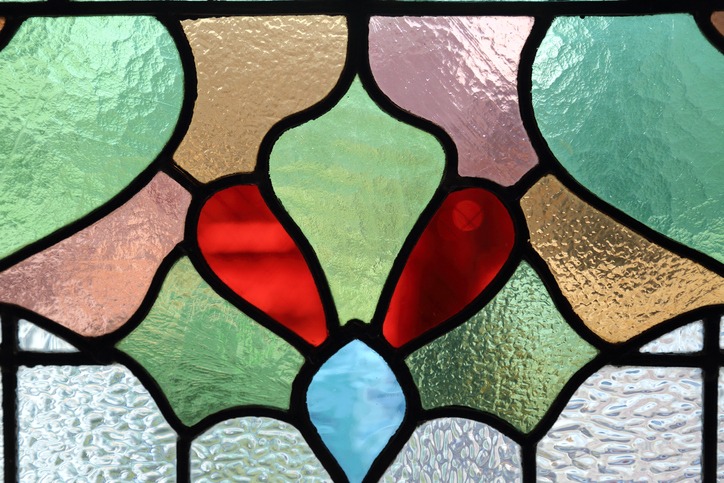
Decorative glass refers to glass that is designed to enhance the appearance of a space while still serving practical purposes. It often features patterns, textures, colors, or etched designs that add character and style.
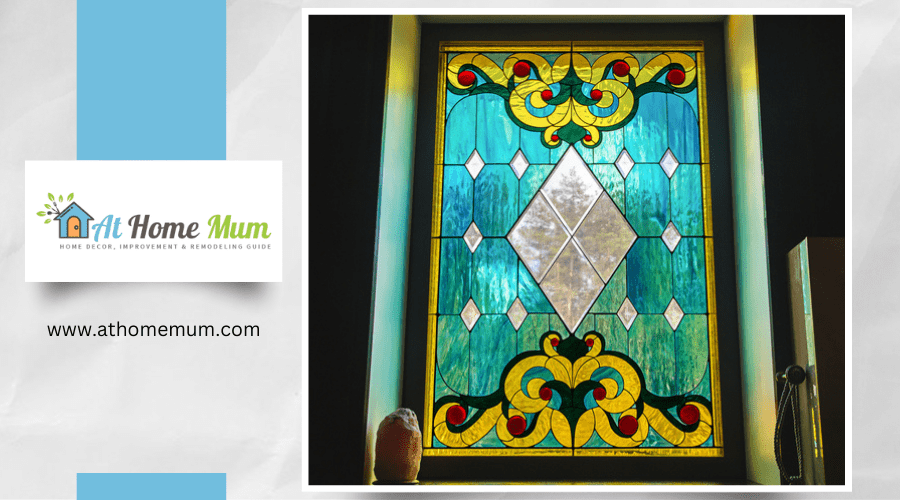
Common types of decorative glass include stained glass, frosted glass, textured glass, and beveled glass. These variations allow for creative applications in windows, doors, partitions, and furniture. Decorative glass is valued for its ability to provide privacy, diffuse light, and contribute to the aesthetic appeal of both modern and traditional interiors.
The Best Spots for Decorative Glass
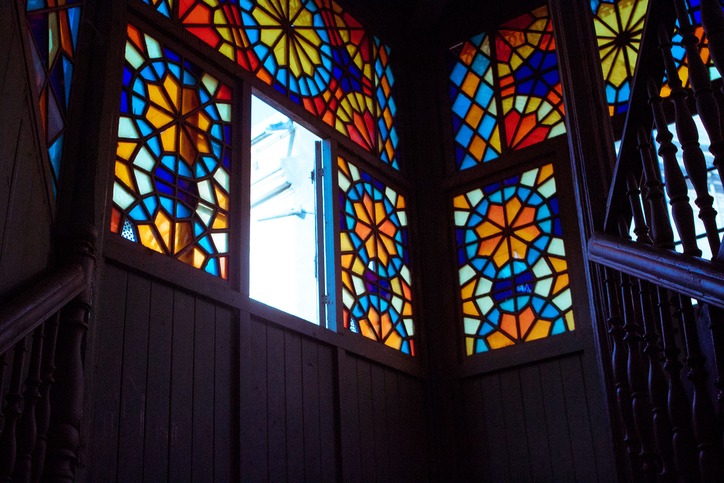
While decorative glass is great to place in any area of the home, there are specific places where it can shine more. Below are some of the best spots to feature decorative glass and make it a part of your home’s aesthetic.
Entryways and Front Doors
The entryway is one of the first areas guests notice, and decorative glass in front doors or sidelights creates a welcoming impression. Frosted or textured glass provides privacy while still allowing light to pass through. Stained glass inserts add a touch of color and charm that complements the overall exterior design.
Using decorative glass in transom windows above the door elevates the look of the entryway. These small panels bring in additional light without compromising privacy. They are available in various styles, from classic etched patterns to modern geometric designs, to give homeowners plenty of options to match their home’s theme.
Incorporating decorative glass into the entryway helps tie together function and style. It offers an easy way to make the entrance more visually appealing while contributing to the practicality of the space.
Stairways and Staircases
Stairways are often overlooked when it comes to design, but decorative glass can elevate their appearance. Glass panels for stair railings provide a modern and open look and allow light to flow freely through the space. Frosted or textured glass adds a level of privacy without sacrificing style, making it perfect for homes with multi-level views.
Using decorative glass as a feature wall near a staircase can also create a stunning visual element. A large, etched or stained glass panel positioned beside or behind the stairs adds artistry and personality to the space. This works especially well in homes with wide staircases or open layouts.
Bathroom Windows and Shower Doors
Bathrooms are an ideal space for decorative glass, as it balances the need for privacy with a desire for light. Frosted or textured glass windows provide a soft glow that brightens the room while keeping views obscured. This allows homeowners to maintain privacy without heavy curtains or blinds.
Shower doors made of decorative glass can turn a functional feature into a design highlight. Options like etched glass or glass with artistic patterns give a modern and luxurious feel to the bathroom. These designs also help reduce water spots and smudges, so they are easier to maintain.
Adding decorative glass in bathrooms creates a relaxing and visually pleasing environment. It offers a sophisticated touch without sacrificing comfort or usability.
Kitchen Cabinet Doors
Decorative glass is a popular choice for kitchen cabinet doors, adding interest to the space while showcasing dishes or decor. Clear glass with subtle etching or frosted panels lets homeowners display their favorite items without exposing the full contents of the cabinets.
Colored or stained glass inserts provide an artistic element, especially in kitchens with classic or rustic styles. These designs can complement backsplash tiles, countertops, or other decor and create a cohesive and charming kitchen atmosphere.
Glass cabinet doors also reflect light, helping the kitchen feel more open and spacious. They are a functional and attractive way to elevate the overall design of one of the home’s most used spaces.
Interior Partitions
Decorative glass works well for dividing spaces without making them feel closed off. Using glass partitions in open floor plans allows for separation between areas like the living room and dining room while keeping the flow of light. Frosted or textured glass adds privacy to specific areas while maintaining a sense of connection.
Glass partitions with geometric patterns or etched designs act as a statement piece in the home. They draw attention and add a touch of modern elegance to any room. This is particularly effective in smaller homes or apartments, where maintaining an open and airy feel is essential.
Tips for Applying Decorative Glass in Specific Areas
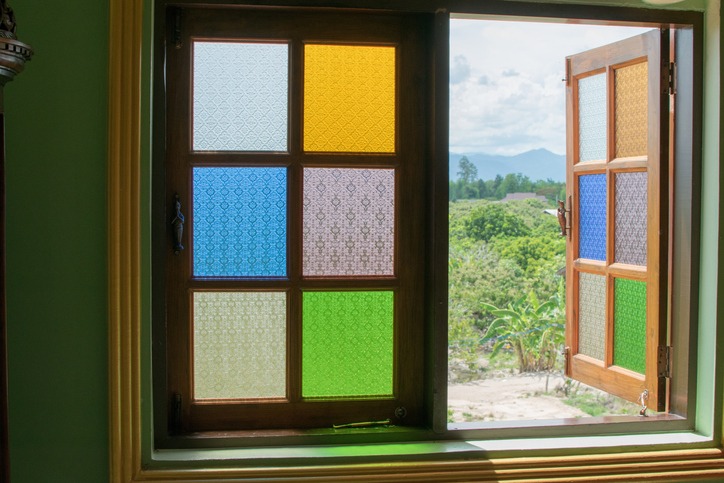
Decorative glass is a versatile design element, but its effectiveness depends on how and where it’s used. Thoughtful application can enhance both the function and style of a space. Here are several practical tips to make the most of decorative glass in different areas of your home.
- Match the Style to the Room’s Theme: Choose a decorative glass that complements the overall style of the space. For a modern home, go for sleek, etched, or frosted glass with clean lines. In more traditional interiors, stained or textured glass with intricate designs may be a better fit. Matching the glass design to the room’s theme helps create a cohesive look.
- Prioritize Privacy in Certain Areas: In spaces like bathrooms and bedrooms, consider frosted or textured glass to maintain privacy. These options allow light to pass through while keeping the space secure from outside views. For windows or partitions in shared areas, tinted or semi-opaque glass is another good choice.
- Use Lighting to Highlight the Glass: Proper lighting enhances the beauty of decorative glass. Position it where natural light can highlight its colors, textures, or patterns. For areas without much sunlight, use strategically placed artificial lighting, such as recessed lights or backlighting, to make the glass stand out.
- Choose Durable Materials for High-Traffic Areas: In areas like kitchens, entryways, or shower doors, durability is essential. Opt for tempered glass, which is stronger and safer than regular glass. This ensures the glass will withstand daily use without compromising its appearance or functionality.
- Combine Decorative Glass with Other Materials: Mixing glass with materials like wood or metal adds depth to the design. For instance, glass cabinet doors framed in wood provide a warm, balanced look. Metal accents can create a modern industrial vibe, especially in partitions or windows.
Conclusion
Decorative glass offers a creative way to enhance the style and functionality of your home. By choosing the right type of glass and placing it thoughtfully, you can create a space that feels both inviting and unique. Incorporating decorative glass into your design is a simple yet effective way to elevate your home’s overall aesthetic.