The Advantages of Energy-Efficient Windows

Energy-efficient windows are a practical solution to rising energy costs and environmental concerns. These windows offer benefits that help homeowners save money while creating a more comfortable indoor environment.
As more people seek ways to reduce energy consumption, energy-efficient windows are becoming more popular because they are a simple yet effective upgrade for any home. Here are the advantages of energy-efficient windows.
What are Energy-Efficient Windows?
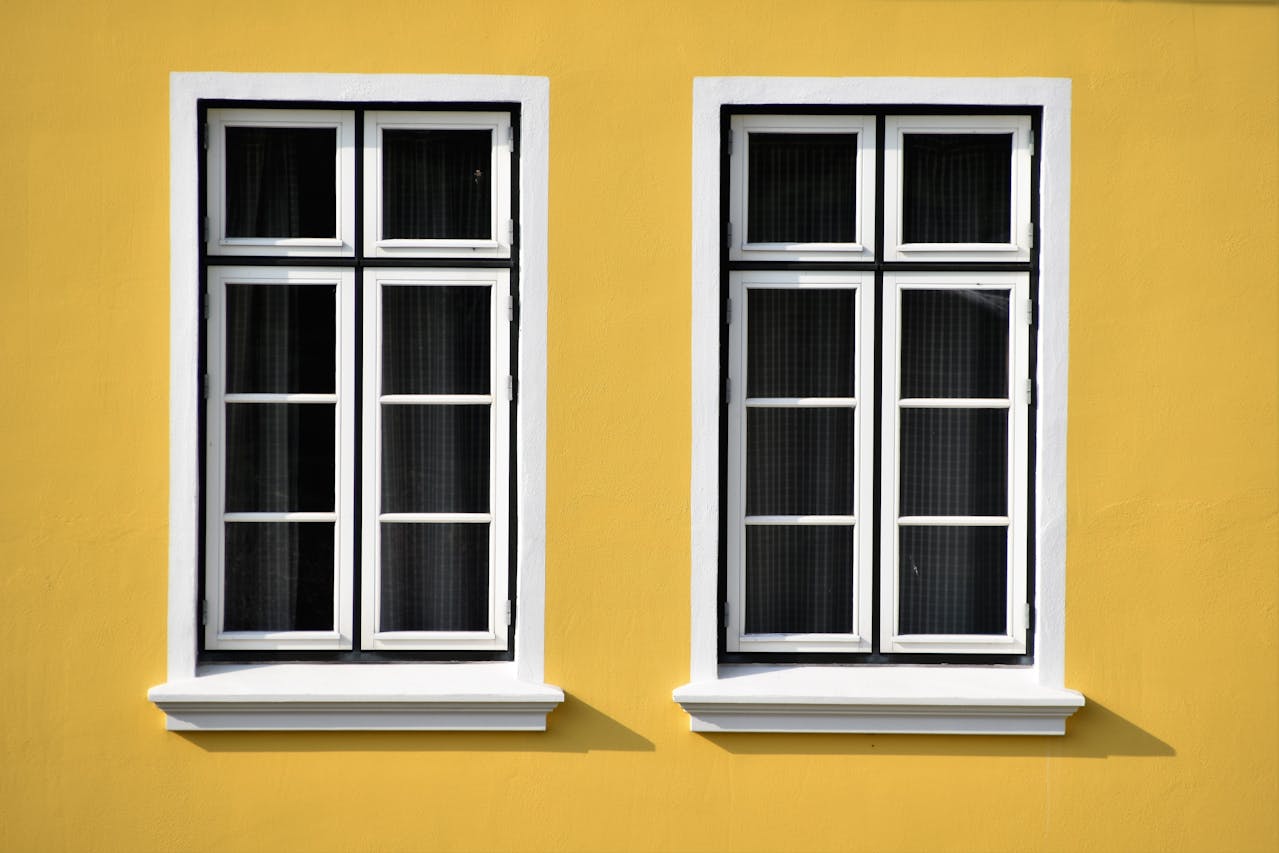
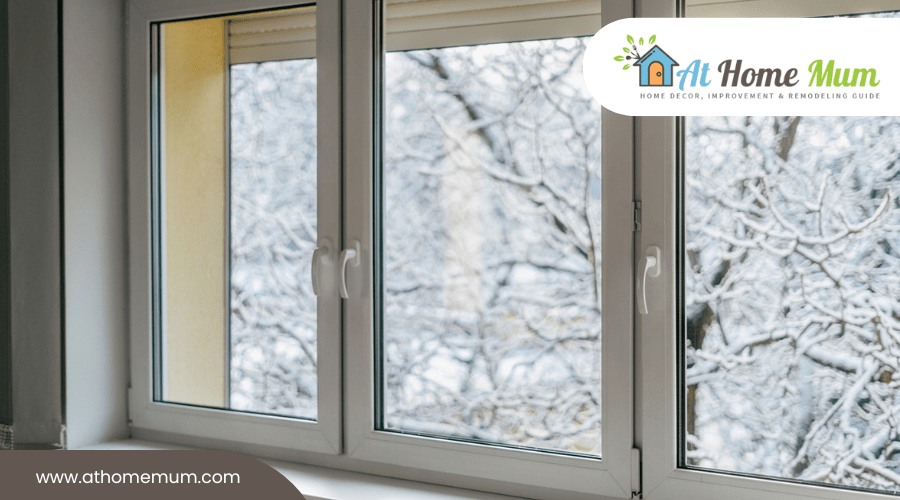
Energy-efficient windows are designed to help reduce energy use in homes and buildings. They use advanced technology to limit heat loss in the winter and keep cool air inside during the summer. Features like double or triple-glazing and gas-filled panes provide better insulation compared to standard windows.
Many energy-efficient windows also have special coatings that reflect heat and block harmful UV rays. These materials work together to create a barrier that improves comfort and reduces energy costs. Homeowners often look for certifications like Energy Star to identify windows that meet high energy-saving standards.
How to Identify Energy-Efficient Windows
Identifying energy-efficient windows is easier when you know what to look for. These features and certifications help ensure the windows are designed to save energy and improve comfort. Here are some tips to help you find out which windows are energy-efficient:
- Look for the Energy Star Label: This certification indicates the window meets energy efficiency standards set by the government.
- Check the U-Factor: A lower U-Factor means the window provides better insulation and reduces heat loss.
- Examine the Solar Heat Gain Coefficient (SHGC): This rating shows how well the window blocks heat from sunlight. Lower numbers are better for warmer climates.
- Inspect for Low-E Coatings: These coatings help reflect heat while letting natural light through.
- Consider Multiple Panes and Gas Fills: Double or triple glazing with gases like argon or krypton improves insulation.
- Look for Insulated Frames: Window frames with added insulation reduce energy loss and drafts.
The Benefits of Energy-Efficient Windows
Energy-efficient windows are a valuable upgrade for homeowners seeking to reduce energy costs and improve comfort. These windows provide multiple benefits that enhance daily life while contributing to environmental goals.
Lower Energy Bills
Energy-efficient windows help reduce the amount of heat that escapes your home in winter and limit heat entering in summer. This means your heating and cooling systems don’t have to work as hard to maintain a comfortable temperature. Over time, this translates into noticeable savings on energy bills for homeowners.
Additionally, the advanced materials used in these windows, such as low-emissivity glass and insulated frames, improve overall thermal performance. This improvement keeps your home consistently comfortable while reducing reliance on energy-consuming appliances.
Improved Indoor Comfort
Traditional windows often let drafts in during cold months and allow hot air to seep through in the summer. Energy-efficient windows are designed to create a better barrier against outdoor elements. They regulate indoor temperatures, making your home more enjoyable year-round.
Better temperature control also means fewer cold spots near windows in the winter or overheated areas in the summer. This improvement leads to a more even distribution of warmth or coolness in your living spaces.
Enhanced Noise Reduction
Living near busy streets or noisy neighbors can be frustrating, but energy-efficient windows can help. These windows often have multiple panes and insulating materials that dampen sound from outside. As a result, your home becomes quieter and more peaceful.
Soundproofing benefits are especially valuable in urban or high-traffic areas. By blocking out much of the external noise, these windows create a better environment for relaxation, work, or sleep.
Increased Home Value
Upgrading to energy-efficient windows is an investment that can raise your property’s value. Potential buyers often view these windows as a desirable feature, knowing they will save money on utilities in the long run.
In addition to energy savings, these windows often enhance the overall look of a home. They come in a variety of designs and finishes that complement modern and traditional aesthetics alike, appealing to a wider range of buyers.
Better Environmental Sustainability
Switching to energy-efficient windows helps reduce your carbon footprint by lowering the energy demand for heating and cooling. This reduction supports broader efforts to conserve resources and protect the environment.
By using less energy, these windows contribute to fewer greenhouse gas emissions. Choosing them means taking a step toward more eco-friendly living without sacrificing comfort or convenience.
Finding the Best Energy-Efficient Windows
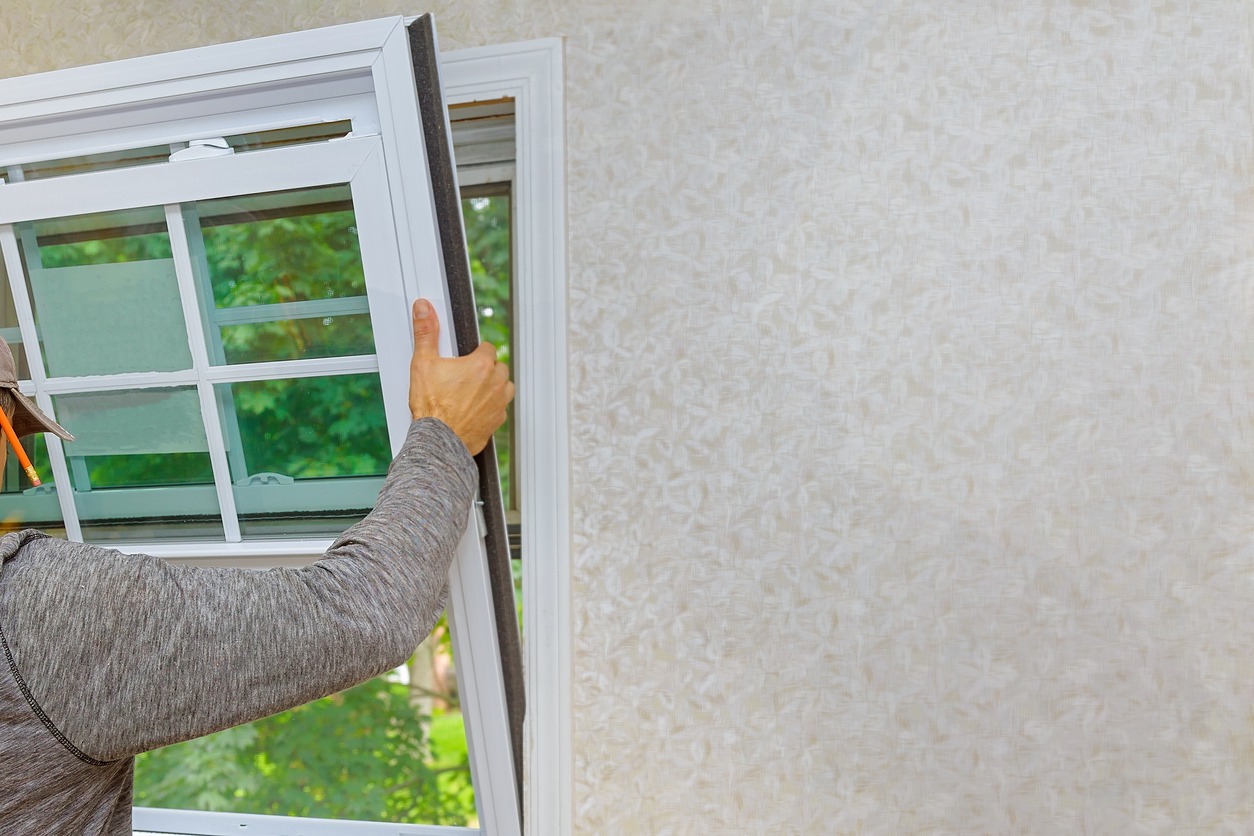
With various options available, it is important to find the right windows with features that suit your home and climate. Here are the tips to help you select the best energy-efficient windows for your needs.
Check the U-Factor and Solar Heat Gain Coefficient (SHGC)
The U-Factor measures how well a window prevents heat from escaping, while the SHGC indicates how much solar radiation it allows to pass through. Lower U-Factor values mean better insulation and lower SHGC values reduce heat gain from sunlight.
Selecting the right combination of U-Factor and SHGC depends on your local climate. Colder areas benefit from low U-Factor windows, while warmer regions should prioritize windows with a low SHGC.
Consider Multiple Panes and Gas Fills
Double or triple-pane windows provide better insulation compared to single-pane options. The space between the panes is often filled with argon or krypton gas, which enhances thermal performance.
These features not only improve energy efficiency but also reduce noise from outside. If you live in a busy area, multi-pane windows with gas fills are a practical choice.
Choose Low-Emissivity (Low-E) Glass
Low-E glass has a special coating that reflects heat while allowing natural light to pass through. This helps keep your home warm in winter and cool in summer.
The type of Low-E coating varies based on your needs. Some coatings are optimized for colder climates, while others work better in hot regions. Ask your window provider for options tailored to your location.
Factor in Frame Material
The frame material affects the window's energy efficiency and durability. Vinyl, wood, and fiberglass are popular choices, each with its own advantages. Vinyl frames are affordable and low-maintenance, while wood frames offer natural insulation. Fiberglass frames are strong and highly efficient.
Select a frame material that complements your home's style and climate while staying within your budget. Quality framing improves overall window performance and longevity.
Conclusion
Choosing energy-efficient windows is an investment in both your home and the environment. With their combination of performance, durability, and aesthetic appeal, they are a smart choice for those looking to upgrade their living spaces.