Simple Tips for Keeping Windows Safe and Warm During Cold Months

Winter brings chilly temperatures and frosty winds that can seep into homes through poorly maintained windows. Keeping windows warm and secure is essential for comfort during the cold months.
Simple steps like sealing gaps, adding insulation, and maintaining window frames help keep the cold out while lowering energy bills. To know more about these steps, here is a list of tips for keeping windows safe and warm during cold months.
Inspect and Maintain Your Windows
Inspecting and maintaining your windows is one of the most effective ways to keep your home warm during winter. Start by checking the window frames and glass for cracks or gaps that could let in cold air.
Look for signs of wear, such as peeling paint or warping, which could weaken the window’s ability to keep out the cold. Fixing small issues early prevents bigger problems later.
Cleaning your windows regularly also helps maintain their efficiency. Dirt and debris can collect in window tracks, causing them to close improperly. Use a mild cleaner to wipe the glass and remove buildup. Clean windows let in natural light and help to warm your home on sunny winter days while keeping the interior brighter and more inviting.
Improve Window Insulation
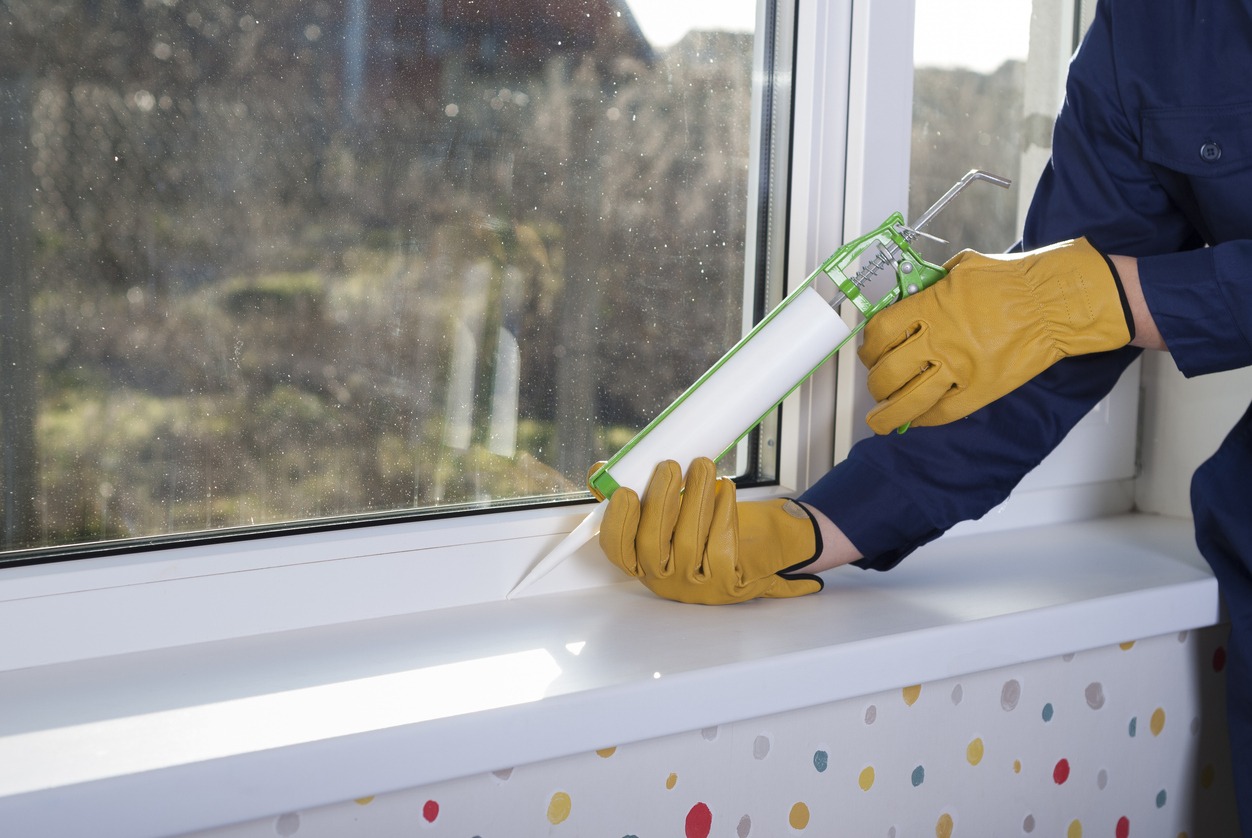
Improving window insulation keeps cold air out and warmth inside your home during the winter months. Here are some effective strategies to insulate your windows:
- Weatherstripping: Apply adhesive-backed weatherstrips around window edges to block drafts. Replace worn strips as needed for better performance.
- Caulking: Seal gaps and cracks around window frames with weather-resistant caulk. Check existing caulk for wear and reapply if necessary.
- Thermal Curtains or Blinds: Use thick, insulated curtains or blinds to trap heat indoors. Open them during the day to let in sunlight and close them at night to block the cold.
- Window Film or Plastic Insulation Kits: Install clear plastic window film to add a layer of protection against drafts. Heat-shrink kits create a tight seal for maximum insulation.
- Storm Windows or Inserts: Add storm windows or removable inserts for extra insulation during the winter season. These options offer long-term protection against cold weather.
Add Extra Layers of Protection
Adding extra layers of protection to your windows helps keep your home warm during winter. These simple upgrades provide additional insulation and reduce heat loss. Here are a few effective options:
- Window Film: Apply transparent window film to create an insulating barrier. It reduces drafts while still allowing natural light to enter.
- Plastic Insulation Kits: Use plastic sheeting kits to cover windows. Heat-shrink the material with a hairdryer for a snug fit that blocks cold air.
- Storm Windows: Install storm windows for long-term protection against harsh weather. They add an extra pane that helps trap heat indoors.
- Removable Window Inserts: Use removable inserts for seasonal insulation. These custom-fit panels are easy to install and store when not in use.
- Thermal Panels or Covers: Attach thermal panels or covers to windows to reduce heat loss. They are effective and often designed to blend with home decor.
Maintain Proper Ventilation and Airflow
Proper ventilation and airflow help keep windows dry and free of moisture during winter. Condensation buildup can lead to mold and damage window frames over time.
Use exhaust fans in kitchens and bathrooms to reduce indoor humidity. Consider using a dehumidifier in rooms prone to dampness, especially during colder months.
Heating vents near windows should remain unblocked to allow warm air to circulate. Move furniture and curtains away from vents to prevent airflow restrictions. Opening windows briefly on milder days allows fresh air inside and helps balance indoor humidity levels.
Prevent Ice and Frost Buildup
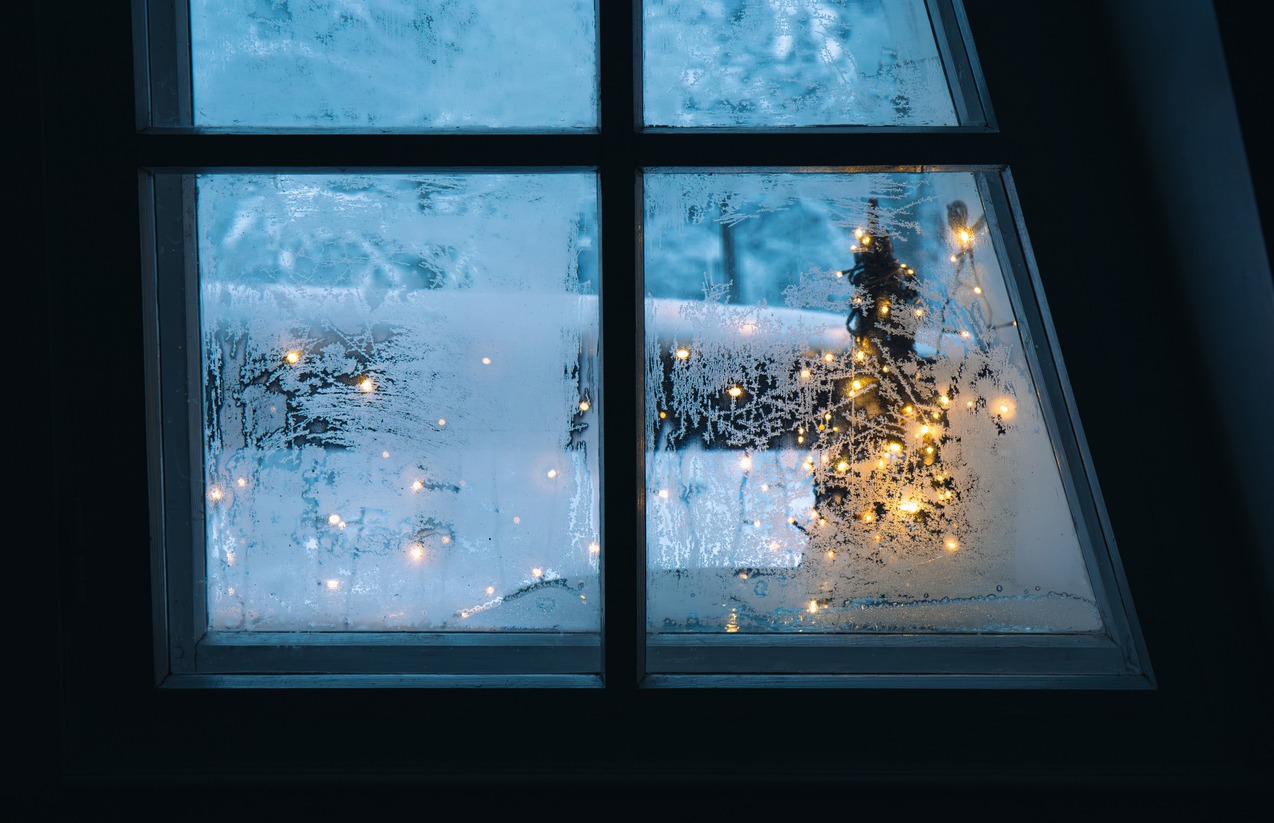
Preventing ice and frost buildup on windows helps your home stay warm while protecting window frames from damage. Frost forms when cold air outside meets warm, moist air inside. To reduce this, keep indoor humidity low by using exhaust fans and a dehumidifier. Wipe down windows regularly to remove moisture before it turns into frost.
Maintaining proper insulation also helps. Use weatherstripping and caulking to seal gaps around windows. Consider applying frost-prevention spray to the exterior of windows for extra protection.
Clear gutters and downspouts to avoid ice dams that can force water into your home and cause damage near windows and walls. Regular upkeep keeps winter weather at bay while protecting your windows.
Additional Tips for Keeping Windows Safe and Warm
Besides the tips we already mentioned, there are minor adjustments around the house you can do to help reduce heat loss and protect windows from harsh weather. Below are several additional tips to consider:
- Lock Windows Securely: Make sure windows are fully closed and locked to prevent drafts and increase security.
- Use Draft Stoppers: Place draft stoppers along window sills to block cold air leaks. They are inexpensive and easy to use.
- Install Window Awnings: Add awnings to shield windows from snow and ice buildup while reducing wind exposure.
- Reinforce Window Locks and Latches: Check that all locks and latches are working properly. Replace weak or damaged hardware as needed.
- Add Insulating Window Shades: Use cellular or honeycomb shades for added warmth. They provide extra insulation and improve energy efficiency.
- Trim Nearby Trees and Branches: Cut back branches that could break and damage windows during winter storms. This prevents costly repairs.
These simple tips help protect windows while keeping your home warm and energy-efficient all season long.
Conclusion
Keeping windows safe and warm during cold months is essential for a comfortable home. Simple steps like sealing gaps, adding insulation, and maintaining proper airflow help reduce heat loss and prevent common winter issues like frost buildup.
Regular inspections and minor upgrades such as weatherstripping, caulking, and installing thermal curtains make a noticeable difference in comfort and energy savings. Don’t overlook small maintenance tasks like cleaning window tracks and checking for damage before winter sets in.
These easy measures create a cozier living space while protecting your windows against harsh weather throughout the season. Staying proactive keeps the winter chill outside.