Safety Tips for Proper Disposal of Broken Mirrors
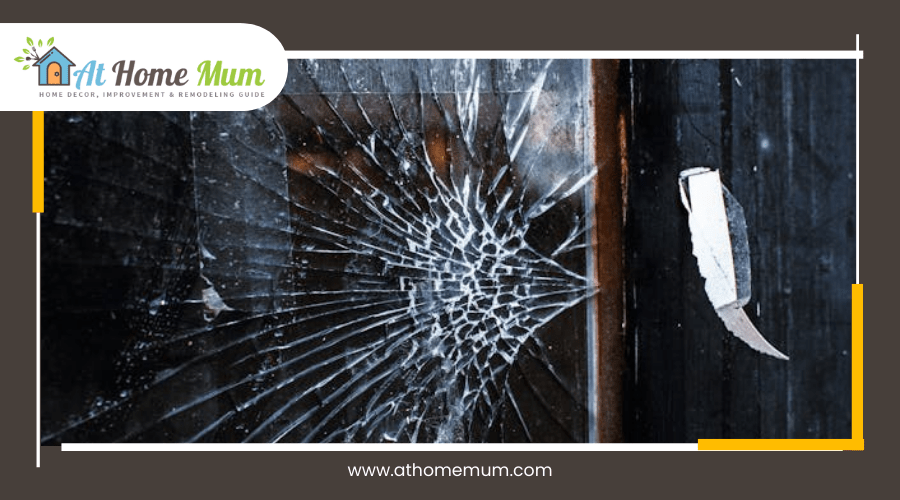
Disposing of broken mirrors might seem straightforward, but there are important safety measures to keep in mind. Without proper handling, shards of glass can cause injuries or harm to the environment. This article highlights practical steps for safely managing shattered mirrors to protect yourself and others while reducing potential risks.
Safety Gear and Precautions
Handling broken mirrors requires the right equipment to protect yourself and others. Using proper safety gear reduces the risk of injuries and makes the process safer.
- Gloves: Wear heavy-duty gloves to protect your hands from sharp edges and small glass splinters.
- Goggles: Use safety goggles to shield your eyes from tiny shards or dust that may fly into the air.
- Closed-Toe Shoes: Put on sturdy closed-toe shoes to protect your feet from falling pieces of glass.
- Long-Sleeved Clothing: Wear long-sleeved shirts and pants to cover your skin and reduce the chance of cuts.
- Dust Mask: Use a mask to avoid inhaling any fine particles if the mirror breaks into smaller pieces.
Taking the time to gather and wear this safety gear allows you to work confidently and minimizes the risks associated with handling broken mirrors. Staying prepared helps you focus on the task and keeps you protected throughout the process.
Dealing with Broken Glass
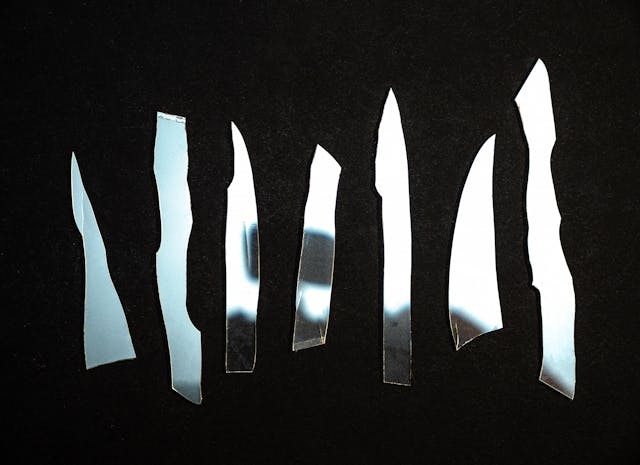
Broken glass needs to be handled with care to prevent injuries and maintain safety. First, wear protective gear like gloves and closed-toe shoes to shield your hands and feet.
Use a broom and dustpan to collect the larger shards, and sweep slowly to avoid scattering smaller pieces. For tiny fragments, press a damp paper towel or tape over the area to pick them up effectively. Always double-check the surface to ensure nothing is left behind.
Once the glass is collected, place it in a sturdy container like a cardboard box or a thick plastic bag. Label the container clearly to alert others about the broken glass inside. Secure it tightly to prevent any sharp edges from poking through. Dispose of the container according to your local waste guidelines.
Wrapping and Packaging
Properly wrapping and packaging broken mirrors is essential to keep everyone safe during disposal. Start by laying out a thick layer of newspaper or bubble wrap. Place the larger pieces of glass in the center, and carefully fold the edges over to completely cover them. Repeat this process for smaller pieces to keep everything secure and contained.
After wrapping, use strong tape to secure the layers of material. This prevents the glass from shifting or cutting through the wrapping. Place the wrapped pieces into a sturdy container like a cardboard box or a heavy-duty plastic bag. If using a bag, double-bag it to add an extra layer of protection. Always check that the container is strong enough to handle the weight and sharp edges.
Before disposal, label the package clearly to warn others of its contents. Words like "Broken Glass" or "Caution" can be written in bold letters on the outside. This step helps prevent accidental injuries for waste collectors or anyone handling the package later. Taking care to package broken mirrors safely helps create a safer environment for everyone involved.
Proper Labeling Techniques
Labeling broken mirrors correctly is an important step in safe disposal. Use a bold marker and write clear warnings on the container holding the glass. Phrases like "Broken Glass" or "Handle with Care" should be written in large, visible letters. This helps others immediately understand the contents and handle the package carefully.
Place the label on the top and sides of the container to make it easy to see from any angle. If the container is a cardboard box, write directly on it. For plastic bags, use a large sticker or tape a piece of paper with the warning written on it. Double-check that the label is secure and will not peel off or fade before disposal.
Clear labeling helps protect waste collectors and others who may come into contact with the package. It also ensures the broken mirror is handled appropriately at disposal facilities. Taking the time to label everything properly shows consideration for safety and helps avoid unnecessary risks.
Cleaning Up Remaining Shards
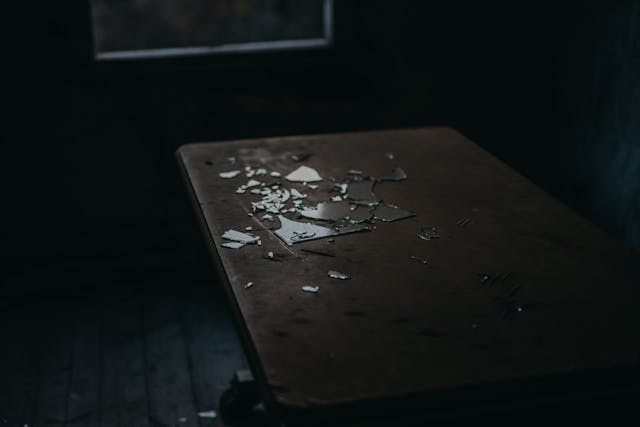
After collecting the larger pieces of broken glass, it is important to remove the smaller shards that may still be left behind. Begin by using a broom and dustpan to sweep the area thoroughly. Move slowly to avoid spreading the shards further. Pay attention to corners and edges where tiny pieces of glass might hide.
Once the sweeping is done, use a damp paper towel or a piece of tape to pick up the smaller fragments that are too fine to see clearly. Press the tape or paper towel gently over the surface, and repeat until no shards are left. Dispose of these materials carefully by placing them in a secure bag before discarding.
Double-check the area by running your hand over the surface lightly while wearing gloves. This step helps you feel for any remaining pieces that may have been missed. Keeping the area shard-free reduces the risk of injuries and ensures the space is safe to use again.
Alternatives to Mirror Disposal
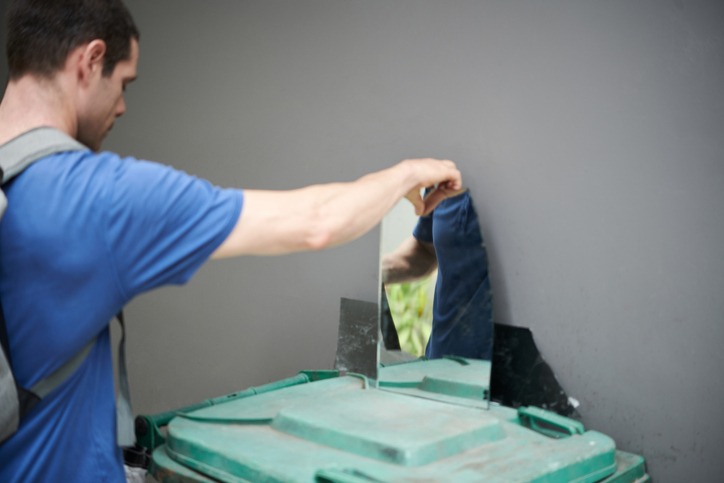
Throwing away a broken or unwanted mirror is not the only option. There are creative and practical ways to reuse or repurpose mirrors that help reduce waste and give them a second life.
- DIY Projects: Use broken mirror pieces to create mosaics, decorative frames, or art installations.
- Garden Decoration: Repurpose mirrors as reflective surfaces in your garden to add light and dimension.
- Donation: If the mirror is intact but no longer needed, donate it to a local thrift store or community center.
- Home Repairs: Keep the mirror pieces for use in home improvement projects, such as tiling or patching reflective surfaces.
Finding alternative uses for mirrors helps extend their value while reducing the amount of waste sent to landfills. These options are simple, practical, and environmentally friendly.
Conclusion
Proper disposal of broken mirrors is an important task that requires attention and care. By following safety tips such as wearing protective gear, wrapping glass securely, and labeling it clearly, you help prevent accidents and protect others. With a little effort and preparation, dealing with broken mirrors becomes a manageable and safe process for everyone involved.