Real Wood vs. Veneer Furniture: What's the Difference?
When choosing furniture, understanding the materials used is essential. Real wood and veneer are two common options, each with unique qualities.
Real wood is crafted from solid timber, offering durability and a natural look. Veneer furniture, on the other hand, uses a thin layer of wood attached to a core material, balancing appearance and affordability. Knowing the differences helps shoppers make informed decisions about style, longevity, and budget.
What is Real Wood Furniture?
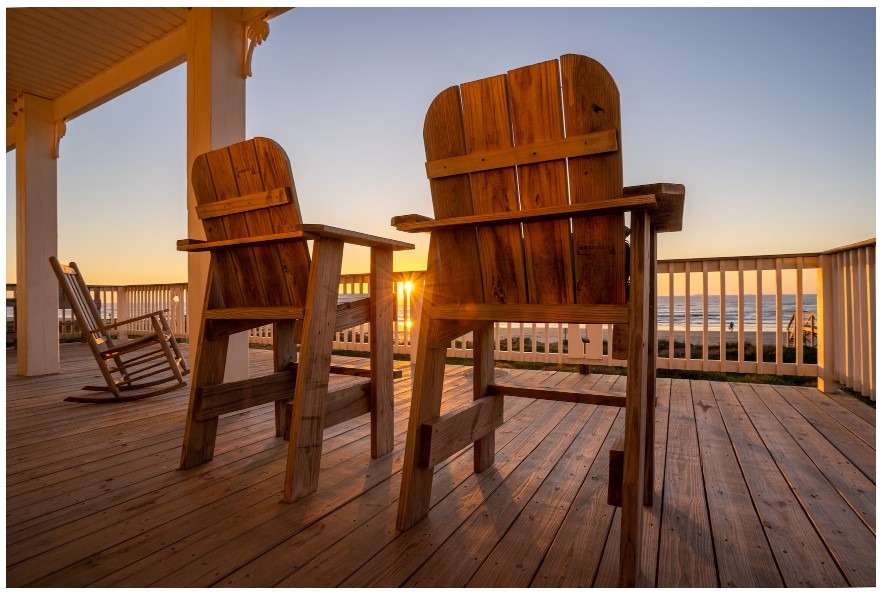
Real wood furniture is made entirely from natural timber, giving it a solid and authentic feel. Each piece is crafted using hardwoods like oak, maple, or walnut, or softwoods like pine and cedar. These materials are valued for their durability and the distinct grain patterns that make every item unique. Real wood is often chosen for its strength and ability to withstand years of use.
One of the standout features of real wood furniture is its ability to age gracefully over time. Scratches or wear can often be repaired through sanding and refinishing.
Many people appreciate the character that develops as the wood matures. While real wood tends to cost more than other materials, its quality and timeless appearance are reasons why it remains a preferred option for many homeowners.
What is Wood Veneer?
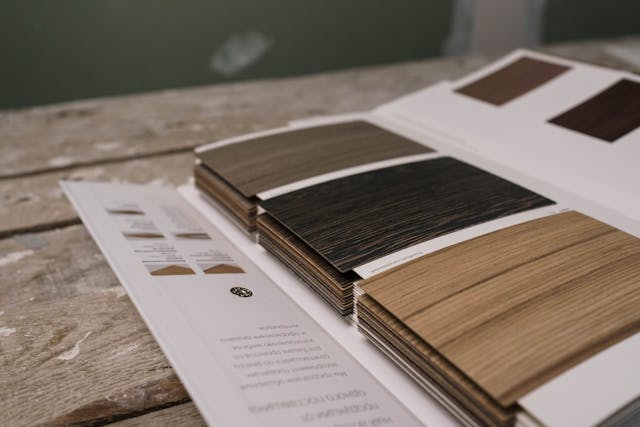
Wood veneer is a thin layer of real wood that is applied to the surface of a core material, such as plywood or MDF (medium-density fiberboard). It is created by slicing logs into sheets that are then glued onto the base. This process allows furniture makers to use less solid wood while still providing the appearance of a natural wood surface. Veneers are available in a wide variety of wood types and grains.
One advantage of wood veneer is its affordability compared to solid wood furniture. By using a core material underneath, manufacturers reduce costs while still achieving a high-quality look.
Veneer is also less prone to warping or cracking since the base material adds stability. This makes it a practical choice for furniture in areas with fluctuating temperatures or humidity.
While wood veneer provides a beautiful surface, it requires proper care to maintain its appearance. The thin layer of wood can be damaged by deep scratches or heavy wear, which are harder to repair than in solid wood. Despite this, it remains a popular choice for those looking for an elegant design without the higher cost of solid wood.
Durability and Longevity Comparison
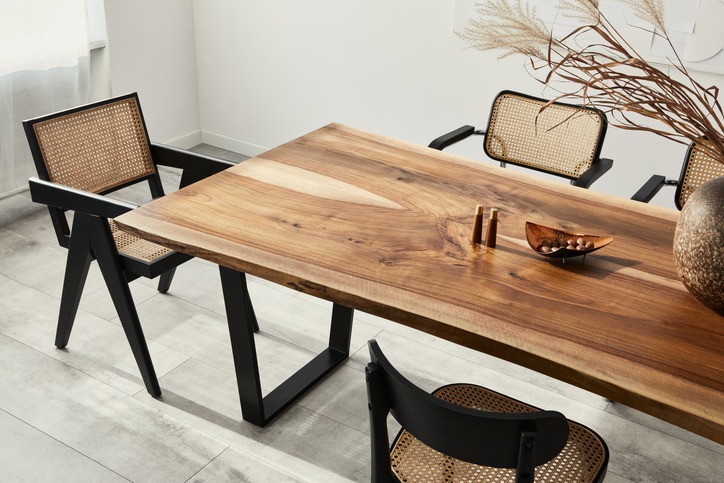
Real wood furniture is known for its durability and ability to last for decades. Solid wood is sturdy and resistant to everyday wear and tear, making it an excellent choice for high-use items like dining tables and chairs.
Real wood’s structure allows for repairs and refinishing, which can help restore its appearance over time. Many people see real wood furniture as an investment due to its long lifespan.
Wood veneer furniture offers a different level of durability. The core material, such as MDF or plywood, provides stability and resistance to warping. However, the thin veneer layer is more susceptible to scratches, chips, and damage that may not be as easily repaired. Despite this, properly cared-for veneer furniture can last for many years while maintaining its stylish appearance.
Both options have their strengths when it comes to longevity. Real wood is better suited for those who value durability and the ability to restore furniture over time. Veneer furniture works well for individuals seeking an affordable option that balances style and practicality. Choosing between the two depends on personal needs and how the furniture will be used in daily life.
Aesthetic Differences
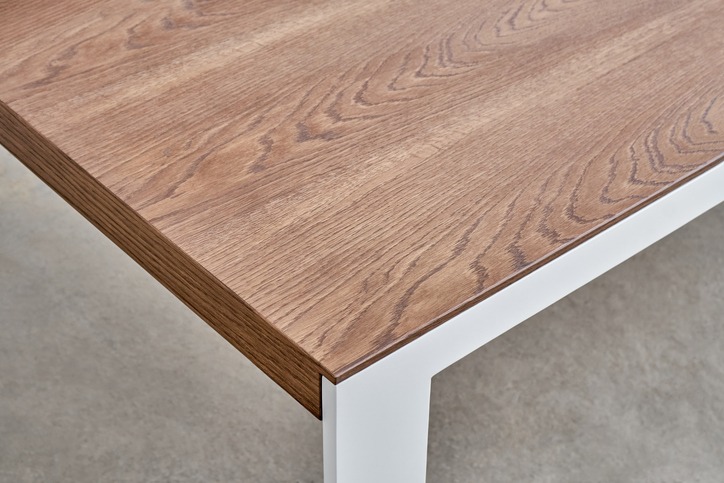
Real wood furniture is valued for its natural and authentic appearance. The unique grain patterns and textures of solid wood create a warm and timeless look that appeals to many. Each piece of real wood furniture has its own character, making it a popular choice for those who appreciate individuality in their decor.
Wood veneer furniture offers a polished and consistent appearance. The veneer layer allows manufacturers to use high-quality wood slices, creating a flawless surface that often looks more uniform than solid wood. This consistency makes veneer furniture a great option for modern designs where sleek and refined aesthetics are preferred.
Cost Considerations
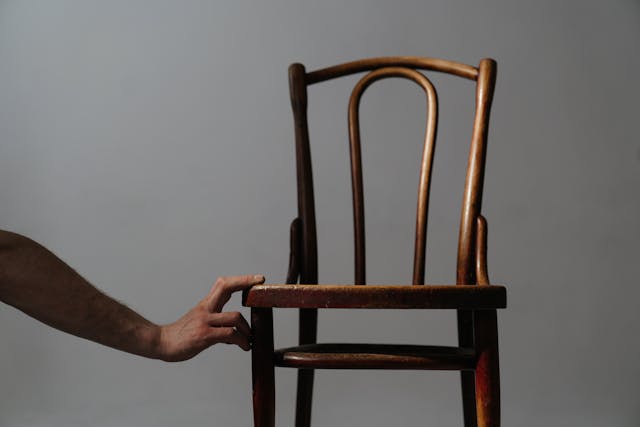
Real wood furniture tends to be more expensive due to the materials and craftsmanship involved. The use of solid timber and the time required to construct each piece contribute to its higher price. This cost is often seen as an investment, as real wood furniture is known for its durability and long-lasting appeal.
Wood veneer furniture is generally more affordable, making it a popular option for budget-conscious buyers. The use of core materials like MDF or plywood reduces production costs while still offering a wood-like appearance. Veneer furniture allows homeowners to achieve a stylish look without the expense of solid wood.
The choice between real wood and veneer often comes down to budget and priorities. Real wood is ideal for those willing to pay more for durability and unique aesthetics. Veneer furniture offers a practical alternative for anyone looking to save money while still achieving a sophisticated design.
Maintenance and Repair
Real wood furniture is relatively easy to maintain and repair. Regular cleaning with a soft cloth and occasional polishing helps preserve its natural beauty. Scratches, dents, or other damage can often be sanded out, and the surface can be refinished to restore its original appearance. This makes real wood a practical choice for people who want furniture that can handle wear and tear over time.
Wood veneer furniture requires more careful handling to maintain its look. The thin veneer layer is more prone to scratches and chips, which are harder to repair. Gentle cleaning and avoiding harsh chemicals are important to prevent damage to the surface. While minor issues can sometimes be fixed with wood repair kits, extensive damage may require professional help.
Both real wood and veneer furniture benefit from being kept in stable conditions. Avoiding excessive moisture or extreme temperatures helps prevent warping and cracking.
Conclusion
No matter the choice, both real wood and veneer furniture can add beauty and functionality to a home. Taking time to consider how the furniture will be used and cared for is the best way to select a piece that meets individual needs and complements any space.