
How to Use the Oven's Self-Cleaning Function
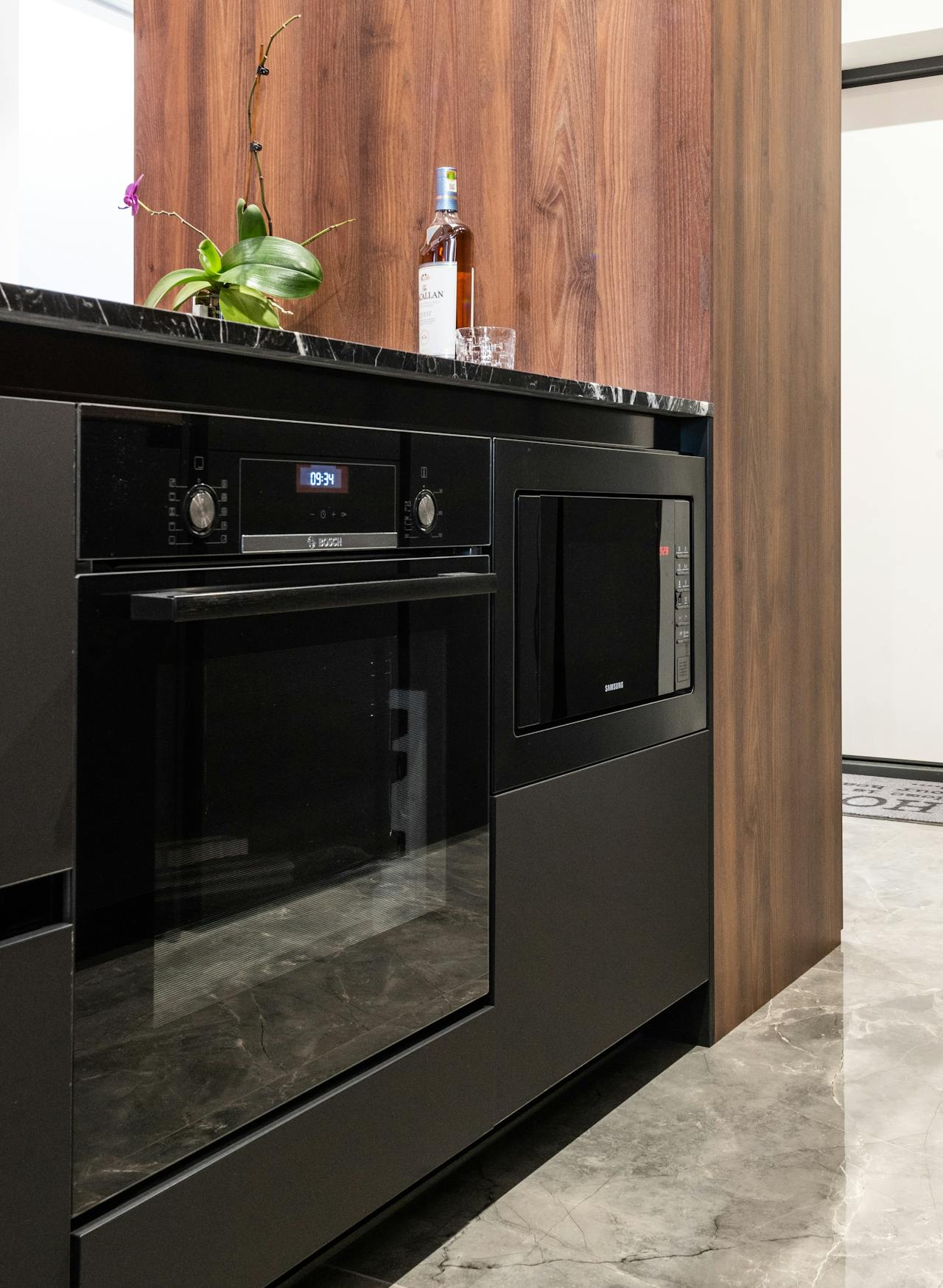
Have you ever been puzzled over that mysterious self-clean button on your oven? You're not alone. Most of us just ignore it, convinced it’ll either break our units or set off the smoke alarm.
But here’s the kicker: It actually works, and it’s been sitting there quietly waiting to save you from hours of elbow grease.
If you want to skip those weekend-long scrubbing sessions, keep reading because we’ll show you how to make the most out of this convenient feature.
Read the Manual
Don’t charge in and press buttons like you’re launching a rocket just yet. Instead, crack open the manual first. It’s not exactly bedtime reading, but it will save you heaps of trouble down the road.
Each oven has its own quirks, and the handbook has all the dos and don'ts you need to know. It can also help you figure out if a quick cycle is enough or if you need to go all out.
If you skip this part, your kitchen might end up smelling a little toastier than planned. Worse yet, you might even end up causing harm to the oven itself.
So, having a look at the manual is a smart move if you don’t want to push your unit into an early retirement.
Prepare Your Oven
Before you let your oven do its fiery magic trick, you’ll need to prep your unit. Start by taking out all the racks and any other bits and bobs, as the heat can warp or damage them.
Next, give the interior a quick wipe-down to clear out any leftover food or spills. The cleaner the inside is, the less smoke you’ll have billowing through your kitchen.
Now, to catch any drips and keep your floor nice and tidy, pop a towel under the oven door. Once that’s done, check inside for anything loose that shouldn’t be roasted at 500°C, then shut the door tight—it’s about to get hot in there!
Set the Self-Cleaning Mode
Now that the racks are out and the crumbs are gone, you’re ready for the main event: letting your oven clean itself. New models typically include the self-cleaning options right on the main control panel, and which one you pick depends on the state of play inside.
So, take a moment to check how dirty your oven actually is. If your unit is just a little grubby, a short cycle will do the trick.
But if you’ve been roasting chicken all winter and the walls are wearing the evidence, you’ll need the long, heavy-duty version.
Once you set the mode, your oven will lock its door tight. That’s a safety feature, not a design flaw, as the inside is about to hit extreme heat, and the last thing you need is curious fingers or pets getting any close to the heat source.
Also, to get the best results, don’t try to interrupt the process. Honestly, it’s one of the few moments where sitting back and doing nothing is the most responsible option.
However, if you’ve let the grime build up for months or the thought of smoke and heat stresses you out, calling in an oven cleaning company is a good idea. They’ll tackle the worst of it without you breaking a sweat.
Keep the Air Moving
While your oven is busy roasting away its own grime, you may notice some smoke or odd smells.
This is normal, but you definitely don’t want to stew in it. So, crack open your kitchen windows and flick on any exhaust fans to improve the airflow.
Don't want your kitchen to smell like burnt grease for the rest of the evening? Pop a bowl of vinegar near the oven to neutralise bad odours and keep your space fresh.
Finally, for their safety, keep pets and little kids out of the area while it's all going down.
Monitor the Cleaning Cycle
Just because your oven is locked up and doing the hard work doesn’t mean you can forget about it completely.
Instead, check in every so often, listening for any strange rattles or watch for smoke that seems a bit over the top.
Remember, the cycle will take a while, so you’ve earned the right to put your feet up, make a cuppa, or plan what you’re going to cook in that sparkling oven later. Just stay close enough that you’ll notice if something feels off.
Wait for Your Oven to Cool
After the self-cleaning cycle is done, make sure to let the unit cool off completely before opening it. The door will stay locked until things are cool enough, which usually takes about an hour.
Whatever you do, don't try to force it open with tools since that can damage the cooker or even hurt you.
You can use this time to clear your countertop or prep for the wipe-down. When the door finally unlocks on its own, you’ll know it’s safe to move on to the next step.
Wipe Away the Ash
Once your oven has cooled and the door has finally clicked open, that’s your cue to finish the job. You’ll notice a light layer of ash coating the inside, which is just the burnt remains of all that gunk the cycle got rid of.
To remove it, grab a slightly damp cloth and quickly wipe down all surfaces. Harsh chemicals and abrasive scrubbers aren't necessary. In fact, they could damage the special coating inside.
Keep in mind that some ash may be hiding in the seams of the door frame, the little ledge at the front, and right at the back wall. A soft brush or even an old toothbrush can be a lifesaver when it comes to handling those awkward areas.
While you’re at it, don’t forget to wipe the glass door with your towel as well. That way, the next time you check on a roast, you’ll actually see it instead of peering through a smudgy haze.
Put Back the Racks
Now that the ash is gone and your oven is looking a whole lot fresher, it’s time to put everything back together. However, make sure the interior is dry first. Sliding racks into a damp oven traps moisture, and that can cause rust or odd smells the next time you cook.
After the inside dries, put those clean racks back into position. If they’re greasy or dull, give them a scrub separately in warm, soapy water before you return them.
For an extra pro move, run your oven on a low temperature for ten minutes once everything is back in place. Finally, leave the door slightly open to stop any musty smells in their tracks.
Conclusion
Who knew pressing one button could save you from hours of scrubbing? Your oven just cleaned itself while you barely lifted a finger.
So, the next time something bubbles over, don’t stress. Just fire up the self-clean cycle and let it sort itself out. Your future self will thank you when dinner is in the oven and the only thing filling your kitchen is the smell of delicious food, not burnt grease.
Related posts