How to Turn Your Garage Into a Comfortable Living Area
Have you ever looked at your garage and thought it could be something more? Maybe you need an extra bedroom, a home office, or a cozy family room. Your garage has the potential to become exactly what you need. This guide will show you how to change that space into a room your family will love.
Key Takeaways
- Always check local building codes and get proper permits before starting any work
- Focus on good insulation and climate control to make the space comfortable year round
- Add plenty of windows for natural light and proper ventilation
- Plan for adequate electrical outlets and lighting throughout the space
- Choose durable, moisture resistant materials for flooring and walls
- Work with licensed professionals for electrical, plumbing, and structural work
Why Convert Your Garage?
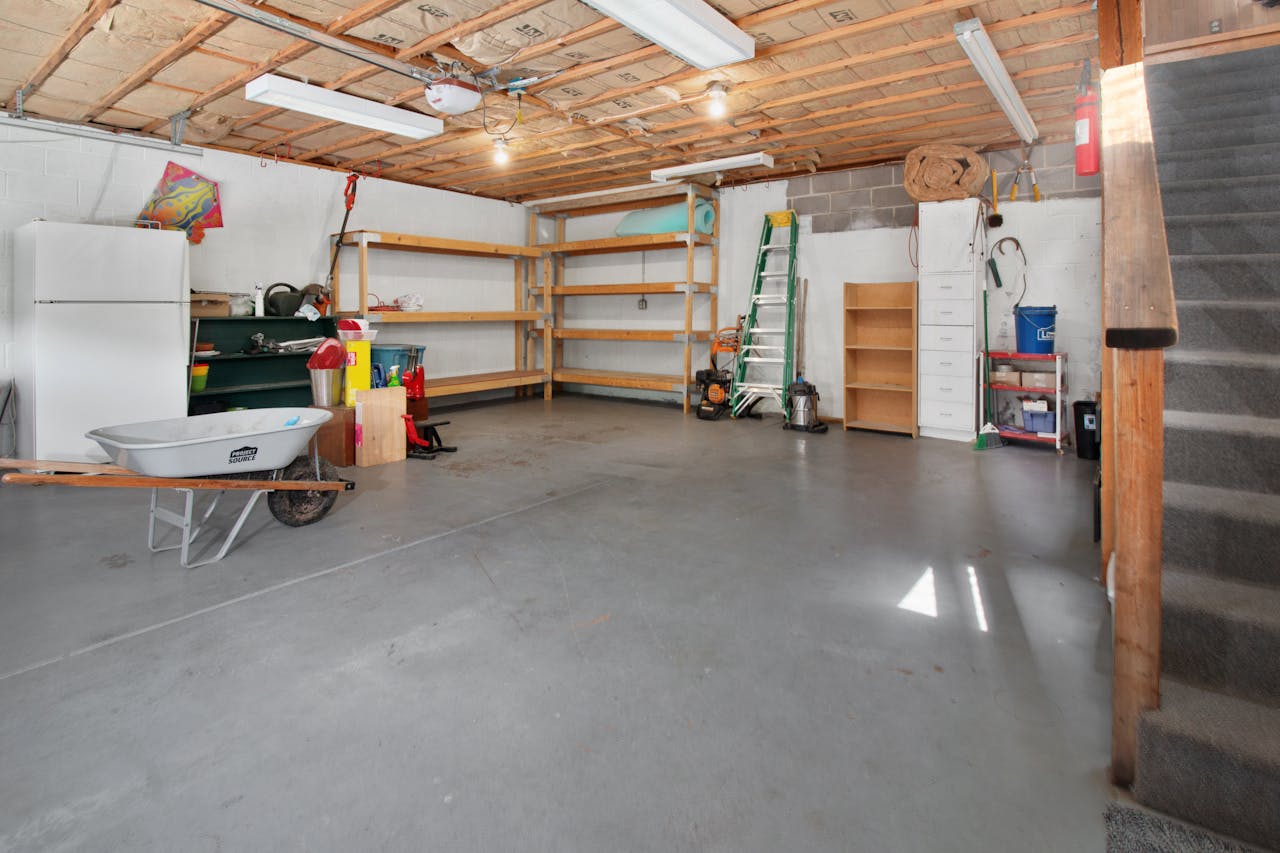
Your garage takes up a big part of your home's footprint. But if you're like most people, it's just storing boxes and tools you rarely use. Converting this space makes sense for many reasons.
First, you gain extra square footage without building an addition. This saves you money and time. The walls, roof, and foundation are already there. You just need to make the inside comfortable.
Second, a converted garage can increase your home's value. Buyers love finished, usable space. An extra bedroom or office can make your property stand out in the real estate market.
Third, you get flexible space. Need a guest room? Done. Want a playroom for the kids? Perfect. Looking for a quiet home office? Your garage can become all of these things.
Check Your Local Rules First
Before you start any work, talk to your local building department. Every city and town has different rules about garage conversions. You will likely need permits.
Some areas require you to keep a certain number of parking spaces. Others have specific rules about windows, ceiling height, and exits. Find out what applies to your property before spending money on plans.
Your homeowner's association might also have rules. Read your HOA documents or call them directly. Getting approval now prevents headaches later.
Plan Your New Space
Think about how you want to use the room. A bedroom needs different features than a home gym. Make a list of must haves.
For a bedroom, you need closet space, good lighting, and privacy. An office requires outlets for computers and equipment. A playroom should have durable flooring and plenty of storage.
Measure your garage carefully. Standard single garages run about 12 by 24 feet. Double garages offer roughly 20 by 20 feet. Knowing your exact dimensions helps you plan furniture placement and storage.
Deal With the Garage Door
Your garage door opening is probably the biggest change you'll make. You have three main options.
You can remove the door completely and build a regular wall. This gives you the most insulation and makes the room feel like any other in your house. It's the best choice for bedrooms and offices.
Another option is keeping the door but adding insulation behind it. Some people like having the option to open up the space for parties or projects. This works well for hobby rooms or studios.
The third choice involves replacing the garage door with large windows or French doors. This brings in natural light and creates an indoor/outdoor feel. It works great for family rooms or sunrooms.
Why Proper Insulation Matters
Garages typically have no insulation. You'll feel every hot summer day and cold winter night without it. Good insulation makes your new room comfortable year round.
Start with the walls. Install insulation batts between the studs. Use at least R13 for walls. Higher numbers mean better insulation.
Don't forget the ceiling. Heat rises, so ceiling insulation matters even more than walls. Use R30 or higher if possible. This keeps your heating and cooling bills reasonable.
Ensure Proper Heating and Cooling
Your new room needs heating and cooling. You have several options depending on your budget and existing systems.
The easiest solution extends your home's current HVAC system. A contractor can add ducts to reach the converted space. This works well if your system has extra capacity.
Ductless mini split systems offer another good choice. These units mount on the wall and don't require ductwork. They heat and cool efficiently.
Ensure a Solid and Durable Floor
Garage floors slope slightly toward the door for drainage. This won't work for living space. You need a level, comfortable floor.
One popular solution involves laying a subfloor system. These interlocking panels sit on top of the concrete. They create space for insulation underneath. Then you can add any flooring you want on top.
Another option uses self leveling concrete. This fills the low spots and creates a flat surface. Once it dries, you can install tile, hardwood, laminate, or carpet.
Bring in Natural Light
Garages usually have little to no windows. Dark rooms feel small and unwelcoming. Adding windows makes a huge difference.
Plan for at least one large window on each exterior wall if possible. Building codes often require specific window sizes for bedrooms. These egress windows allow people to escape in emergencies.
Skylights bring light from above without taking up wall space. They work especially well in garages with high ceilings.
Glass doors, either French or sliding, connect your new room to the outside. They flood the space with light and create easy outdoor access.
Update Electrical and Plumbing
Garages typically have minimal electrical outlets. You need more for a living space. Plan for outlets every six feet along walls. Add dedicated circuits for major appliances.
Consider your lighting needs. Overhead fixtures provide general light. Add task lighting for reading areas or workspaces. Dimmer switches let you control the mood.
If you want a bathroom or kitchenette, plumbing gets complicated. Pipes need to reach your garage from the main house. This often means cutting through concrete floors.
Choose the Right Finishes
Drywall makes walls smooth and ready for paint. Use moisture resistant drywall in areas that might get damp. Finish all joints carefully.
Pick durable flooring. If the space will get heavy use, avoid carpet. Luxury vinyl plank looks great and stand up to traffic. Tile works well too, especially in wet areas.
Paint colors set the mood. Light colors make small spaces feel bigger. Dark colors create cozy feelings.
Think About Storage
Converted garages often need creative storage solutions. You're losing the space where you kept tools, sports equipment, and seasonal items.
Built in shelving maximizes wall space. Floor to ceiling units hold more than standalone furniture. Add doors to hide clutter.
Window seats with lift up tops provide seating and storage. They work great under new windows.
Closet systems keep clothes and belongings organized. Even a small closet makes a bedroom feel more legitimate.
Make It Energy Efficient
Good insulation helps, but you can do more to keep energy costs down. Energy efficient windows have multiple panes and special coatings. They keep heat in during winter and out during summer.
Seal all gaps around doors and windows. Air leaks waste energy. Use caulk and weatherstripping to close them up.
LED lights use less electricity than old bulbs. They last longer too. Install them throughout your converted space.
A Well-Planned Garage Conversion Makes All the Difference
Converting your garage into living space gives your home new life. You gain room where you need it most. The project requires planning, permits, and professional help for certain tasks.
Start by checking local rules and obtaining the right permits. Plan your space carefully, insulate properly, and add climate control. Don’t skimp on windows and lighting to ensure comfort and functionality.
While some homeowners tackle parts of the project themselves, working with experienced professionals ensures top-quality results. Companies like All County Development are garage remodeling experts and specialize in garage conversions, handling everything from design to final touches. They understand local building codes, have strong supplier relationships, and bring years of experience to your project.
With careful planning and skilled execution, your garage can become a comfortable, functional room that meets your family’s needs. Whether you’re creating a cozy guest room, a productive home office, or a fun play space, your converted garage can quickly become one of your favorite spots in the house.