How to Select the Most Energy-Efficient Windows
Selecting the right windows for your home is one of the smartest ways to save energy and reduce utility bills. With so many options on the market, understanding what makes a window energy-efficient is essential for homeowners looking to invest wisely.
In this article, we will break down the features to consider and explain how to choose windows that help you save money while protecting the environment.
What is Energy Efficiency for Windows?
Energy efficiency in windows refers to their ability to prevent heat from escaping in the winter and block unwanted heat in the summer. This helps maintain a stable indoor temperature without relying too much on heating or air conditioning. The better a window is at reducing heat transfer, the less energy your home needs to stay comfortable throughout the year.
Several factors determine a window’s energy efficiency, including its frame material, glass type, and design features. Modern windows often have multiple panes, special coatings, and gas fillings between panes to improve insulation. Certifications like ENERGY STAR and labels from the National Fenestration Rating Council (NFRC) provide clear ratings to help homeowners compare energy performance when shopping for windows.
Factors to Consider

Choosing energy-efficient windows involves more than just picking a style that looks good. Several key features determine how well a window performs in saving energy and reducing heating and cooling costs. Here are the most important factors to keep in mind when shopping for energy-efficient windows.
Frame Material
The type of frame used in a window affects its insulation properties and durability. Vinyl frames are popular because they are affordable and require little maintenance while offering good energy efficiency. Wood frames provide excellent insulation but need regular upkeep to prevent rot and weather damage.
Aluminum frames are strong and long-lasting but less energy-efficient unless they have thermal breaks. Composite frames combine materials like wood and resin for strength and improved insulation.
Glass Type
The glass in a window plays a central role in energy efficiency. Double- or triple-pane glass creates an insulating barrier that reduces heat transfer. Low-E (low-emissivity) coatings on the glass reflect heat while allowing natural light to pass through, keeping homes warmer in winter and cooler in summer. Gas fillings like argon or krypton between panes add another layer of insulation and further boost energy efficiency.
Energy Performance Ratings
Understanding window performance ratings is essential for making an informed choice. The U-factor measures how well a window prevents heat from escaping; a lower number means better insulation.
The Solar Heat Gain Coefficient (SHGC) indicates how much heat the window lets in from the sun, with lower ratings preferred in hot climates and higher ratings in cold regions. The Visible Transmittance (VT) shows how much natural light passes through, while the Air Leakage (AL) rating measures how much outside air enters through the window.
Window Style
Different window styles offer varying levels of energy efficiency. Fixed windows, which do not open, provide excellent insulation because they have no moving parts.
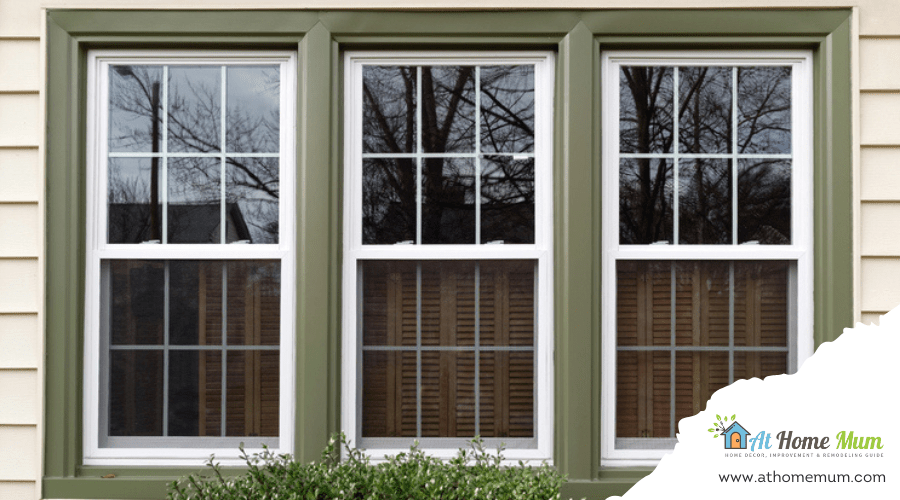
Casement and awning windows seal tightly when closed, which then reduces air leaks. Double-hung and sliding windows are convenient but may allow more air leakage due to their design. Choosing the right style depends on both energy needs and personal preferences.
Professional Installation
Proper installation is just as important as the window itself. Even the most energy-efficient window will underperform if it is not installed correctly.
Gaps, misalignment, and poor sealing can cause drafts and increase energy bills. Hiring experienced professionals ensures the windows fit securely and perform as intended while maximizing energy savings and home comfort.
Certification and Labeling

Energy-efficient windows come with labels and certifications that help buyers compare performance and choose products that meet industry standards. These labels provide reliable information about energy performance and compliance with energy-saving guidelines. Below are the most common certifications and labels to look for when shopping for windows.
- ENERGY STAR Certification: ENERGY STAR is a trusted government-backed program that identifies products meeting high energy-efficiency standards. Windows with this label have been tested and certified to save energy without sacrificing performance or comfort. ENERGY STAR ratings vary by climate zone, so it is important to select products suited to your region.
- National Fenestration Rating Council (NFRC) Label: The NFRC label provides detailed performance ratings for windows based on energy-related factors. It includes measurements like U-factor, Solar Heat Gain Coefficient (SHGC), Visible Transmittance (VT), and Air Leakage (AL). This label helps homeowners compare different products and make informed decisions based on their specific energy needs.
- Leadership in Energy and Environmental Design (LEED) Certification: LEED certification applies to buildings rather than individual products but includes points for using energy-efficient windows. Homes and buildings with LEED certification meet strict environmental and energy-saving criteria, making this a relevant consideration for eco-conscious buyers or builders pursuing green construction.
- Local and Regional Certifications: Some states or regions have their own energy-efficiency standards and rebate programs. Windows that meet these local standards may be eligible for tax credits or rebates, reducing upfront costs. Checking for local certifications can offer added value when choosing energy-efficient windows.
Additional Considerations
Certain practical factors also affect how well windows perform in real-world conditions. Check out these additional points to keep in mind when upgrading or installing new windows.
- Climate and Location: Different climates require different window features. Homes in colder regions benefit from windows with a lower U-factor to keep heat inside. In warmer climates, windows with a lower Solar Heat Gain Coefficient (SHGC) reduce unwanted heat. Orientation also matters; windows facing the sun may need special coatings or shades to block intense sunlight.
- Maintenance and Durability: Long-lasting windows reduce replacement costs and waste. Frames made of vinyl or composite materials require minimal maintenance and resist weather damage. Wood frames offer great insulation but need regular sealing and painting. Choosing low-maintenance materials can save time and money over the life of the windows.
- Security and Safety Features: Strong frames and reinforced glass improve home security. Double- or triple-pane windows are harder to break, adding protection against break-ins and storms. Look for windows with secure locking systems and tempered or laminated glass for added safety.
- Aesthetics and Curb Appeal: Windows also influence a home’s appearance. Choose styles that complement the home’s architectural design while offering energy efficiency. Grilles, trim colors, and custom designs add character without sacrificing performance. Matching form with function boosts both style and energy savings.
- Budget and Long-Term Savings: Energy-efficient windows come with various price points based on materials, features, and certifications. While some options may have a higher upfront cost, they often lead to lower energy bills and increased home value over time. Balancing initial expenses with long-term savings helps make the best investment.
Conclusion
With the right windows, homeowners benefit from better insulation, lower utility costs, and a more comfortable living environment. By considering both technical specifications and practical features, it is possible to find energy-efficient windows that meet both functional and aesthetic needs.