How to Layer Rugs, Art, and Accessories for a Designer Look
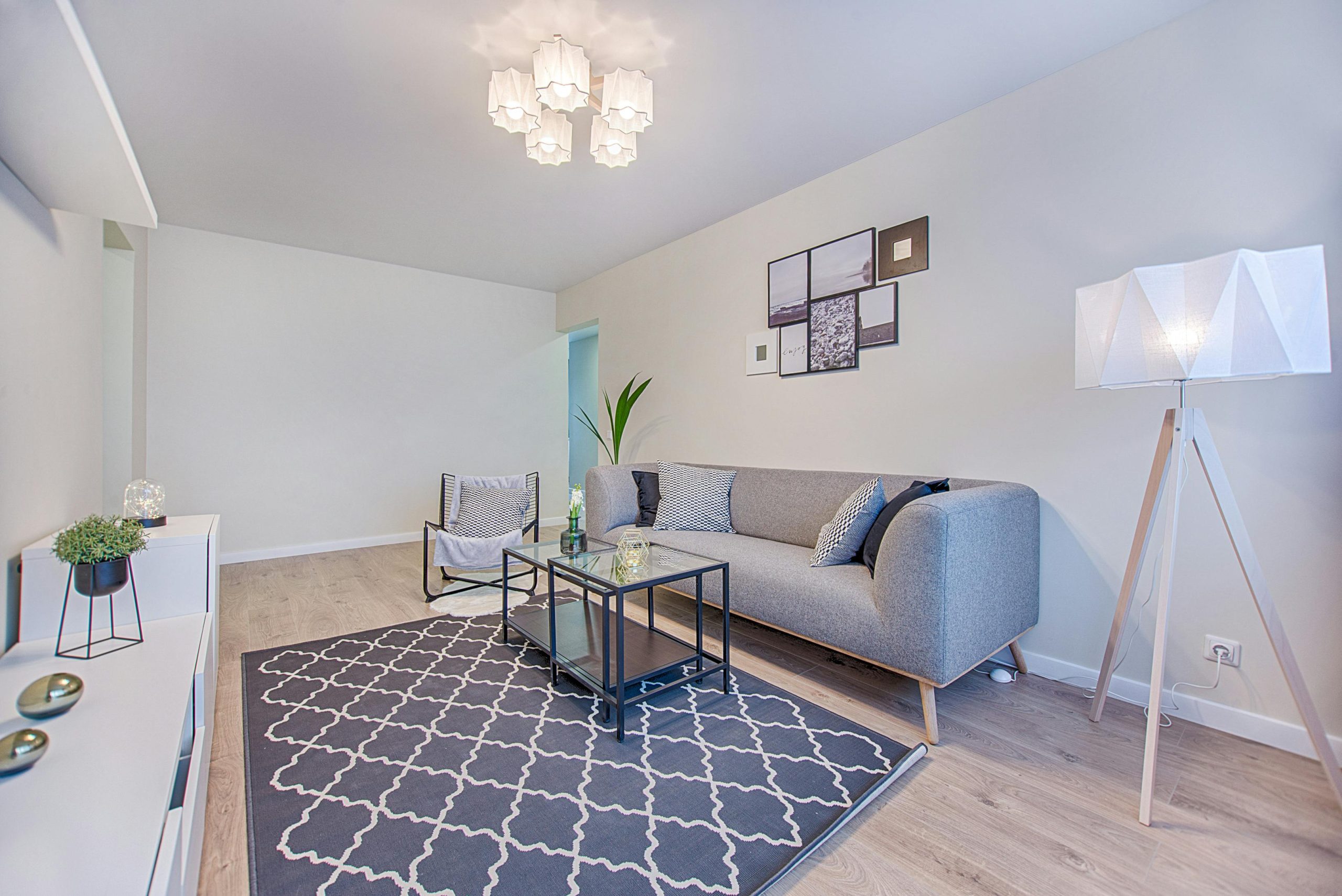
Interior design is all about layering – it adds depth, texture and personality to space and is a key technique for designers to build off. You can get the feel that you designed it all, that it all looks cohesive, when you thoughtfully layer rugs, art, accessories, etc. Here are the 10 practical tips on how to master the art of layering to make your home decor more elevated.
1. Start with Rugs: Foundation of the Room
The layering of rugs is a great way to break up a space, create a warm feeling, or add patterns or colours. Here’s how to do it:
Base Layer: Start with a big and neutral rug to bring an order in the room. It can be a jute, sisal or wool rug in a solid or subtle texture.
Top Layer: If you add a smaller, more vibrant or patterned rug on top, you can give your space a fresh new feel at practically no cost. For this purpose Persian, kilim or Moroccan rugs are just fine.
Placement: Place the smaller rug in the center of the larger orienting it to bring attention to a seating arrangement, bed, etc.
Rugs can be layered to bring some visual interest or even bring some elements together in the room.
2. Wall Art — Create a Focal Point
One of the best ways to show your style and make a statement is layering art on your walls. Follow these steps:
Gallery Walls: Choose from eclectic mix and match frames, art sizes, and styles. Put together a modernized scrapbook using vintage pieces, modern prints and your own photos.
Layered Frames: Stack smaller frames against bigger ones on shelves or mantels. Overlapping one creates depth, overlapping two gives you a relaxed vibe.
Wall and Leaning Art: Combine pieces that hang on the wall, with pieces that lean against it on consoles or the floor for an animated display.
However, experiment with some layouts before delving in to a final arrangement.
3. Texture and Dimension Layer Accessories
Cushions, throws and tabletop decor help to finish off a layered look. Here’s how to layer them effectively:
Cushions and Throws: Combine cushions of difference size, shape and texture. Mixed in with the patterned or embroidered cushions, pair them with solid colored ones. Soft throw over a sofa or chair can bring coziness to the house.
Vignettes: Place clusters of accessories on coffee tables, sideboards or shelves. Bring books, candles, vases, and sculptures into your bed. Change the heights and textures on the arrangement to keep it interesting.
Natural Elements: Bring life and organic texture to your decor with plant, flowers or dried branches.
Layered accessories can really add to the ‘lived in’ feel in a room.
4. Play with Color and Patterns
If so, layering is great as it lets you try colors and patterns without clashing the entire space. Here’s how to strike the right balance:
Color Palette: All layers have to fit in a cohesive palette. For extra interest include some pops of bold colors, but sparingly.
Patterns: You have to mix patterns in several scales. For example, combine a large floral to a small geometric design. Make sure there is something to unify these also like it could be a shared colour.
Neutrals: Your layers will balance out bold pattern and color with neutral tones acting as a base.
A well coordinated palette makes sure you don't look like you simply piled things on top of one another.
5. Analyzing Balance Proportions and Scales
Make it Proportioned and scaled like a designer. Here’s how to do it:
Rug Size: Make sure the bottom rug is large enough just to frame the furniture, with the top rug providing just the perfect about of contrast.
Art Placement: Have art at eye level or equidistant to furniture for an even look.
Accessory Grouping: Place items in odd numbers (such as three or five items) and change their heights for interest.
The right proportions ensure that your layers compliment the room, without being cluttered.
Final Thoughts
Layering rugs, art and accessories is an art form that adds depth and relevance to your home. Once you start off with a good base, try experimenting with textures and patterns, as per art styles and place elements with balance proportions and you’ll achieve a designer look that isn’t only stylish, but also inviting. Feel free to mix materials, styles, and eras in order to make your space entirely your own. By applying theses tips, your home will be so curated, cohesive and full of character.