How to Find the Perfect Mirror for Your Home Decor
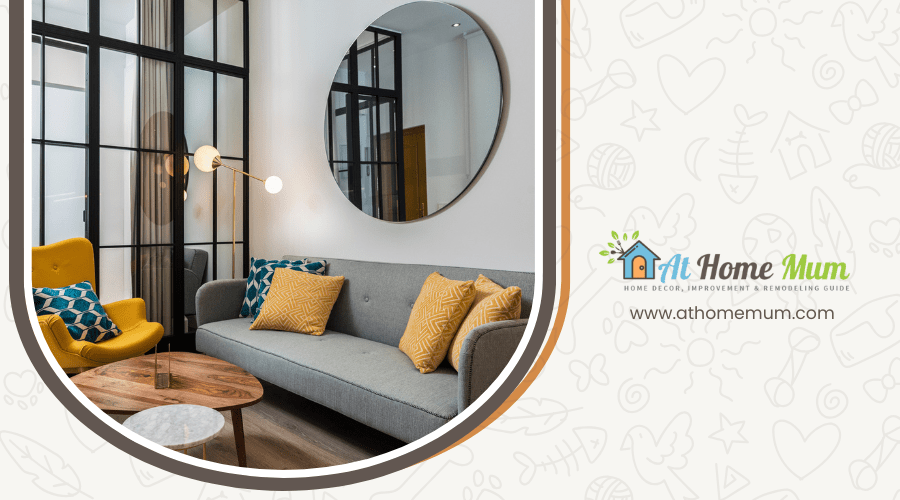
Mirrors can come in all shapes and sizes, so it can sometimes be difficult for people to find the most suitable ones for their homes. Fortunately, there are tricks that they can do to have an easier time finding the perfect mirrors.
The tricks in picking the best mirrors involve matching the mirrors with the style of particular rooms, defining the purpose of the mirrors, and placing them in the best locations. Let us dive deeper into the tips and tricks in finding the perfect mirror for you to know more.
Define the Purpose of the Mirror
Mirrors serve different purposes depending on the room and the homeowner's needs. Some are purely functional, like a bathroom mirror used for daily grooming or a full-length mirror in a bedroom for checking outfits. Others are decorative and enhance the look and feel of a space.
Mirrors can also brighten a room by reflecting natural light or making a small area feel more open. Identifying why you want a mirror will guide you toward the best choice for your home.
Think about how the mirror will contribute to the space where it will hang. If it’s for functionality, focus on clarity, size, and placement that suits practical use. For decorative purposes, choose a mirror that complements the room's style and serves as a visual element.
Consider the Size
The size of a mirror should complement the dimensions of the room and the wall where it will be placed. A large mirror can create a sense of openness in a small room or serve as a bold centerpiece in a spacious area. On the other hand, a smaller mirror works well as an accent piece or in areas where subtle detail is preferred.
In spaces with high ceilings or large walls, oversized mirrors help fill the visual void and add depth. Smaller rooms benefit from mirrors that are appropriately scaled to avoid overwhelming the space. Measuring the wall and considering the distance between the mirror and nearby furniture is a practical step in choosing the correct size.
Choose the Right Shape
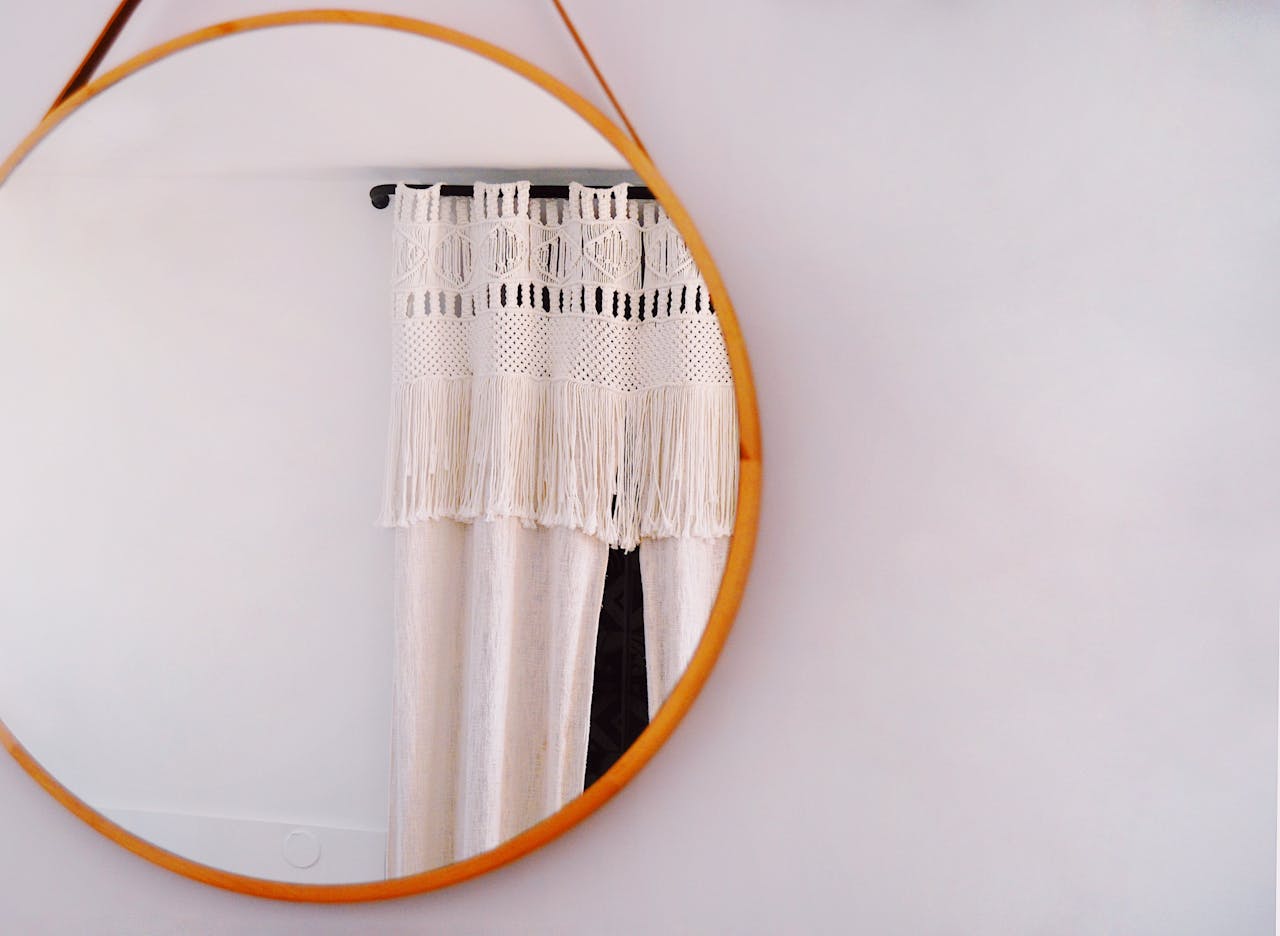
The shape of a mirror can be important in defining its style and how it interacts with a space. Rectangular and square mirrors are classic choices that offer a clean and structured look. They work well in traditional settings or rooms with a modern and minimalist design. Round and oval mirrors bring softness to a room, which makes them great for spaces that need a touch of elegance or a more relaxed feel.
For those seeking something unique, mirrors with geometric or abstract shapes provide a bold decorative element. These designs add character and work well as statement pieces in contemporary or eclectic interiors. When choosing a shape, think about how it complements the furniture and decor around it.

Frame Styles and Materials
The frame of a mirror sets the tone for its style and adds personality to the room. A wooden frame brings warmth and works well in rustic or traditional spaces.
Metal frames, on the other hand, offer a sleek and modern look that fits industrial or contemporary designs. Frameless mirrors are a popular choice for minimalist aesthetics, as they provide a clean and understated feel.
Different materials also allow for creative expression. Woven or textured frames suit bohemian or coastal decor, while painted or colored frames add a playful touch to eclectic spaces. The finish of the frame should complement other elements in the room, such as furniture and lighting.
Placement Matters
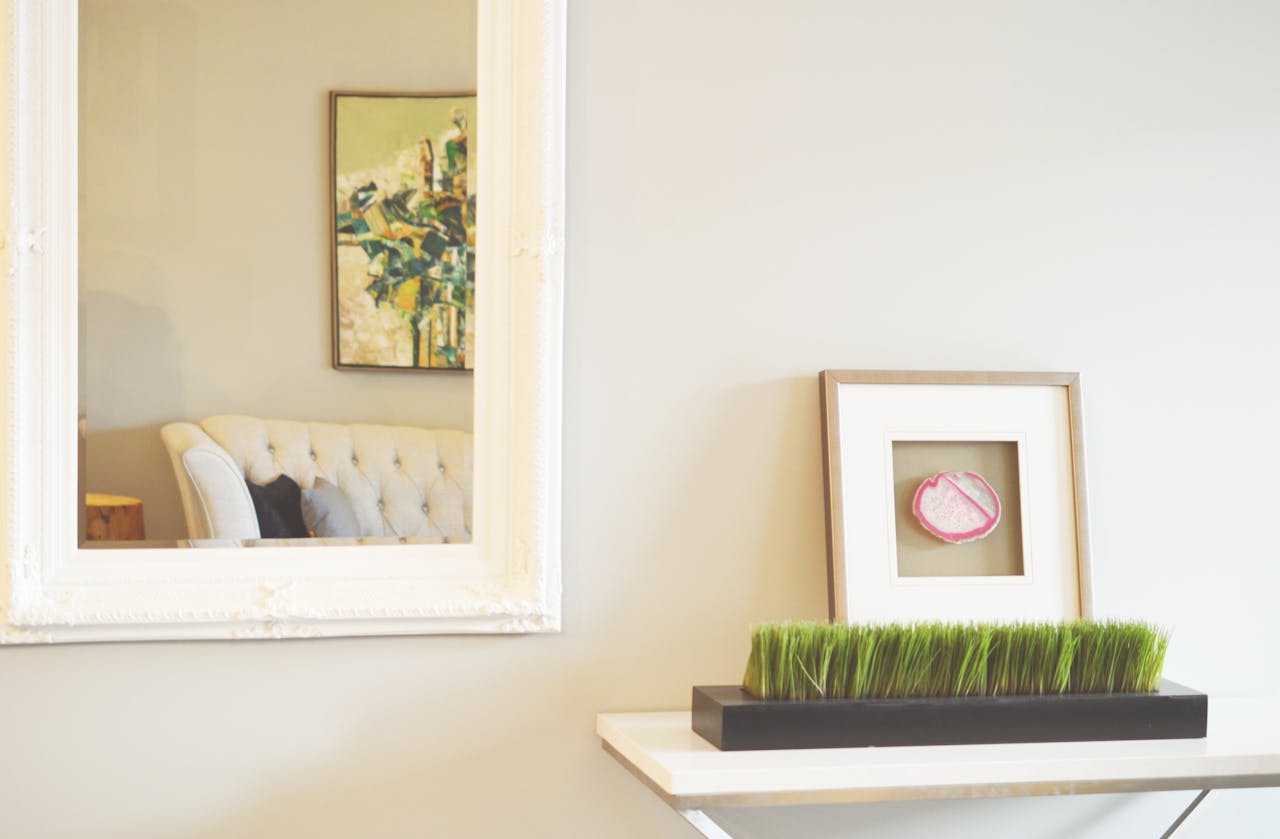
The placement of a mirror affects both its functionality and its decorative value. Hanging a mirror across from a window allows it to reflect natural light, brightening the space and creating a more open feel. In entryways, a mirror placed near the door is practical for last-minute checks and helps make the area more inviting for guests.
Choosing the right height is equally important. A mirror placed too high or too low may feel out of balance with the rest of the room. Positioning it above furniture, like a console table or sofa, can create a cohesive look.
In dining rooms or living areas, mirrors that reflect artwork or other focal points add visual interest. Thoughtful placement makes a mirror both useful and a seamless part of the decor.
Match the Mirror to Your Interior Design Style
Choosing a mirror that complements your interior design style helps create a polished look. A minimalist space benefits from mirrors with clean lines, frameless designs, or subtle frames in neutral tones. Traditional interiors often pair well with ornate or antique-style mirrors that bring a sense of timeless elegance.
Modern and industrial spaces lean toward geometric shapes or metal frames in black or silver. For bohemian or eclectic rooms, mirrors with textured frames, unique shapes, or vibrant colors add personality and warmth.
Aligning the mirror’s design with the overall theme of the room creates harmony while allowing it to stand out as a purposeful part of the decor.
Tips for Maintaining Mirrors
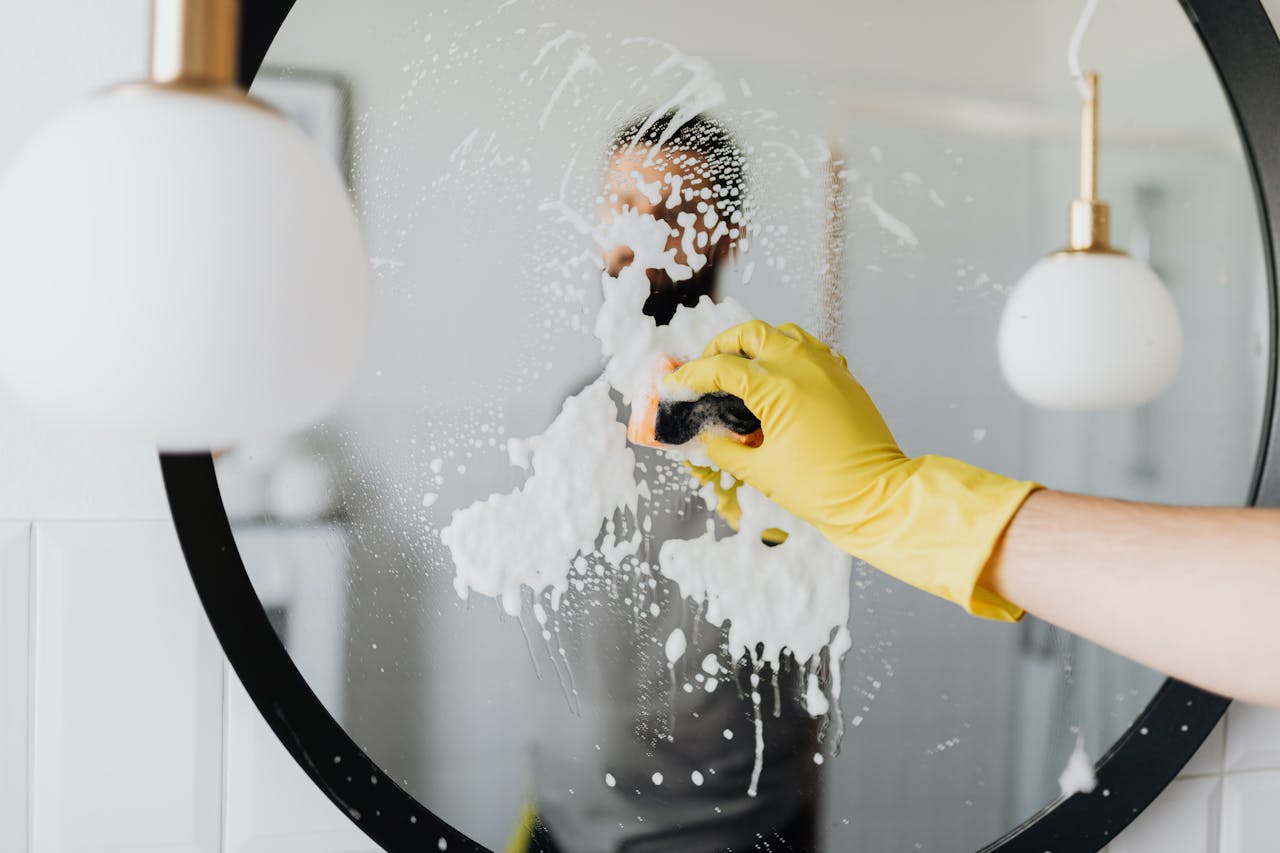
Once you have bought a mirror for a room or area of your home, you may need to know how to maintain it properly so that it will last longer and serve its function better. Check out these tips for cleaning and maintaining mirrors:
- Clean regularly with a soft cloth and glass cleaner. Use a lint-free cloth to avoid streaks and scratches, and wipe in circular motions for an even shine.
- Avoid using abrasive cleaners or tools. Harsh chemicals and rough materials can scratch the surface or damage the edges.
- Keep mirrors away from direct sunlight. Prolonged exposure to sunlight may cause fading or discoloration over time.
- Protect the frame when cleaning. If the mirror has a frame, use a damp cloth to clean it and avoid letting cleaning solutions drip onto it.
- Check placement to avoid moisture. In bathrooms, make sure mirrors are well-ventilated to prevent condensation buildup that could lead to damage.
Conclusion
Finding the right mirror for your home decor is about balancing style, function, and placement. With the wide variety of options available, there is a mirror to suit every space and design preference. Taking time to consider size, shape, frame, and purpose helps narrow the choices in what mirrors to get.