How to Choose the Perfect Glass for Your Windows
The type of glass you choose for your windows affects not only the view but also how energy-efficient, secure, and comfortable your home will be. With advancements in technology, there are now options designed to reduce noise, regulate temperature, and improve safety.
If you want to know more about picking the perfect window glass, we are here to provide a guide on buying the suitable ones for your home.
Understand Your Needs
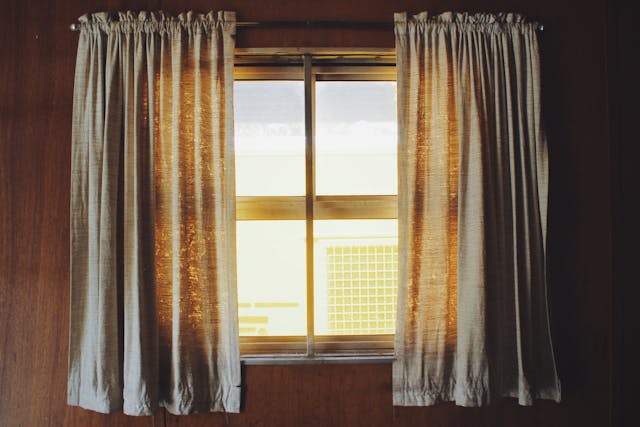
Understanding what you need from your windows is the first step in choosing the right glass. Think about how the windows will be used in your home. Are you looking for more natural light, better insulation, or improved noise reduction? The purpose of the windows will guide your decision.
Consider the environment around your home. Homes in busy neighborhoods may benefit from soundproof or laminated glass to reduce noise. In colder climates, double or triple-pane glass helps keep indoor temperatures comfortable. If safety is a concern, tempered or laminated glass provides added durability.
Taking time to assess these factors will help you identify the features that matter most. This approach keeps the focus on functionality while aligning with your preferences.
Types of Glass Available
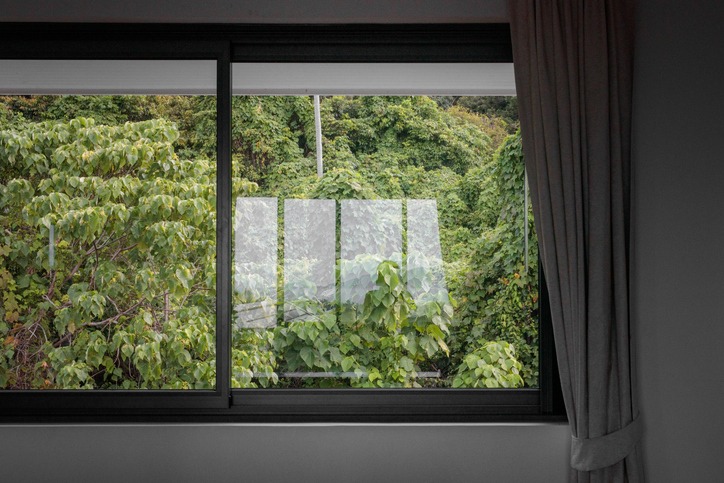
There are many types of glass to choose from, and each of them offers unique benefits. Knowing what each type offers will help you make a decision that suits your needs and preferences.
Single-Pane Glass
Single-pane glass is the most basic option and is commonly found in older homes. It consists of just one layer of glass, making it lightweight and affordable. However, it offers little insulation, which can lead to heat loss in winter and increased cooling costs in summer.
This type is best suited for regions with mild climates or for spaces like sheds and garages where energy efficiency is less of a concern. While it may be a cost-effective choice upfront, it lacks the modern features of other glass types.
Double-Pane and Triple-Pane Glass
Double-pane glass consists of two layers of glass with a space between them, often filled with insulating gas like argon. Triple-pane glass adds an extra layer, further boosting insulation. These options help reduce energy costs by maintaining indoor temperatures and minimizing heat transfer.
They also provide better noise reduction compared to single-pane glass. While they come with a higher price tag, their energy-saving properties make them a popular choice for homeowners looking to cut long-term expenses.
Low-E (Low-Emissivity) Glass
Low-E glass is coated with a thin layer of material that reflects heat while allowing light to pass through. This helps keep your home cooler in the summer and warmer in the winter, making it ideal for energy-conscious homeowners.
The coating also blocks harmful UV rays, protecting your furniture and flooring from fading. Low-E glass works well in climates with extreme temperatures and is a smart option for those prioritizing energy efficiency and comfort.
Tempered Glass
Tempered glass is heat-treated to make it stronger than standard glass. When it breaks, it shatters into small, rounded pieces rather than sharp shards, making it a safer choice for homes with children or areas prone to accidents.
This glass is often used for patio doors, bathroom windows, and other high-traffic areas. Its durability and safety features make it a reliable option for both residential and commercial settings.
Laminated Glass
Laminated glass is made by bonding two layers of glass with a plastic interlayer. This construction holds the glass together even when broken, enhancing safety and security. It also offers soundproofing benefits, making it ideal for homes near busy streets or noisy areas.
In addition to its safety and noise reduction features, laminated glass blocks UV rays, protecting your interiors. This versatile option is often used for skylights, windows in storm-prone regions, and spaces where added security is important.
Energy Efficiency Considerations
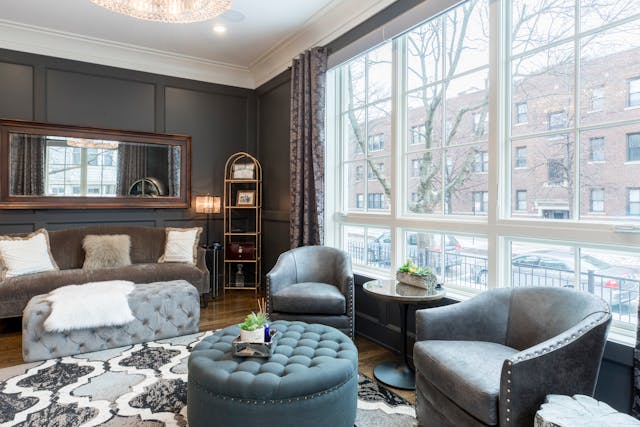
The type of glass you choose for your windows can have a role in your home’s energy efficiency. Well-insulated windows help regulate indoor temperatures, reducing the need for heating or cooling and lowering energy bills. To find the most energy-efficient option, look at key features like the U-value and Solar Heat Gain Coefficient (SHGC). A lower U-value means better insulation, while a lower SHGC reduces heat gain from sunlight.
Gas-filled panes are another feature to consider. Double or triple-pane windows often have spaces filled with argon or krypton gas, which improves insulation. Low-E coatings are also popular for their ability to reflect heat while allowing natural light inside. These features are especially useful in extreme climates, where keeping indoor temperatures stable is a priority.
Budget and Longevity
Choosing the right glass for your windows also involves balancing upfront costs with long-term value. Some options, like single-pane glass, are more affordable but may lead to higher energy bills over time. On the other hand, investing in double-pane or Low-E glass often comes with a higher initial cost but provides savings through better insulation and lower maintenance.
Durability is another factor to keep in mind. Glass types like tempered or laminated glass are designed to last longer and resist damage, which can save you money on repairs or replacements. Spending a little more on high-quality materials can mean fewer issues in the future.
Professional Advice and Installation
Getting advice from a professional can help you make the best choice for your windows. Experts understand the options available and how each type of glass performs in different settings. They can guide you through factors like insulation, safety, and aesthetics to find a solution that fits your home and needs.
Proper installation is just as important as choosing the right glass. Even the best materials won’t perform well if they aren’t installed correctly. Professionals have the tools and experience to handle the job while ensuring a tight fit and maximum efficiency.
Conclusion
Choosing the perfect glass for your windows is about understanding your needs and the options available. By considering factors like climate, budget, and functionality, you can make a decision that complements your home and lifestyle. With the right glass in place, your windows will not only look great but also provide the comfort and performance your home deserves.