How to Choose the Perfect Dining Table Height
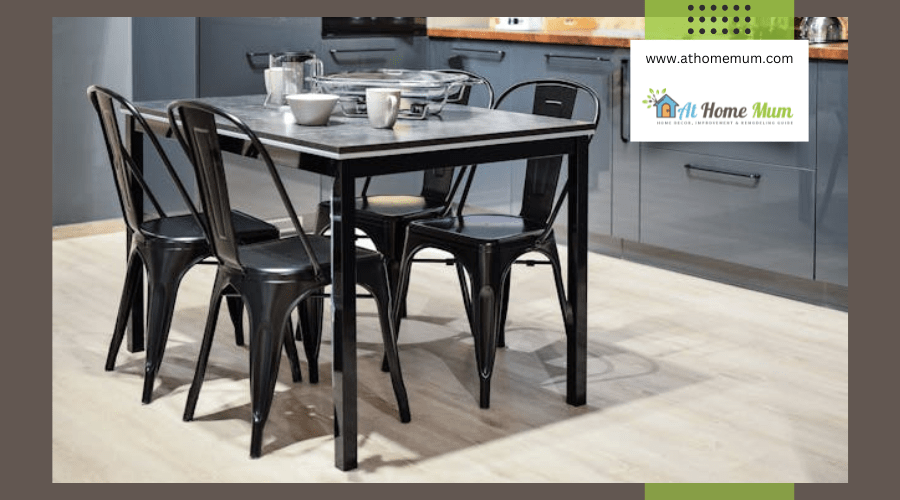
Choosing the right dining table height might seem like a small decision, but it is important in creating a comfortable and functional dining space. The right height isn’t just about aesthetics, as it also affects how you sit, eat, and interact with others at the table.
A poorly chosen height can lead to awkward seating arrangements or an uncomfortable dining experience. This guide will help you understand what to look for and how to pick the best option for your home.
Standard Dining Table Heights
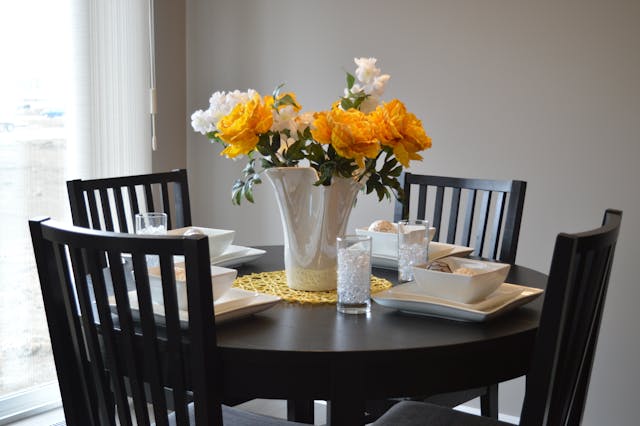
When choosing a dining table, understanding standard heights is a helpful starting point. Most traditional dining tables are around 28 to 30 inches tall. This height works well with standard dining chairs, providing enough space for legs while allowing for a comfortable eating position.
For more casual or modern spaces, counter-height tables are an alternative. These tables stand at about 34 to 36 inches tall and are often paired with stools or taller chairs. They are popular in kitchens and smaller dining areas where a relaxed and informal feel is preferred.
Bar-height tables are the tallest option, ranging from 40 to 42 inches. They are designed for bar stools and create a standing-friendly setup often used in entertainment spaces or breakfast nooks.
Each of these heights serves different needs, so it’s important to think about how the table will be used and who will be using it.
Factors to Consider When Choosing a Dining Table Height
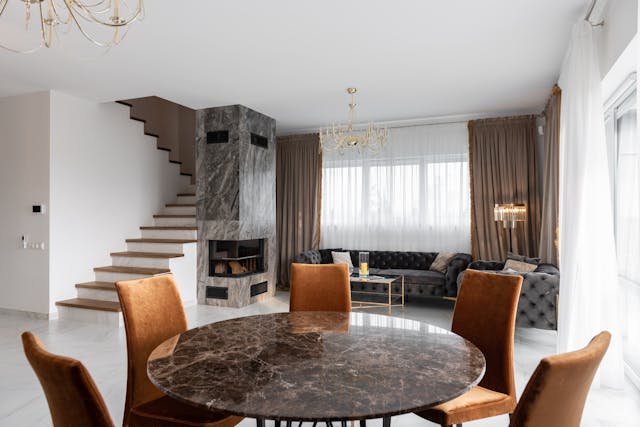
Choosing the right dining table height involves picking what looks good while also thinking about balancing comfort, functionality, and design to match your lifestyle and space. Check out these factors to keep in mind when making your decision.
Ergonomics and Comfort
Comfort should always be a priority. A standard guideline is to leave about 10 to 12 inches between the seat of the chair and the bottom of the table. This allows enough room for your legs without feeling cramped or stretched. For taller or shorter individuals, this range might need slight adjustments to create the most comfortable experience.
The shape and size of the chairs also matter. Dining chairs with thick cushions or unusual seat heights can affect how well they fit with a table. Testing the combination of chairs and table heights can save you from awkward seating arrangements later.
Chair Compatibility
The height of the chairs must match the height of the table for a balanced look and feel. Standard dining chairs usually pair well with tables that are 28 to 30 inches tall. Counter-height tables require chairs or stools that are around 24 to 26 inches tall, while bar-height tables need stools that are 28 to 30 inches tall.
Measuring the seat height of your chairs before purchasing a table is a simple way to avoid mismatched furniture. If you already own chairs, choose a table that complements their height. For those buying new furniture, consider purchasing a set that comes with both the table and chairs to guarantee compatibility.
Room Size and Layout
The size of your dining area can influence the height of the table you choose. Standard-height tables are versatile and fit well in most spaces, but counter-height tables might work better in smaller rooms because they can double as prep surfaces or casual dining spots. Bar-height tables can add an open and airy feel to larger spaces.
Think about the proportions of your room when selecting a table. Taller tables can make a space feel less crowded by drawing the eye upward, but in rooms with low ceilings, they may seem out of place. Balance the height of the table with the overall dimensions of the space.
Intended Use
How you plan to use the table also plays a role. For formal dining, a standard-height table provides the best option for comfortable, extended seating. Counter-height tables are more versatile and work well for informal dining, family meals, or even as a workspace. Bar-height tables are ideal for entertaining or as an accent piece in a recreational area.
Consider who will be using the table most often. Families with young children or older adults may find standard-height tables easier to use. On the other hand, taller tables can create a more casual atmosphere for gatherings or multi-purpose use.
Style and Aesthetic Preferences
The height of a dining table can affect the overall design of a room. Standard-height tables offer a classic and timeless appearance, while counter-height and bar-height tables bring a more modern or casual look. The height you choose should complement the rest of your furniture and align with the theme of your home.
Think about the visual flow of your dining area. A taller table might feel out of place in a room with predominantly low-profile furniture. Similarly, a standard-height table might not make the statement you want in a more contemporary setting.
Measuring and Testing Before Buying
Taking the time to measure and test before buying a dining table helps you avoid common mistakes. Start by measuring the space where the table will go. Leave at least 36 inches between the table and walls or other furniture to allow for easy movement. For tighter spaces, consider how the table’s shape—round, square, or rectangular—might fit better.
It’s also important to measure the height of your existing chairs if you plan to use them. Standard dining chairs are usually around 18 inches from the floor to the seat, which pairs well with a table height of 28 to 30 inches. If the chairs have a thicker cushion or unique design, this can affect the fit, so make sure to account for that when measuring.
When possible, test the table and chairs together before purchasing. Sit at the table to check for legroom and comfort. If you’re shopping online, look for detailed dimensions and compare them to your measurements at home.
Common Mistakes to Avoid
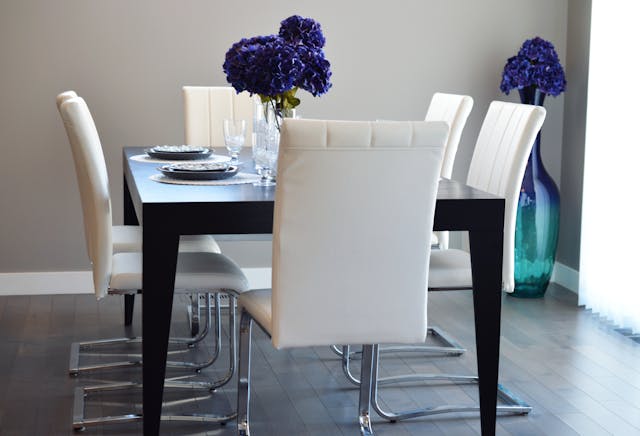
Choosing a dining table height is easier when you know what pitfalls to watch out for. These common mistakes often lead to discomfort or a mismatched look. Avoiding them will help you create a dining space that feels right for your needs.
- Ignoring Chair Height: A common error is selecting a table without considering the height of your chairs. If the seat is too high or too low in relation to the table, it can make sitting uncomfortable. Always measure your chairs or look for sets designed to match.
- Overlooking Room Proportions: Placing a tall table in a small room or a low table in a spacious area can throw off the balance of the space. Consider how the table will fit with the size and scale of the room, leaving enough space for movement.
- Choosing Style Over Functionality: A stylish table might look great, but if it’s too tall, too short, or awkward to use, it will become frustrating over time. Make sure the table fits your lifestyle and is practical for its intended purpose.
- Forgetting to Measure Clearance: Skipping measurements for legroom or chair clearance can lead to uncomfortable seating arrangements. Check for at least 10 to 12 inches between the chair seat and the bottom of the table.
- Not Testing Before Buying: Buying a table without sitting at it to check comfort and functionality is another common mistake. If testing in person isn’t possible, rely on detailed measurements and reviews to make an informed decision.
Conclusion
Finding the right dining table height is about combining comfort, functionality, and style. By understanding standard heights, considering factors like chair compatibility and room size, and avoiding common mistakes, you’ll make a choice that works well for your space and needs.