How Front Doors Can Improve Your Home’s Security
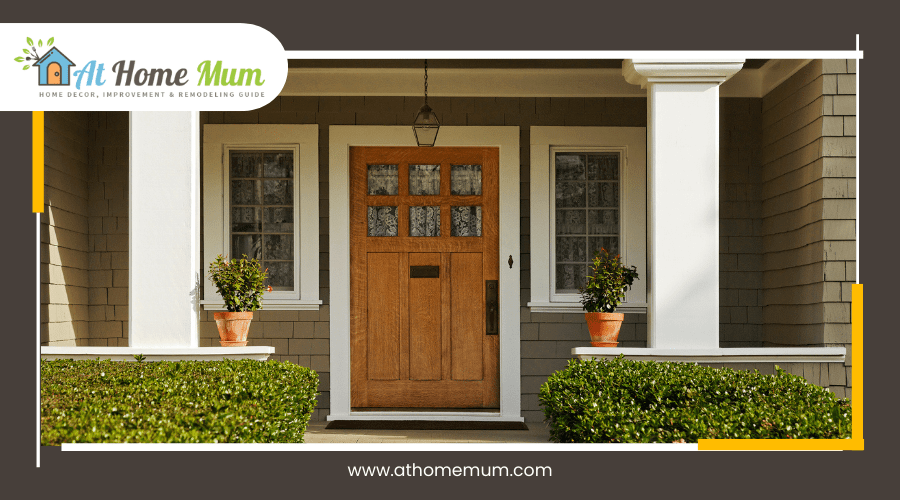
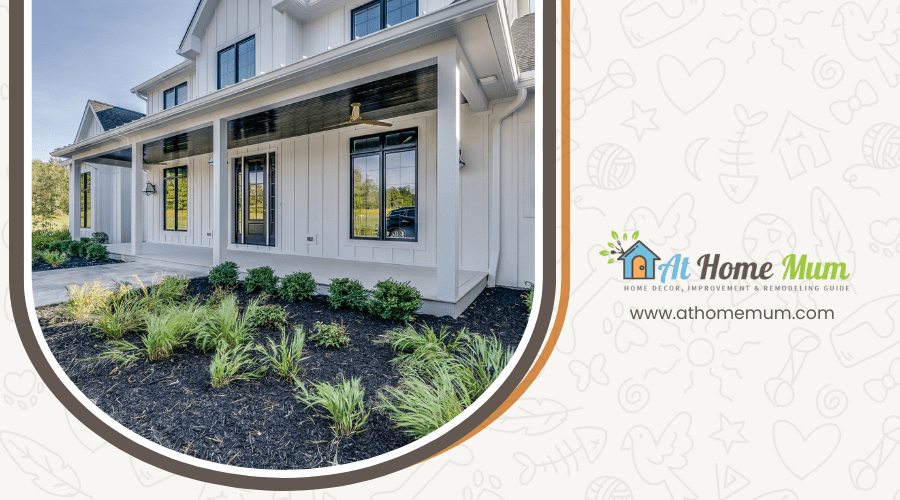
The front door is one of the first things that visitors see when they look at your house. So, a lot of homeowners focus on installing beautiful front doors to make the exterior of their homes more aesthetically pleasing.
However, front doors aren’t just used for aesthetic purposes, as they are essential in providing safety or security for your home and your family. The front door you should install should not just be beautiful but also strong and durable. Here is a guide to how front doors can improve your home’s safety.
The Role of the Front Door in Home Security
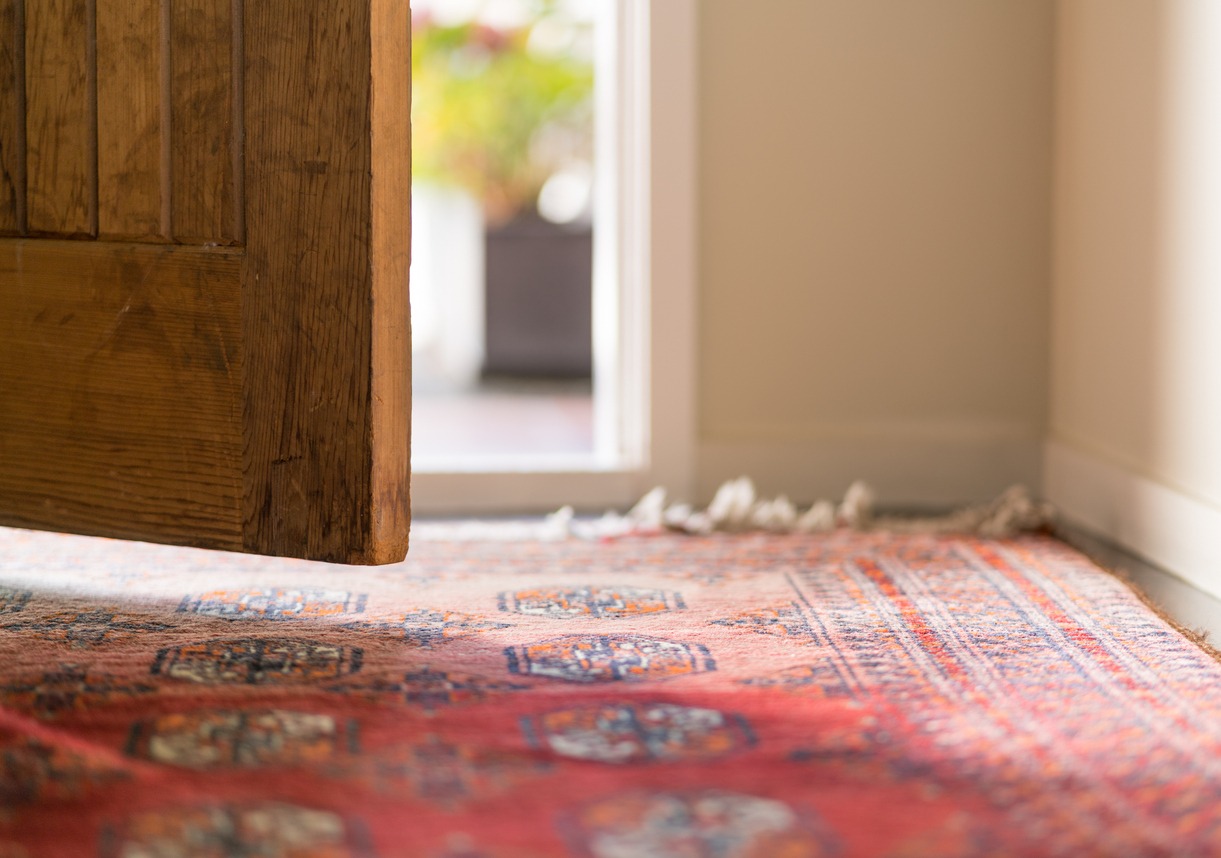
The front door acts as a barrier between your home and the outside world. A strong and secure front door helps keep your family safe and protects your belongings. Here are the factors that highlight its importance in home security:
- Primary Entry Point: Most burglars target the front door because it’s the easiest and most direct access to a home.
- First Visual Deterrent: A sturdy, well-maintained front door sends a message that security is a priority.
- Physical Barrier: A properly installed door made from durable materials resists forced entry attempts.
- Access Control: Strong locks, deadbolts, and smart locking systems reinforce security by limiting unauthorized entry.
- Privacy Protector: Solid front doors block outside views and keep your home's interior hidden from passersby.
- Weather Shield: In addition to security, a well-built front door also protects against harsh weather conditions and reduces damage to your home’s entry point.
The Common Features of a Secure Front Door
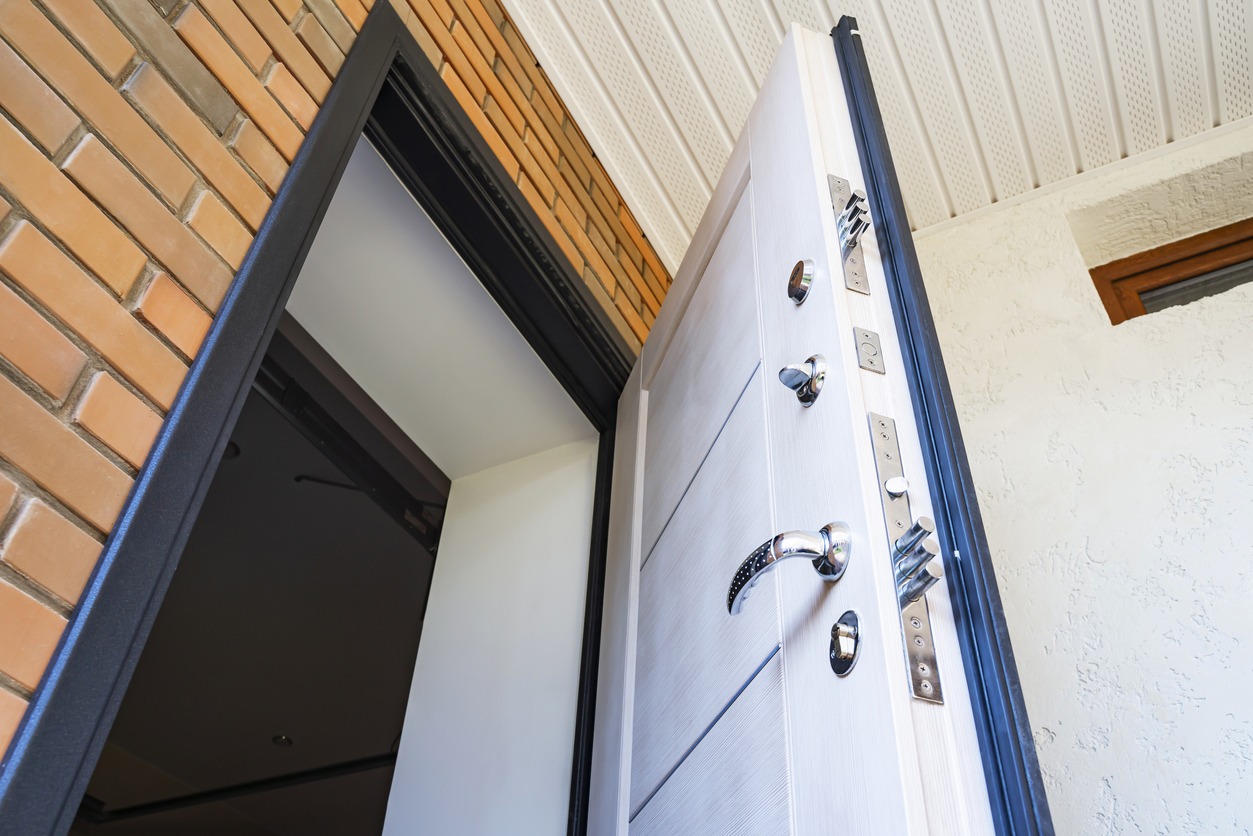
There are ways for people to find secure front doors for their homes, and some of these ways include looking for common features that are present in almost all of these strong and durable doors. Here is a list of those common features.
Durable Door Material
The material of a front door determines its strength and ability to withstand forced entry. Solid wood doors are heavy and resistant to impacts, while steel doors provide even greater durability at a lower cost. Fiberglass doors are another good option as they are tough, weather-resistant, and less prone to warping or denting.
Choosing the right material depends on your home’s security needs and climate. Steel is highly secure but may need rust protection. Fiberglass requires less maintenance and offers design flexibility.
Strong Door Frame and Reinforcements
A front door is only as strong as its frame. A weak or poorly installed frame makes even the toughest door vulnerable to break-ins. Reinforced steel or hardwood frames offer better security by resisting kicks and forced entry attempts.
Installing a metal strike plate where the lock meets the frame adds another layer of protection. Some homeowners also choose security bars or reinforced jambs for extra strength. A secure frame supports the door and keeps it firmly in place during an attempted break-in.
High-Quality Locks and Deadbolts
Locks are one of the most critical parts of front door security. A sturdy deadbolt lock with a one-inch throw is recommended for residential doors. Grade 1 or 2 deadbolts provide the highest level of security for homes.
Smart locks are becoming popular due to their convenience and advanced features. They allow remote access, keyless entry, and real-time notifications. Combining a strong mechanical lock with a modern smart lock system can improve both security and convenience.
Secure Door Hardware and Hinges
Door hinges and hardware play a key role in maintaining front door security. Hinges should be on the inside to prevent them from being removed by intruders. Long screws should be used during installation to anchor the hinges securely into the frame.
Heavy-duty handles and knobs also add to the door's overall strength. Consider upgrading to reinforced hardware if your current setup looks weak or outdated.
Impact-Resistant Glass Panels
Glass panels in front doors add style but can also create a security risk. Burglars often break glass to unlock doors from the inside. Choosing impact-resistant glass, such as laminated or tempered glass, reduces this risk.
Adding a security film or installing decorative metal grilles over glass sections further strengthens the door. These features allow natural light into your home while keeping intruders out.
Additional Security Enhancements
A strong front door is essential, but adding extra security features provides even greater protection. These enhancements create additional barriers that make it harder for intruders to access your home. Here are some useful upgrades to consider.
Security Screens and Storm Doors
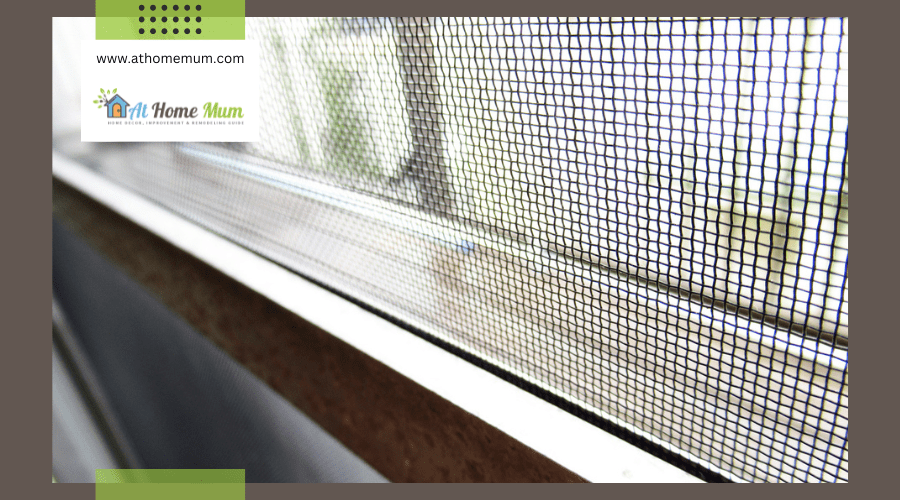
A security screen or storm door adds an extra layer of protection in front of your main door. These doors are made from strong materials like steel or aluminum and feature tamper-proof locks. They provide ventilation and visibility while keeping unwanted visitors out.
Security screens are especially helpful in warmer climates where leaving the main door open might be tempting. They allow airflow while maintaining security. Storm doors also protect against harsh weather, which adds durability and extends the life of your front door.
Reinforced Strike Plates and Door Jambs
Reinforced strike plates strengthen the area where the lock meets the door frame. Standard strike plates are often weak and easy to break with force. Upgrading to a heavy-duty strike plate secured with long screws makes the door more resistant to kicks and forced entry.
Door jamb reinforcement kits are another useful addition. These kits include metal plates and brackets that reinforce the entire door frame. Installing both a reinforced strike plate and a door jamb kit creates a much tougher entry point.
Smart Doorbells and Security Cameras
Smart doorbells and security cameras allow homeowners to monitor their front doors remotely. Smart doorbells feature built-in cameras that provide live video feeds and two-way communication. This setup lets you see and speak to visitors, even when you're not home.
Security cameras placed near the front door provide constant surveillance. Many models come with motion detection and cloud storage that offer extra peace of mind.
Motion-Activated Lighting
Outdoor lighting is an effective way to increase security around your home. Motion-activated lights turn on when someone approaches the front door, catching intruders off guard. These lights are inexpensive and easy to install.
Bright lights reduce dark hiding spots around your entrance. Many models also allow adjustments to sensitivity and coverage areas. Well-lit entryways make your home less appealing to burglars who prefer to work unnoticed.
Door Security Bars and Braces
Door security bars and braces provide strong physical barriers against forced entry. These devices fit across the inside of the door and prevent it from being pushed open, even if the lock is broken.
Security bars are adjustable and easy to remove when not in use. They are particularly useful for homes in high-crime areas or during extended absences.
Front Door Maintenance Tips for Long-Term Security
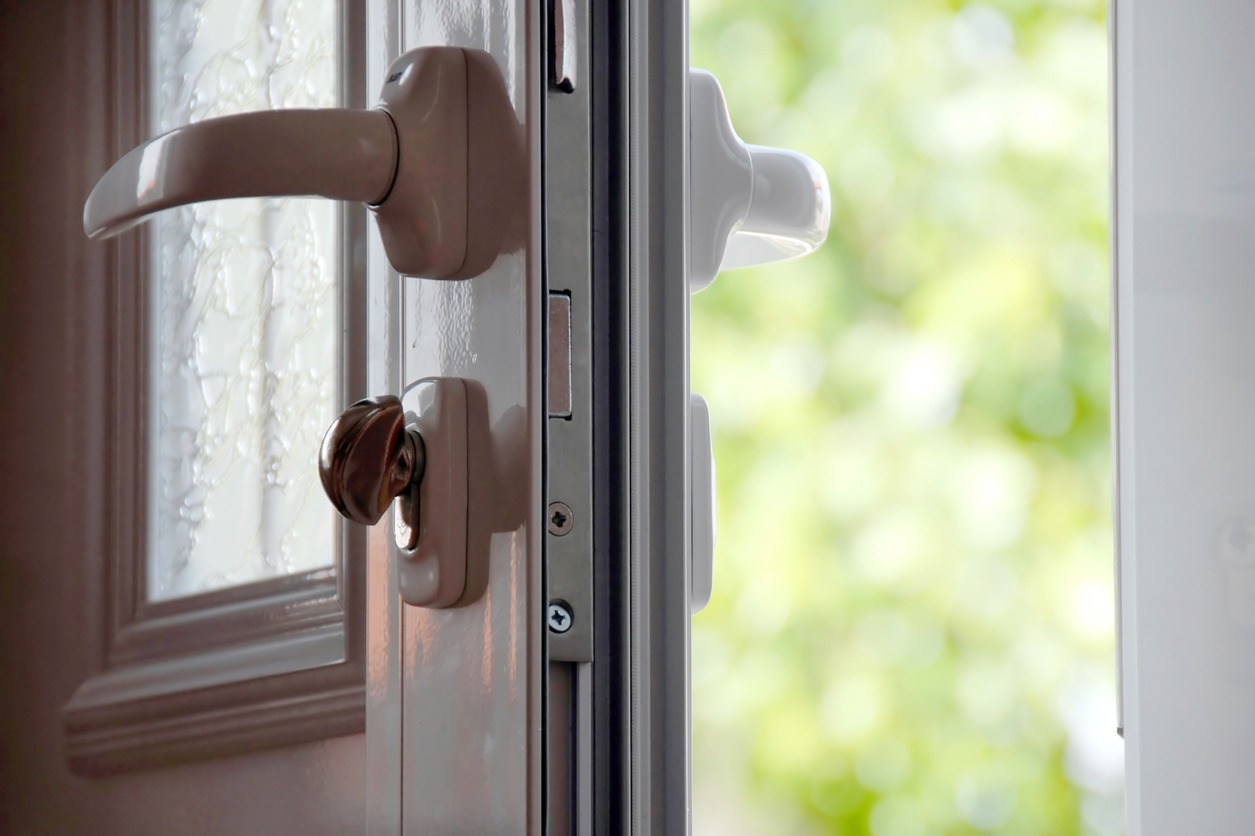
Keeping your front door in good condition is essential for home security. Regular maintenance helps prevent wear and tear that could weaken its protective features. Below are the practical tips to keep your front door strong and secure:
- Inspect the Door Regularly: Check for signs of damage such as cracks, warping, or rust. A damaged door is easier to break into and should be repaired or replaced as needed.
- Tighten Hinges and Screws: Over time, hinges and screws can loosen due to constant use. Tighten them periodically to keep the door securely in place and reduce gaps.
- Lubricate Locks and Hinges: Apply a silicone-based lubricant to locks and hinges to keep them functioning smoothly. This prevents sticking or jamming that could compromise security.
- Repaint or Refinish the Door: If the paint is peeling or the finish is fading, apply a fresh coat to protect the door from weather damage. This also helps prevent rust or wood decay.
- Replace Worn Weatherstripping: Old weatherstripping can cause gaps around the door, allowing drafts and reducing energy efficiency. Replace it to maintain a tight seal and keep the door properly aligned.
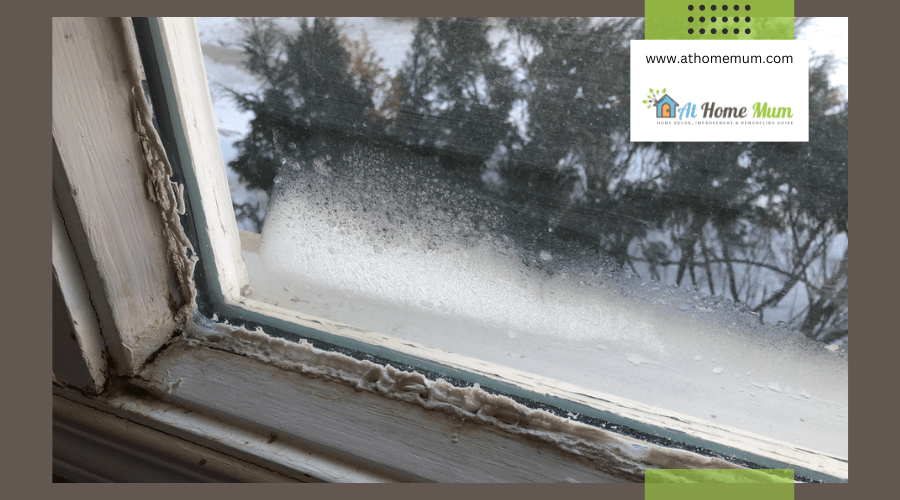
- Check the Door Frame and Threshold: Look for cracks or signs of rot in the door frame and threshold. Replace damaged sections to maintain structural integrity and prevent forced entry.
- Test Locks and Deadbolts: Turn the locks and deadbolts to check if they operate smoothly. If they stick or feel loose, consider upgrading to newer, more secure models.
- Clean Glass Panels: If your door has glass panels, clean them regularly to keep visibility clear. Check for cracks or chips that could weaken the glass and replace damaged panes.
Conclusion
A strong, well-maintained front door is one of the most effective ways to keep your home secure. A well-protected entryway not only boosts security but also adds value and style to your home. Taking these measures creates a safer and more comfortable living environment.