Guide to Choosing Upholstered Furniture for the Living Room
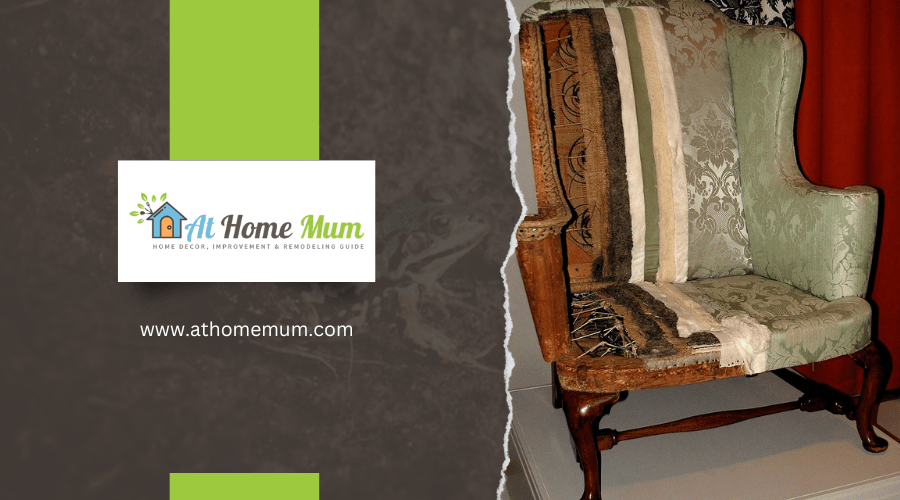
Benjamin D. Esham / Wikimedia Commons, New England easy chair, CC BY-SA 4.0
Finding the right upholstered furniture can completely transform a living room, making it feel inviting, stylish, and comfortable. With countless options available, picking the perfect sofa, armchair, or sectional can be overwhelming. The key is balancing aesthetics with durability while ensuring that the furniture suits both your lifestyle and the demands of everyday use.
Understanding Living Room Dynamics
Every living room serves as the heart of a home, where family and friends come together to relax, socialize, and entertain. When choosing upholstered furniture for this central space, you'll need to ponder how your living room is used and the overall dynamics of the area. The furniture arrangement plays a pivotal role in determining the room's functionality and flow, so it's indispensable to plan your layout carefully.
Consider the high-traffic areas in your living room when selecting upholstery fabrics. These zones require sturdy fabrics that can withstand frequent use and resist stains. If you have a formal living room, you might opt for more delicate and refined upholstery choices. However, for family-friendly spaces, prioritize practicality and easy maintenance. Measure the space to ensure the furniture can fit through doorways and accommodate the desired traffic flow.
Your personal style should also guide your upholstery decisions. The fabrics you choose will noticeably impact the room's aesthetic appeal, so select options that reflect your taste and complement your existing decor.
View this post on Instagram
When selecting upholstered furniture for your living room, you'll need to carefully evaluate the fabric options available. Each upholstery fabric has unique characteristics that can affect your furniture's durability, appearance, and maintenance requirements. Consider these popular upholstery fabric options: When choosing your upholstery fabric, prioritize durability and stain resistance, especially if you have children or pets. Microfiber upholstery is an excellent option for families, as it's easy to clean and resists water and stains. If you're looking for a fabric that can withstand heavy use, consider blends that incorporate nylon, which adds strength and resilience to the material. Remember that each fabric has its pros and cons, so weigh your options carefully to find the best fit for your lifestyle and living room needs. After considering fabric options, it's time to focus on the seating styles that will best suit your living room. When choosing upholstery for your furniture, you'll find a wide range of sofa styles to investigate, including Bridgewater, camelback, Chesterfield, club, Knole, Lawson, midcentury modern, slipper, and tuxedo. Each offers unique comfort and aesthetic features to complement your living room's design. Reclining sectional sofas can also be a versatile seating solution with adjustable features for personalized comfort. Don't forget to ponder occasional chairs to provide additional seating. Armchairs, barrel-back, club, slipper, and wing styles can add both comfort and visual interest to your space. When selecting chairs, think about factors like stain resistance and durability, especially if you have pets. For versatile seating and surface options, look into ottomans, benches, and stools. These pieces can offer storage capabilities and portability, making them practical additions to your living room. Coordinating colors and patterns is essential for creating a cohesive and visually appealing living room design. When choosing upholstery for your furniture pieces, guarantee how they'll work together and with your existing decor. Start by selecting a dominant color for your main upholstered pieces, then complement it with accent colors in smaller items or throw pillows. To add visual interest and depth to your living room, mix and match different fabric types: When choosing upholstery, vary the scale of patterns to create depth and avoid a monotonous look. For example, pair a large floral print on a sofa with smaller geometric patterns on nearby chairs. As you choose a fabric for each piece of furniture, ensure it harmonizes with the others. Don't be afraid to combine different textures and patterns, but maintain a cohesive look by sticking to a consistent color palette. By carefully coordinating colors and patterns, you'll create a stylish and inviting living room that reflects your personal taste. Start with a convertible sofa bed, which serves as both seating and a guest sleeping area. This versatile piece of furniture is essential for compact living rooms. Next, consider ottomans and benches with hidden storage compartments. These provide extra seating and surface areas while concealing clutter. Nesting tables offer flexibility, allowing you to rearrange your space as needed. Swivel chairs and stools add adaptability to your seating arrangement, perfect for facilitating conversation or accommodating various activities. For a truly customizable solution, opt for modular sectional sofas that can be reconfigured to suit changing needs and room layouts. Balancing aesthetics and durability is a critical consideration when choosing upholstered furniture for your living room. When selecting furniture, you'll want pieces that not only look great but can also withstand daily use. Here's how to strike that perfect balance: Arranging upholstered furniture for essential flow is indispensable to creating a functional and welcoming living room. When selecting the perfect pieces, keep in mind that you'll want to avoid pushing them against the walls. Instead, focus on preserving open floor space to promote better circulation throughout the room. Start by identifying the focal point of your living room, such as a fireplace or large window, and arrange your furniture around it. This approach will help you create a balanced and cohesive layout. Make sure to include movable seating options like swivel chairs, stools, and benches to add versatility to your arrangement. These pieces allow for easy rearrangement when entertaining or accommodating different activities. To ground your furniture arrangement and define the seating area, use a decent-sized area rug. This will help tie the various elements together visually. Don't forget to incorporate portable surfaces like ottomans, coffee tables, and side tables throughout the space. These furniture pieces enhance functionality and provide convenient spots for drinks, books, or decorative items. Selecting the right upholstered furniture for a living room requires a balance of style, durability, comfort, and functionality. Paying attention to fabric choices, cushion filling, frame construction, and lifestyle needs helps narrow down the best options. While price plays a role, investing in a high-quality piece ensures longevity and satisfaction.Evaluating Upholstery Fabric Options
Selecting Comfortable Seating Styles
Coordinating Colors and Patterns
Maximizing Space With Multi-Functional Pieces
Balancing Aesthetics and Durability
Arranging for Optimal Flow
Wrapping Up