Guide to Choosing Energy-Efficient Windows for Your Home

Energy-efficient windows are the best option for your home if you want to save on electric bills. These windows have special properties that allow them to maintain the temperature indoors regardless of whether it is cold or hot outside.
With so many styles and features available for energy-efficient windows, it may be hard for you to find exactly what your home needs. Fortunately, we can provide you with several tips on how to find the best and most appropriate energy-efficient windows. So, here is a guide to choosing energy-efficient windows for your home.
Explaining Energy Efficiency for Windows

Energy efficiency in windows refers to how well a window prevents heat from escaping or entering a home. This quality depends on several factors, including the materials used, the type of glass, and the window’s overall design. Modern energy-efficient windows are built to reduce energy loss, helping homeowners maintain comfortable indoor temperatures throughout the year.
The most common features that improve energy efficiency include double or triple-pane glass, low-emissivity (Low-E) coatings, and insulated window frames. Double-pane windows have two layers of glass with a space in between, often filled with gas, to reduce heat transfer. Low-E coatings reflect heat while allowing natural light to pass through.
How to Know if a Window is Energy-Efficient
Identifying energy-efficient windows involves checking specific features designed to reduce energy loss. Look for these key factors when evaluating window options:
- Energy Star Certification: Windows with this label meet energy efficiency standards set by the U.S. Environmental Protection Agency.
- U-Factor Rating: This measures how well a window prevents heat from escaping. Lower numbers indicate better insulation.
- Solar Heat Gain Coefficient (SHGC): This rating shows how much heat from sunlight passes through the window. A lower SHGC is ideal for warmer climates.
- Low-E Coating: This special coating reflects heat while allowing natural light inside, reducing the need for artificial lighting.
- Multiple Panes: Double or triple-pane windows provide better insulation by trapping air or gas between glass layers.
- Quality Frame Materials: Frames made from materials like vinyl, fiberglass, or wood composites offer good insulation and durability.
- Gas Fills: Argon or krypton gas between panes improves thermal performance by reducing heat transfer.
Tips for Finding the Best Energy-Efficient Windows
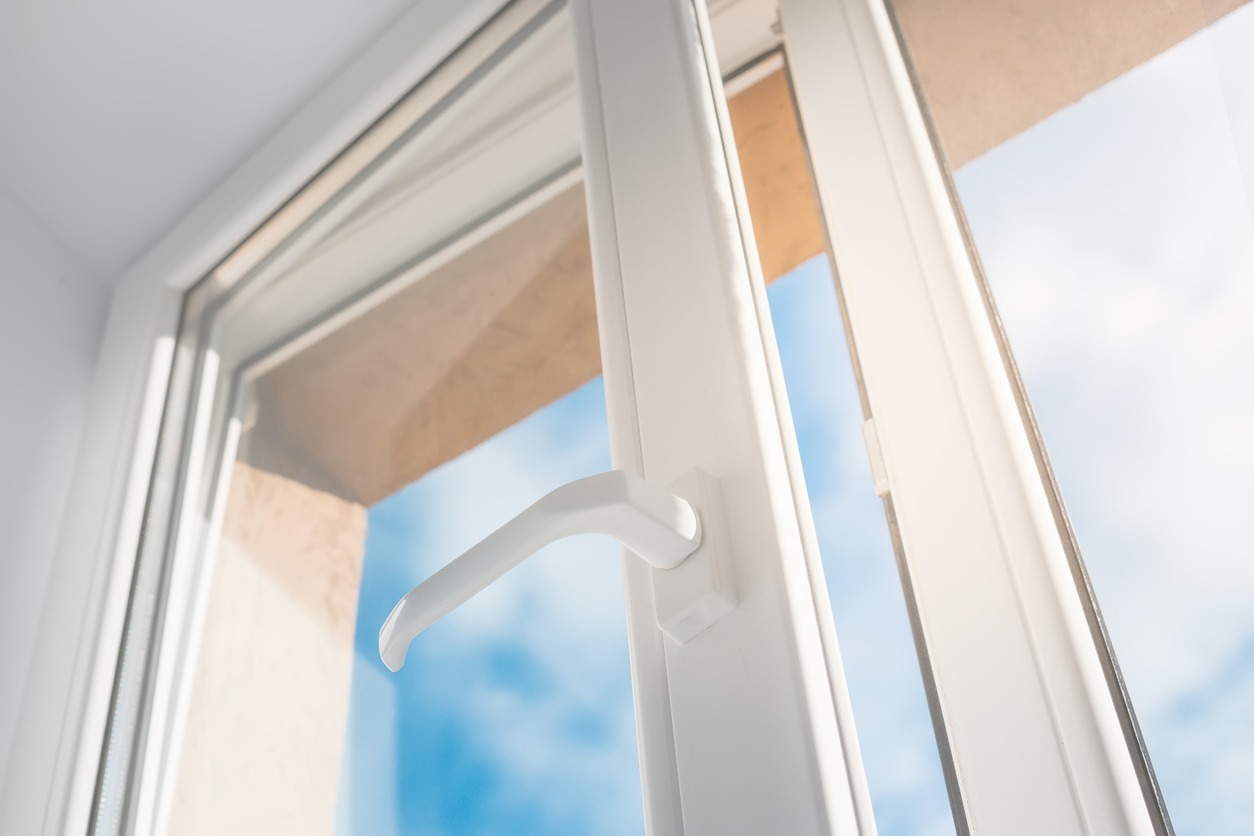
Finding the best energy-efficient windows requires understanding specific features and comparing different products. Consider these tips when shopping for windows that balance performance and style.
Look for the Energy Star Label
The Energy Star label is a reliable indicator of energy efficiency. Windows with this certification meet strict government standards for reducing energy use. They are also tested and rated for performance in various climate zones, making it easier to choose the right windows for your region.
Checking the Energy Star label saves time by narrowing down options to products proven to be energy-efficient. This certification also provides peace of mind since it is backed by independent testing and quality assurance.
Check Energy Performance Ratings
Energy performance ratings help measure how well a window insulates and blocks heat from the sun. The U-factor indicates how much heat escapes, while the Solar Heat Gain Coefficient (SHGC) shows how much solar heat the window lets in.
Look for windows with a low U-factor in colder climates to keep heat inside. In warmer areas, a lower SHGC helps reduce cooling costs by blocking unwanted heat. These ratings are clearly displayed on product labels.
Choose the Right Glass Type
The type of glass used affects how well a window performs. Double or triple-pane glass improves insulation by creating air or gas-filled layers between panes. Low-emissivity (Low-E) coatings add another layer of energy efficiency by reflecting heat while allowing natural light inside.
Selecting the right glass type depends on the climate and home orientation. Homes in sunny areas benefit from Low-E glass that reduces glare and heat buildup, while cold climates need well-insulated panes to keep indoor temperatures stable.
Consider Frame Materials
Window frames play a major role in energy efficiency. Vinyl, fiberglass, and wood composite frames offer good insulation and resist heat transfer. They also provide durability and require minimal maintenance.
Choose a frame material that fits both your energy efficiency goals and your home’s style. Well-made frames last longer and contribute to better overall performance, helping reduce energy costs over time.
Work with a Trusted Installer
Proper installation is essential for energy-efficient windows to perform as expected. Even the best windows will lose efficiency if gaps or misalignments allow air leaks.
Hire a professional installer with experience in energy-efficient products. A qualified installer follows manufacturer guidelines and ensures a proper fit, helping your windows deliver the best possible performance.
How to Maintain Energy-Efficient Windows
Proper maintenance keeps energy-efficient windows performing at their best. Regular care prevents air leaks, reduces energy waste, and extends the life of your windows. Follow these tips to maintain your windows effectively:
- Clean the Glass Regularly: Dust, dirt, and grime can reduce the effectiveness of Low-E coatings and block natural light. Use a soft cloth and a mild, non-abrasive cleaner to keep the glass clear and streak-free.
- Inspect Seals and Weatherstripping: Check the seals around the window frame for cracks or damage. Worn-out weatherstripping should be replaced to prevent drafts and maintain insulation.
- Check for Condensation Between Panes: Fog or condensation between glass panes may indicate a broken seal. Contact a professional to repair or replace the window if needed.
- Lubricate Hinges and Tracks: Moving parts like hinges and sliding tracks need occasional lubrication to operate smoothly. Use a silicone-based lubricant to avoid sticking or jamming.
- Repaint or Refinish Wooden Frames: Wooden frames may require repainting or refinishing to protect them from moisture and prevent warping. Use weather-resistant paint or stain for long-lasting protection.
- Keep Drainage Channels Clear: Some windows have built-in drainage channels to prevent water buildup. Clear these channels of debris to avoid leaks or water damage.
- Schedule Professional Inspections: Consider having a professional inspect your windows every few years. They can identify hidden issues and recommend repairs to maintain energy efficiency.
Conclusion
Choosing energy-efficient windows is a smart investment that improves comfort and lowers energy bills. Energy-efficient windows offer long-term savings while adding value and style to your home. By considering your climate, budget, and personal preferences, you can select windows that provide both functionality and visual appeal for your home.