Gardening the Texas Way: 5 Plants That Thrive in Lone Star Soil
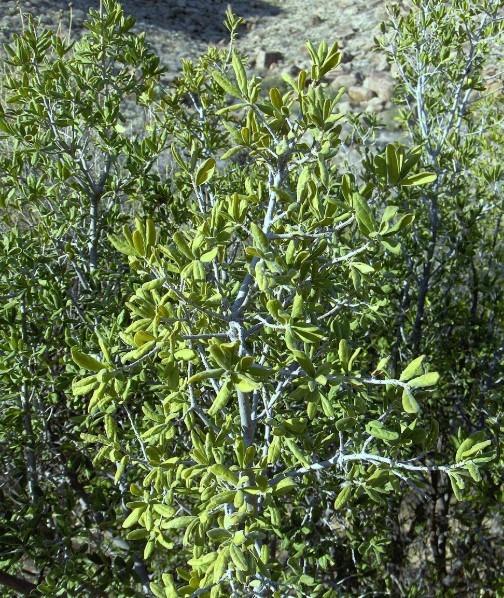
homeredwardprice, Diospyros texana, CC BY 2.0
Texas gardening success starts with soil-smart plant choices. You'll find Texas persimmon thrives with its peeling bark and drought tolerance, while Mexican plum offers fragrant spring flowers in limestone areas. Pomegranates adapt beautifully to alkaline conditions with minimal care.
Consider native options like buffalograss and Texas sage for low-maintenance landscapes. These five plants embrace Texas's challenging soil conditions while creating stunning, resilient gardens. Discover how these resilient plants transform your outdoor space.
Understanding Texas Soils: A Gardener's Quick Guide
While many states boast diverse landscapes, Texas stands in a league of its own with terrain spanning mountains, valleys, rolling plains, mesas, and coastal areas—each contributing to remarkably varied soil types. As a gardener, you'll encounter everything from Blackland Prairie Vertisols to sandy coastal soils.
Before planting, soil testing is essential to identify your specific conditions. You're likely working with either alkaline clay soils with potential caliche layers in Central and West Texas, or sandier, more acidic soils along the coast.
In East Texas, you'll find soils that are strongly leached with sandy gray surfaces and sandy clay subsoils typical of the region's humid climate. Each requires different nutrient management approaches.
The Houston Black series—Texas's official state soil—offers fertility but challenges with its dramatic shrink-swell properties. In drier regions, caliche layers may restrict root growth, requiring raised beds or adapted plant selections.
Texas Persimmon: The Drought-Defying Native Treasure
View this post on Instagram
Among the drought-defying heroes of the Texas landscape, few command respect like the Texas persimmon (Diospyros texana). This multi-trunked native tree thrives in your urban landscape with minimal maintenance, offering year-round beauty and ecological benefits. You'll appreciate its remarkable adaptations that make it perfect for your xeriscape garden: The tree's thin, gray bark adds visual interest to your garden through all seasons. Once established in full sun and well-drained soil, you'll enjoy this slow-growing treasure that typically reaches 10–15 feet tall while requiring almost no supplemental water—a true Texas survivor. Another stellar native for your Texas landscape is the Mexican plum (Prunus mexicana), a small deciduous tree that flourishes in the rocky limestone terrain where many other ornamentals struggle. This 15–25 foot beauty blooms in early spring, welcoming the season with fragrant white flowers that provide essential pollen for pollinators when few other sources are available. You'll appreciate its moderate drought tolerance once established and its ability to thrive in full sun to part shade. The tree adapts well to the alkaline soils common throughout much of Texas. By summer, the tree produces purple fruits around an inch in diameter that support wildlife throughout your garden. The Mexican plum's non-suckering habit, attractive blue-gray bark with exfoliating patches, and reliable yellow-orange fall color make it perfect for smaller spaces. Consider planting this low-maintenance native where you can enjoy its year-round appeal. The ancient pomegranate, cultivated for thousands of years, stands as an ideal fruit tree for Texas gardeners struggling with alkaline soil conditions. You'll find these resilient plants thrive in our state's challenging climate, particularly in warm regions with hot summers and well-drained soils. To succeed with pomegranates in your garden: Coastal gardeners will appreciate pomegranates' tolerance for heat and wind, while all Texas growers benefit from their impressive drought resistance and relatively low maintenance requirements. The attractive trumpet-shaped flowers bloom from late spring through summer, adding ornamental value beyond just fruit production. While many Texas gardeners focus exclusively on trees and flowering plants, native grasses and shrubs offer exceptional solutions for challenging soil conditions throughout our diverse state. Buffalograss stands out as a remarkable option, thriving in full sun with roughly 4–6 hours of direct light and tolerating long periods of drought, with the resilience to handle both Texas heat and occasional flooding. For drought-tolerant landscape design, consider incorporating little bluestem, big bluestem, and switchgrass. Their extensive root systems loosen compacted soil, improve water infiltration, and help prevent erosion. Complement these with native shrubs like Texas sage and yaupon holly to create vertical diversity and year-round interest. You'll enjoy practical benefits too—these champions of native plant biodiversity require substantially less maintenance than many non-natives, needing minimal irrigation, fertilization, and pest control once established. Many Texans also rely on Bermuda grass as a warm-season turf that forms a dense carpet and remains green through intense summer heat, though it generally demands more management and is not a native species. For even more planting inspiration, you can explore native species showcased at the Lady Bird Johnson Wildflower Center in Austin.Mexican Plum: Fragrant Blooms for Rocky Limestone Landscapes
Pomegranate: Ancient Fruit Perfect for Alkaline Texas Soil
Beyond Trees: Native Grasses and Shrubs for Challenging Soil Conditions