Finding the Perfect Mirror Size for Your Space
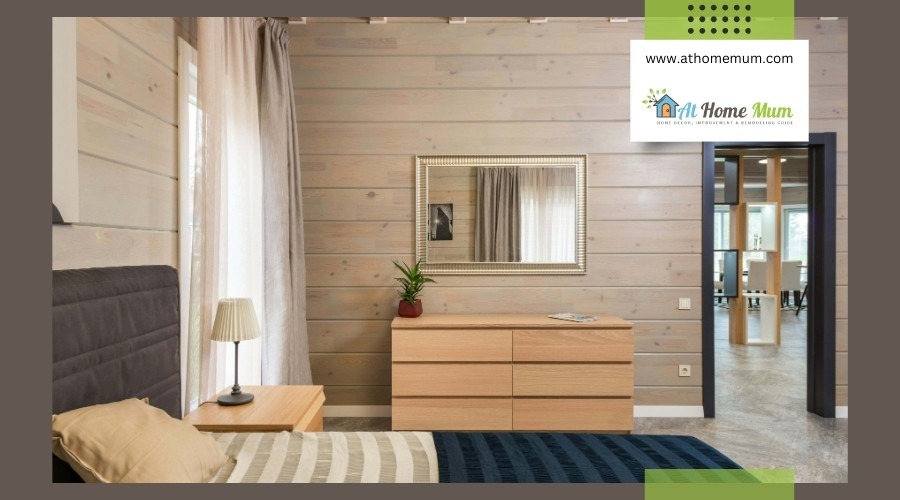
The size of the mirror can often have a significant impact on the aesthetics of a particular space of your home. Although it may seem great to buy large mirrors for relatively big areas like dining rooms and living rooms, you may realize later on that a smaller mirror can be more beneficial in terms of saving space and improving the looks of the room.
So, for this article, we will guide you in selecting the perfect mirror size for specific spaces of your home so that you can buy mirrors that are not only functional but also beneficial in the spaces' style. Here are the tops for finding the perfect mirror size for your space.
How Important is the Size of the Mirror for Your Space?
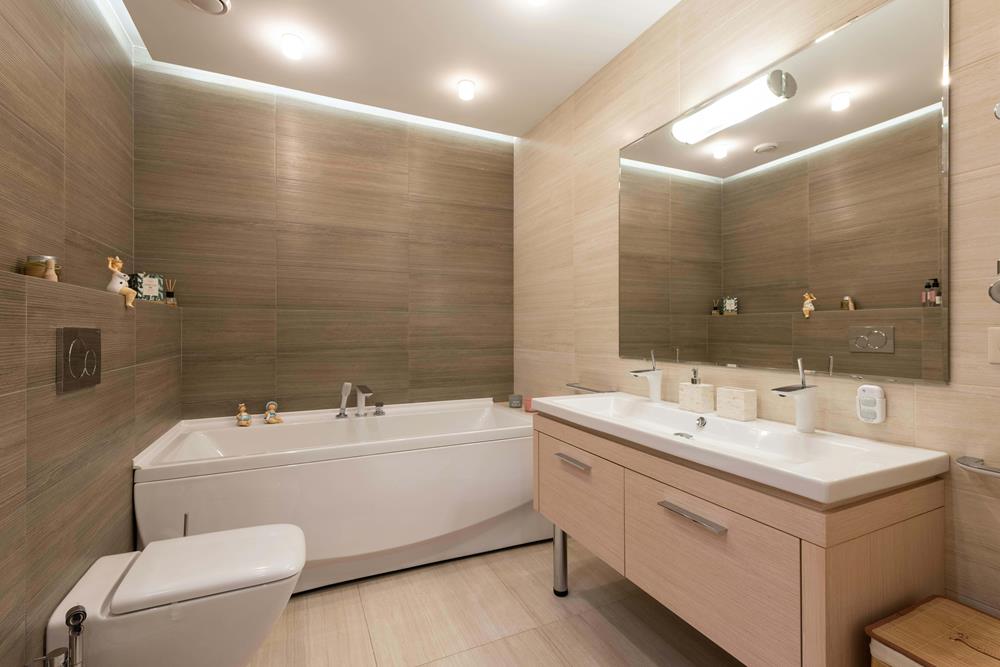
The size of the mirror can affect multiple aspects of the space where you will be putting it. Here are the main factors to consider:
- Room Size: The size of the mirror should complement the room. A small mirror in a large room may feel underwhelming, while an oversized one in a tiny space might dominate the area.
- Purpose: Think about what you want the mirror to do. A larger mirror is great for reflecting light and making a room feel brighter, while a smaller one works well for decorative or focused uses.
- Placement: The position affects how large the mirror appears. A long mirror hung vertically elongates the room, while a horizontal one widens the visual space.
- Style and Proportions: The frame and shape should match the overall décor. Oversized mirrors often work well in minimalist designs, while ornate frames suit more classic interiors.
- Light Reflection: Bigger mirrors can amplify natural or artificial light, which is helpful in darker spaces or areas with limited windows.
- Practicality: Think about who will use it. A full-length mirror is better for dressing areas, while a smaller one may work fine in hallways or above furniture.
Tips for Choosing the Best Mirror Size for a Space
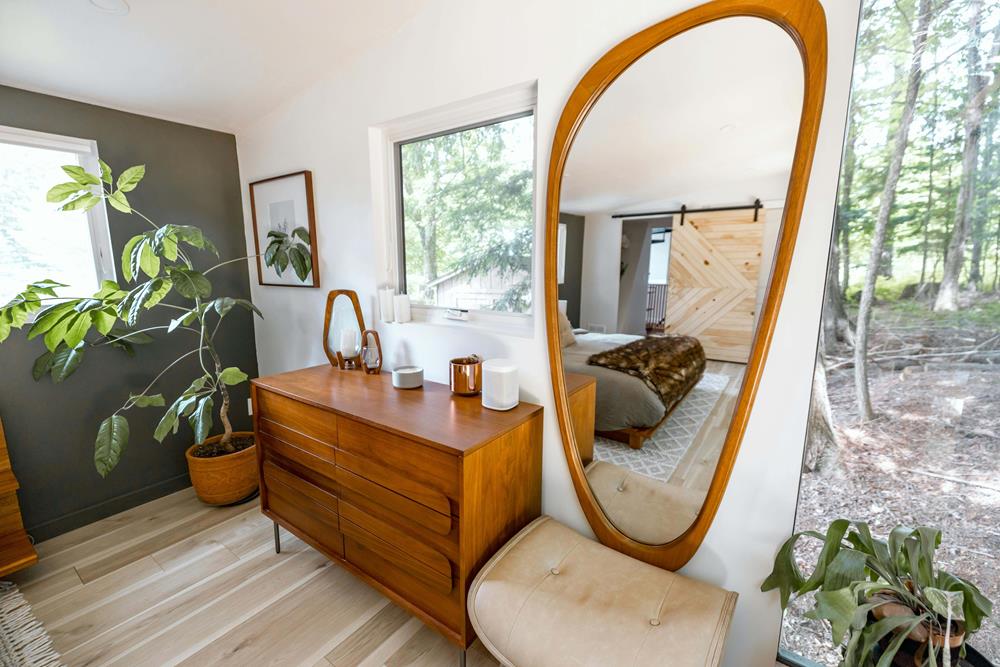
With so many mirror sizes to choose from, you may find it overwhelming to pick the ones that are suitable for different spaces of your home. To help you find the best ones, here are several helpful tips.
Match the Mirror to the Wall Space
The mirror should fit the size of the wall it's going on. For smaller walls, choose a mirror that doesn't feel overwhelming. Larger walls can handle bigger or more dramatic designs. The goal is to strike a balance so the mirror doesn't feel lost or overpower the space.
Think about the spacing around the mirror as well. Leave enough room between the mirror and nearby furniture or accents to create a sense of harmony. A mirror that is too close to other items may feel cramped, while one that's too small for the wall might feel out of place.
Consider the Purpose of the Mirror
Decide what you need the mirror for before choosing a size. For dressing areas, full-length mirrors work best, giving a clear view from head to toe. In living rooms or hallways, smaller decorative mirrors might suit the space better.
If you want the mirror to reflect light or make the room feel larger, choose a size that enhances those effects. A wide or tall mirror in the right spot can brighten the room by reflecting natural or artificial light.
Think About the Room's Proportions
The mirror should be proportional to the furniture or objects around it. A mirror above a console table, for example, should be narrower than the table. This creates a balanced look that feels intentional.
Avoid mirrors that are too large or small compared to the surrounding elements. They might draw attention in a way that distracts from the rest of the space.
Test Different Heights and Positions
The height and placement of the mirror are just as important as its size. For functional mirrors like those in bathrooms, place them at a height that is comfortable for people who will use them. In decorative settings, focus on aligning the mirror with the visual center of the wall.
Experiment with positioning before you commit. Lean the mirror against the wall or hold it up to see how it looks. This helps you determine if the size and placement feel right in the space.
How to Properly Place Mirrors in a Space
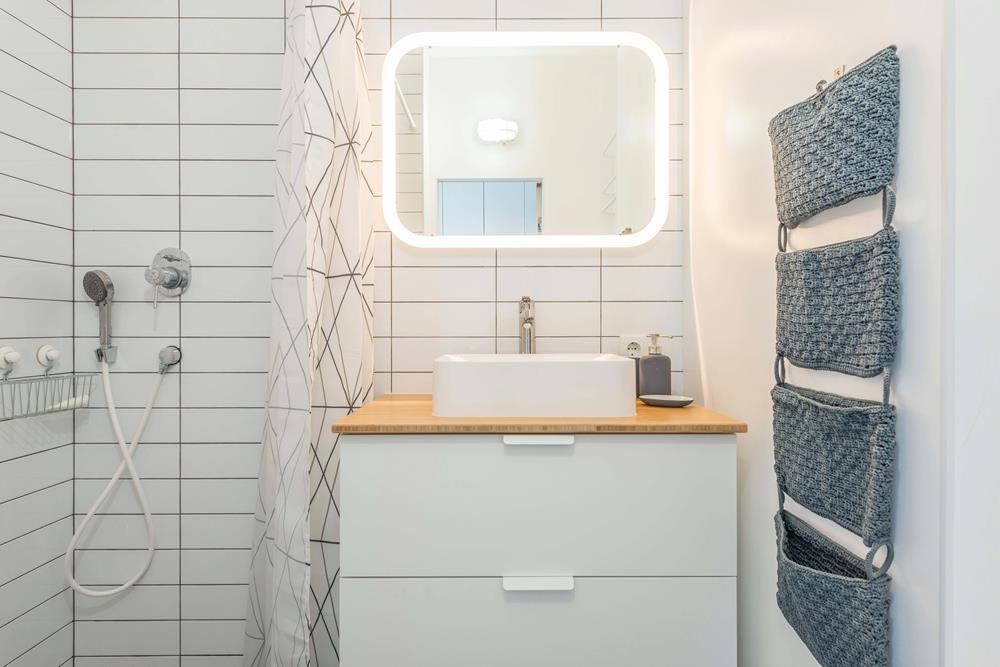
After you have bought a mirror for a space in your home, then you should decide where actually to place it. Thoughtful positioning helps highlight the best features of the space and improves lighting or flow. Here are some tips for placing mirrors effectively.
Place Mirrors to Reflect Light
Mirrors work well near windows or light sources. They reflect natural light during the day and brighten spaces with artificial lighting at night. Positioning a mirror opposite a window spreads light across the room, making it feel more open and inviting.
Avoid placing mirrors where they reflect harsh or direct light that could create glare. Focus on angles that enhance the room's brightness without overwhelming it.
Use Mirrors to Highlight Focal Points
Position mirrors where they reflect something attractive. This could be a piece of art, a chandelier, or an outdoor view. The reflection doubles the visual impact of these features, giving them more presence in the room.
Avoid placing mirrors where they reflect clutter or areas you want to downplay. The mirror should enhance the best parts of your space, not draw attention to its flaws.
Hang Mirrors at the Right Height
A mirror should be hung at a height that aligns with its purpose. In living spaces, mirrors should generally be centered at eye level. For functional mirrors, like those in bathrooms, make sure they are positioned for practical use.
Avoid placing mirrors too high or too low on the wall. The right height allows the mirror to feel balanced within the room and serves its intended purpose.
Consider the Shape and Orientation
Choose the mirror's orientation based on what you want to achieve. Vertical mirrors add height to a room, while horizontal ones create a sense of width. The shape should complement the furniture and other elements in the space.
Avoid mismatched proportions that could make the mirror feel out of place. Its shape and orientation should align with the room's layout and style.
Conclusion
Finding the right mirror size is about understanding the needs of your space and how the mirror will function within it. Take the time to consider the wall size, purpose, and placement before deciding. By focusing on balance and practicality, you'll choose a mirror that can truly enhance the look of the space.