Explore Unique Mirror Shapes for Different Rooms
There are different shapes of mirrors available in the market, and while you are free to place them anywhere at home, there are certain shapes that are more suitable for specific rooms or areas of the house.
Choosing the right shape for the right room can completely elevate your interior design. This article will look at how different mirror shapes suit different spaces and how they can enhance your home.
The Role of Mirror Shapes in Interior Design
Mirror shapes are an essential element in interior design. They offer practicality while bringing style and function to every space. Here are the important roles mirror shapes play in enhancing a room:
- Adding Personality: Unique shapes give rooms character and set the tone for the overall design.
- Creating Balance: Mirrors help balance the visual weight of furniture and decor, especially in asymmetrical spaces.
- Enhancing Light and Space: Reflective surfaces brighten a room and create the illusion of more space, especially in smaller areas.
- Serving as Statement Pieces: Bold or unusual shapes become focal points and conversation starters in any room.
- Complementing Existing Design: Mirror shapes can echo architectural features or blend seamlessly with the room's style.
- Improving Functionality: Mirrors provide practical use while enhancing the aesthetics of a space through thoughtful design.
Organic Shapes for Living Rooms
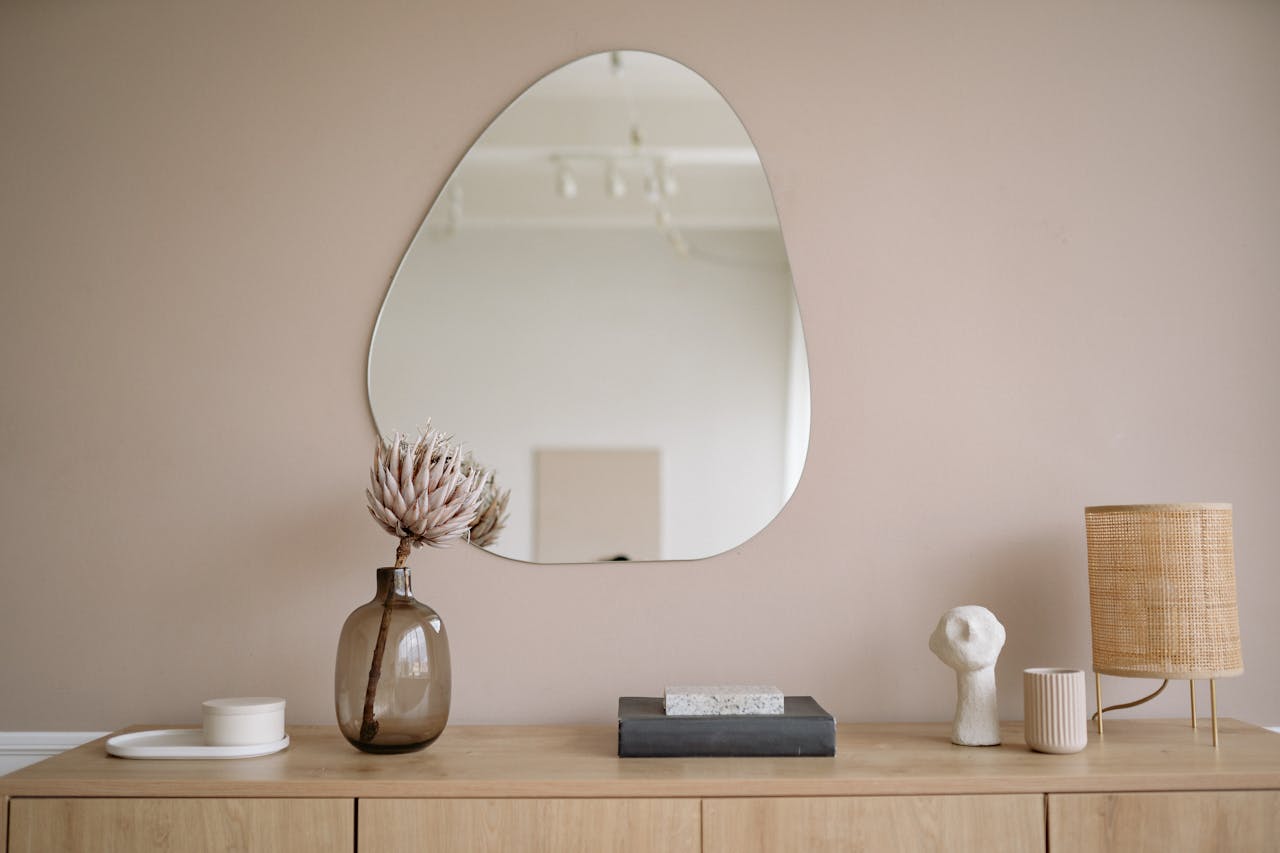
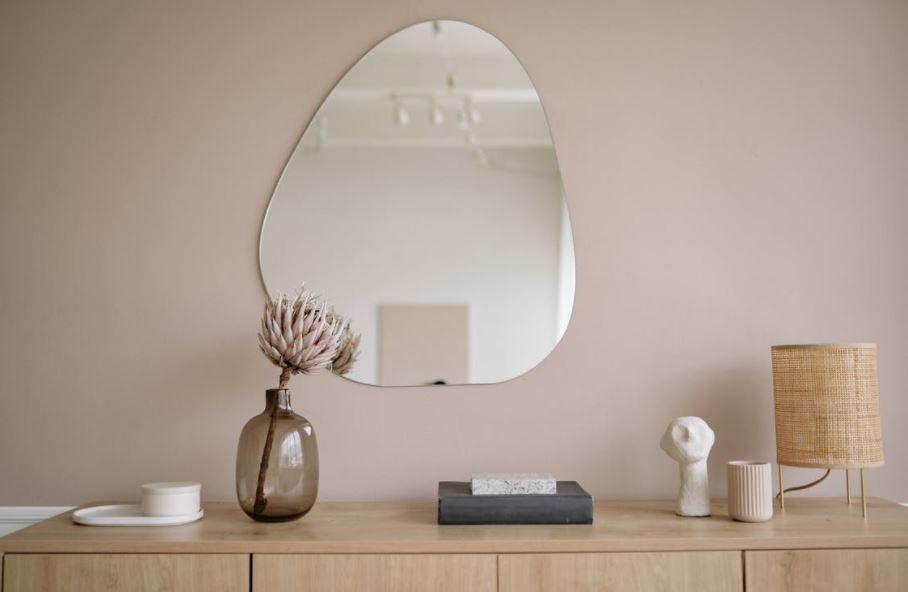
Organic-shaped mirrors bring a sense of flow and softness to living rooms. Their curved lines and irregular designs create a natural contrast to the straight edges of furniture and walls. These shapes often resemble forms found in nature, like ripples or stones, which add a relaxed and inviting atmosphere to the space.
These mirrors work well as statement pieces above sofas, mantels, or consoles. Their fluid designs draw attention without overwhelming the room's other elements. Placed strategically, they reflect light in unique ways and brighten the area while emphasizing its openness.
Geometric Designs for Bedrooms
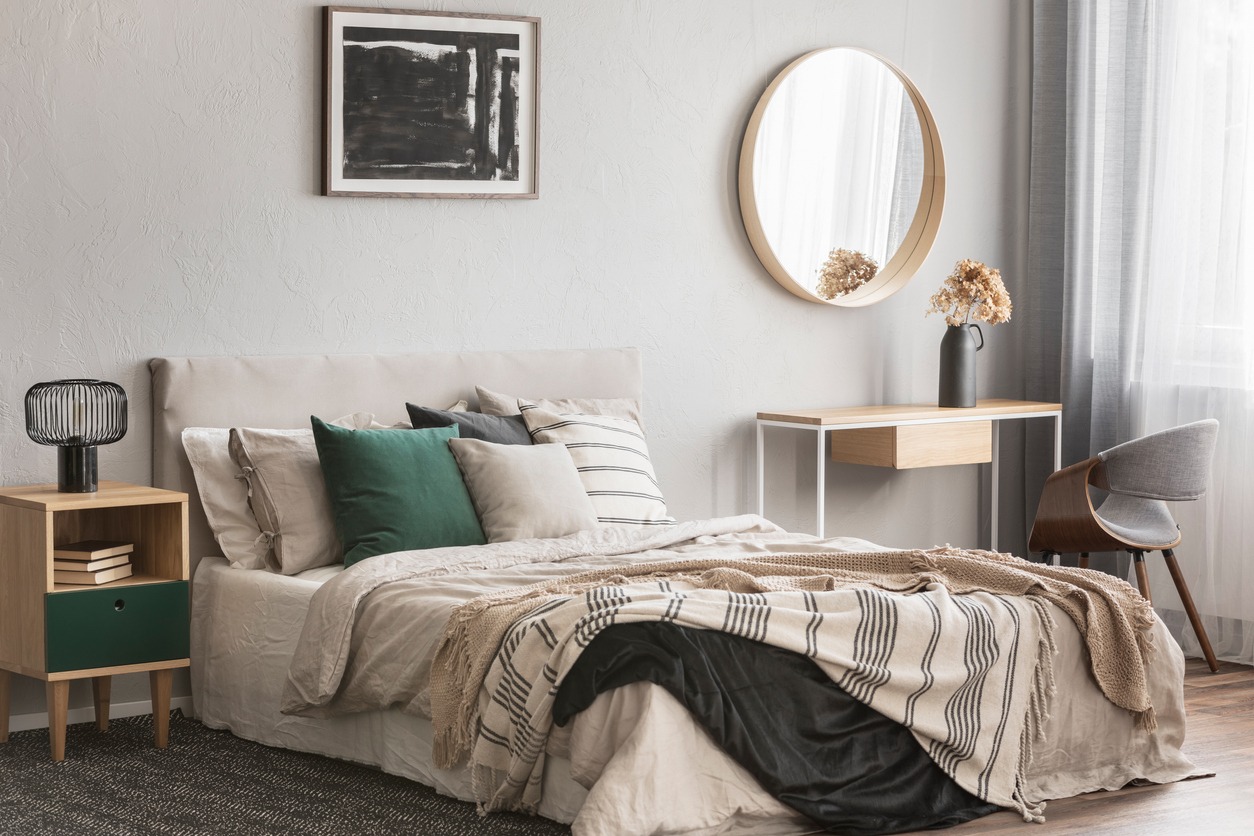
Geometric mirror designs can provide structure and modernity to bedrooms. Shapes like circles, hexagons, and rectangles create a sense of order and balance in personal spaces. These designs work well with minimalist or contemporary decor.
Positioning is important when using geometric mirrors in bedrooms. A round mirror above a dresser softens the look while maintaining a sleek aesthetic. Hexagonal or angular designs can serve as wall accents, and they can create a dynamic visual without overwhelming the space.
Oversized Mirrors for Dining Areas
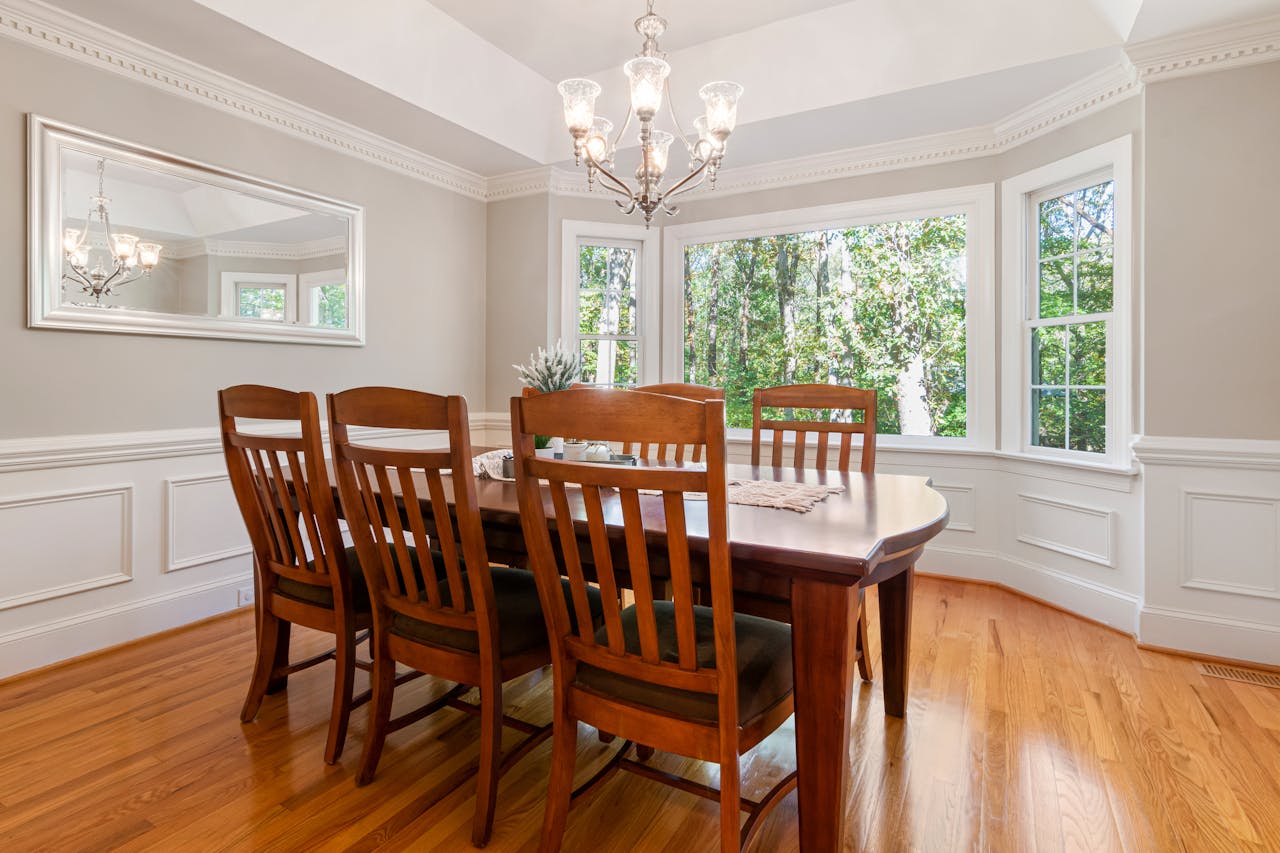
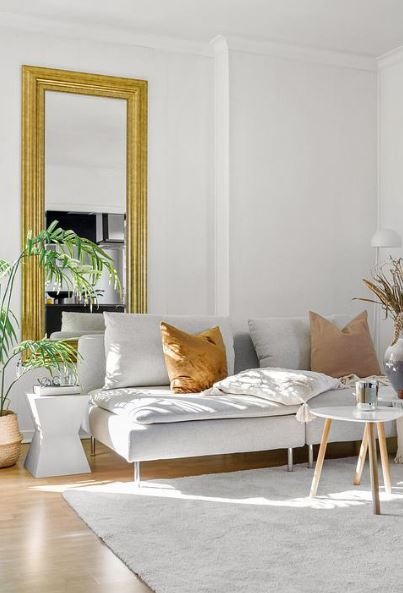
Oversized mirrors are a striking addition to dining areas. They create an open and inviting atmosphere by reflecting light and adding depth to the space. Large rectangular or oval mirrors positioned on a main wall can make the room feel more spacious and elegant. They also help highlight other design elements, such as a beautiful dining table or pendant lighting.
These mirrors work well as focal points, drawing attention without overpowering the room's decor. A frame that complements the furniture adds to the cohesive look of the space. Placing an oversized mirror where it captures natural or artificial light enhances its effect.
Minimalist Mirrors for Bathrooms
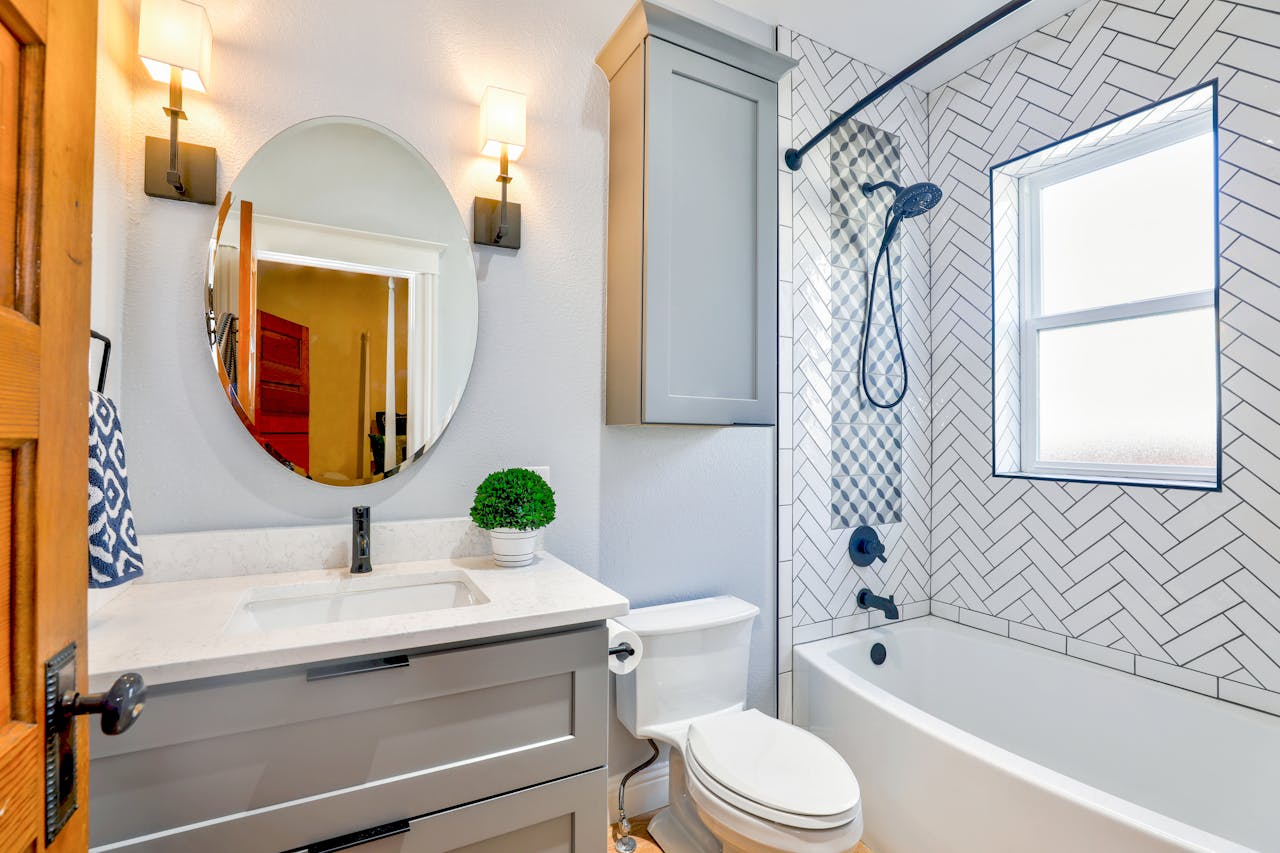
Minimalist mirrors are simple and elegant, which makes them perfect bathrooms. Clean lines and understated designs keep the focus on functionality while adding a modern touch. Circular and rectangular shapes are popular choices, while frameless mirrors or those with slim metal borders work especially well in maintaining a sleek and uncluttered look.
Choosing a size of mirror that fits the proportions of the bathroom wall ensures a balanced appearance. Minimalist mirrors are not only practical but also elevate the bathroom’s style with their timeless and straightforward designs.
Tips for Choosing the Right Mirror Shape
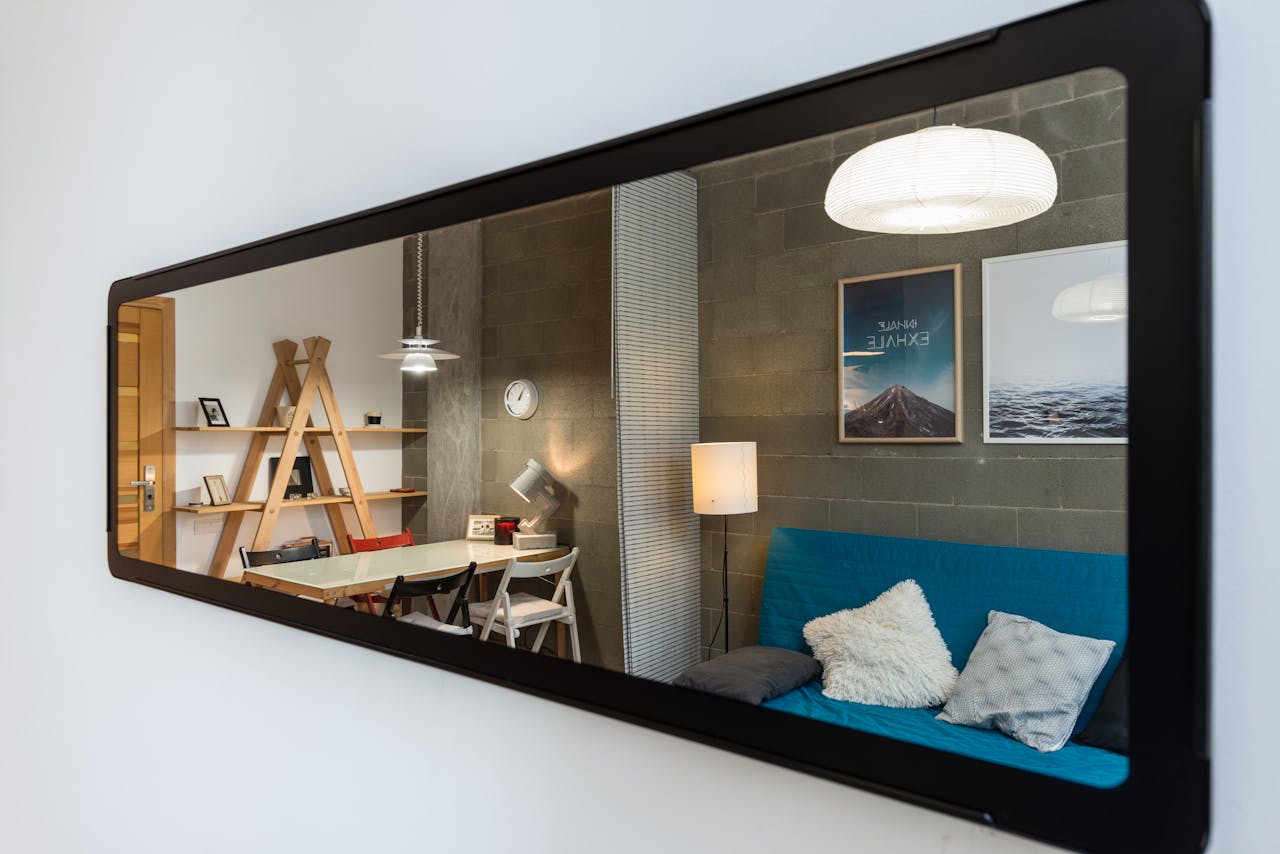
We have provided all the best shapes for specific rooms or areas of your home, but it is still up to you what mirror shapes would look best for bedrooms, living rooms, and others. Choosing the right shape requires thoughtful consideration to match the space and achieve the desired effect. Here are the tips to guide your decision.
Match the Shape to the Room’s Style
The shape of a mirror should complement the overall style of the room. In modern spaces, geometric shapes like squares or hexagons enhance the clean lines and structured design. Organic shapes, with their curves and asymmetry, suit bohemian or relaxed interiors by adding a sense of flow.
For more traditional spaces, consider oval or rectangular mirrors with elegant frames. These shapes maintain the timeless appeal of classic interiors. On the other hand, for a bold and eclectic vibe, experiment with unconventional or abstract shapes to make the mirror stand out as a design feature.
Consider the Size and Placement
The size and placement of a mirror affect how the shape will interact with the room. Larger mirrors with simple shapes work well in spaces that need more light or depth, such as dining areas or living rooms. Smaller, uniquely shaped mirrors add interest to walls without overwhelming the space. Consider the available wall space and the function of the mirror before deciding on the shape.
Placing a mirror at eye level or slightly above key furniture pieces, like consoles or vanities, helps the shape blend naturally into the room’s layout. For taller walls, elongated mirrors balance the height, while round or square designs work better in compact areas.
Balance Creativity with Practicality
While creativity is important in choosing a mirror shape, practicality should not be overlooked. A visually interesting shape might not work if it limits functionality, such as providing an incomplete view in bathrooms or entryways.
Mirrors in high-traffic areas like hallways or bathrooms benefit from simpler shapes that are easy to clean and maintain. In decorative spaces, like living rooms or bedrooms, you can prioritize design over utility.
Conclusion
Choosing the right mirror shape allows you to balance style, function, and personal taste in your home. Each room in your home benefits from a thoughtful approach to mirror design. By selecting mirrors that complement the purpose and style of each space, you create a home that feels cohesive and inviting.